Granite Tile Flooring For High-Traffic Areas: Floors, Countertops, Kitchens & Commercial Spaces
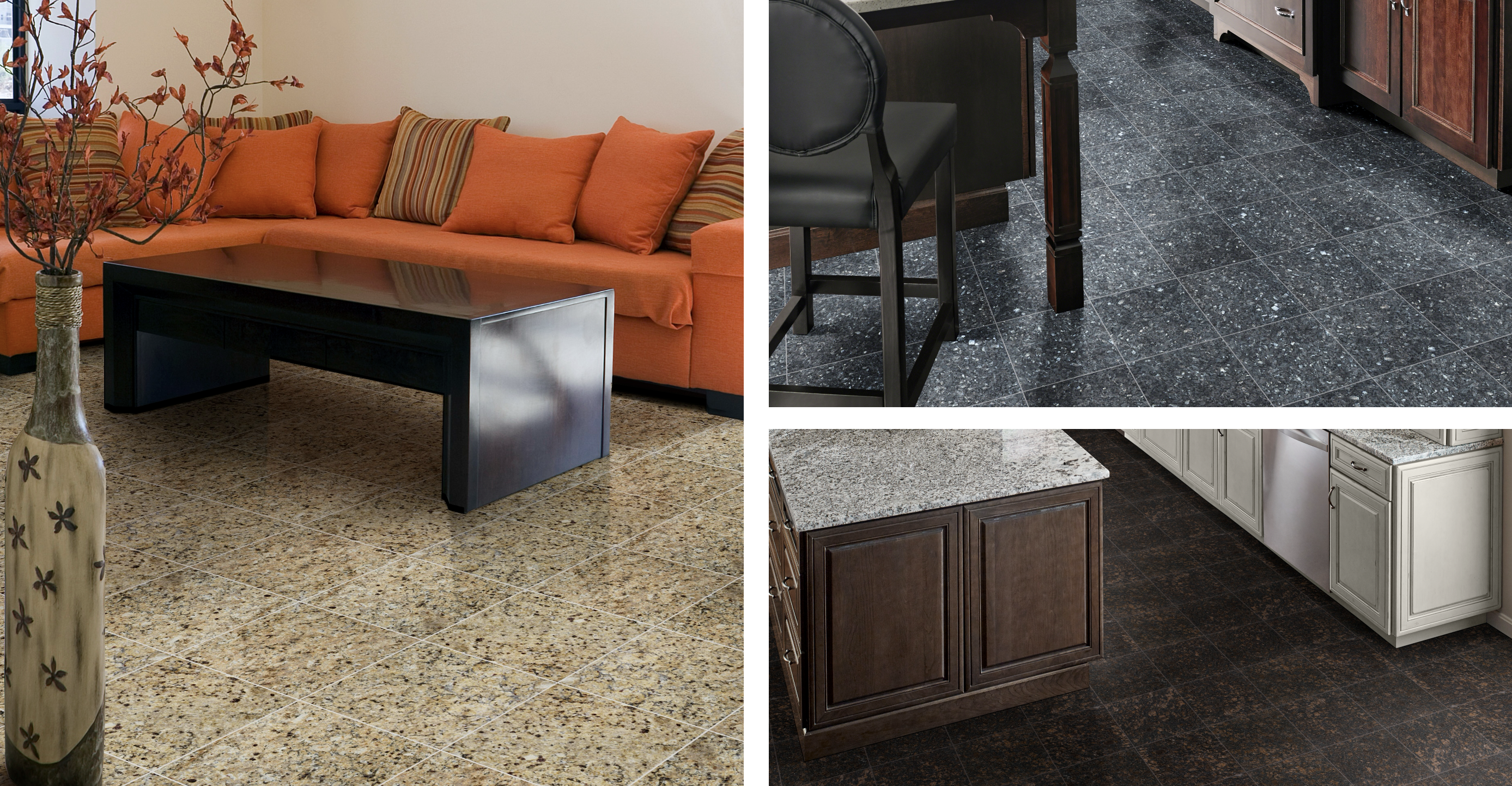
Granite tile flooring for high-traffic areas has long been a popular flooring choice because of its natural look and durability. Its hardness, low water absorption, finish-specific DCOF ratings, and heat resistance make it a perfect option for busy spaces like kitchens. Flamed and honed finishes can provide better traction than polished granite, while regular sealing helps protect the stone from stains. The right tile size and finish can also make a big difference in how well the floor works for your space.
For the best results, choose granite tile based on the specific conditions of the room.
What Makes Granite Tile Suitable for Busy Spaces.
There are some aspects that make it well suited for heavy use in residential and commercial spaces.
These include:
- Material Hardness: Mohs 6–7; it is harder than marble at 3–4 and ceramic at 5–6
- Water Absorption: It is less than 0.4% maximum value under ASTM C97 testing
- Abrasion Resistance: Granite tile abrasion resistance exceeds standard baseline values under ASTM C241 evaluation
- Minimum Thickness: 3/8" for residential floors and 1/2" for commercial installations
These performance characteristics help granite tile flooring stand up to everyday wear and moisture. For flooring applications, MSI offers granite tile in multiple sizes and thicknesses, giving designers and homeowners flexibility to select a format suited to the demands of the space.
Which Granite Tile Finish Is Right for High-Traffic Areas? DCOF, Honed, Polished, & Flamed
The finish changes more than the look of granite. It also affects how the surface feels underfoot and how it performs when exposed to moisture.
Honed Granite Tile: Balanced Safety for Interior Commercial and Residential Spaces
Honed granite tile has a smooth, matte appearance that works well in offices, retail spaces, hotel interiors, and other areas where a polished look feels too slippery or formal. Its understated finish also makes it easier to incorporate into residential and commercial designs. Keep in mind that matte surfaces can show water marks, fingerprints, or oily residue, so heavily used spaces still need regular cleaning.
Polished Granite Tile: Where to Use It (And Where Not to)
Polished granite tile offers the high-gloss finish many people associate with natural stone, but it isn't the first choice for wet, high foot traffic floors. Water or other liquids can reduce traction on a smooth polished surface. It is better suited to applications such as accent walls, fireplace surrounds, backsplashes, and decorative areas where slip resistance underfoot isn't a concern. For wet public spaces, choose a finish and product that meet the applicable slip-resistance requirements.
Flamed Granite Tile: Best Finish for Outdoor Floors
Flamed granite tile has a textured surface created through heat treatment, giving it more natural traction than a smooth polished finish. It can be a good fit for exterior walkways, commercial entryways, pool decks, patios, and other areas where water may be present. Because slip resistance depends on the specific product and installation, always check the manufacturer's test data and applicable project requirements before specifying a finish.
Choosing the right finish is only part of the equation. Now, let’s look at how granite tile performs across different busy spaces and everyday demands.
Granite Tile for Kitchen Floors and Countertops
A kitchen asks a lot from its surfaces. There’s the constant foot traffic, the occasional dropped pan, plenty of water and food spills, and cleaning products used on a daily basis. For that kind of environment, the floors and countertops need to perform at their best while looking their best.
Granite Tile for Commercial Kitchens
If a family kitchen is busy, a commercial cooking facility takes that workload to another level. These spaces operate for hours at a time, often across multiple shifts, with frequent exposure to heat, water, food spills, cleaning products, and heavy equipment. Granite tile can be a practical choice for these demanding environments when the material is properly installed and sealed.
- Handles everyday wear: Granite’s natural hardness and low water absorption can help it hold up to the constant activity of a busy cooking environment.
- Choose the finish carefully: In areas where floors may get wet, a textured finish such as flamed granite can provide better traction than a smooth, polished surface.
- Use the right sealer: For food-preparation areas, follow the manufacturer’s recommendations and choose a sealer approved for the intended application, especially where the surface may come into contact with food.
But commercial spaces aren't the only places where granite floor tiles work overtime. Granite tile countertops and islands in family kitchens also need to withstand daily use.
Granite Tile for Busy Family Kitchens and Islands
Think about everything a kitchen island can handle in a single day: meal prep, homework, snacks, casual meals, grocery bags, and the occasional dropped piece of cookware. For homeowners considering granite tile kitchen countertops or islands, the practical question isn't just how the stone looks. It's how the layout will work in everyday life while not compromising on the personal touch.
A few details can make a big difference:
- Plan for seams: Unlike a full slab, a tile countertop has visible seams and grout lines. That’s an important part of the look and layout to consider before installation.
- Consider larger tile sizes: Large-format granite floor tile such as 24x24 inch tile can reduce the number of joints across the surface while creating a cleaner, more streamlined appearance.
- Choose color with daily use in mind: Darker granite can help make minor surface marks less noticeable, which may be useful in heavily used places.
- Stay on top of sealing: Regular sealing can help protect the surface from stains, but the right maintenance schedule depends on the specific stone, finish, sealer, and level of use. Follow the manufacturer’s care recommendations rather than relying on a one-size-fits-all schedule.
Inside, granite tile has to handle daily wear and tear with constant foot traffic. Outdoors, it faces those same demands along with the changing weather.
Granite Tile for Outdoor Areas
Outdoor public areas have their own set of challenges. Rain, temperature swings, dirt, and constant foot traffic can all affect how a surface performs over time. That's why choosing the right stone, finish, color, and installation method matters.
Material Performance and Slip Resistance
For public spaces like patios, civic entryways, outside kitchens, and pool surrounds, finish selection is especially important. Flamed granite tile provides a textured surface that can offer better traction in areas that may get wet. Polished finishes are not suited to wet exterior walking areas. Check the product’s DCOF rating for granite tile floors for safety.
Granite is a slip-resistant natural stone tile, but that is only one part of the outdoor equation. The tile also has to hold up when the weather stops cooperating.
Environmental Durability and Sizing
For granite countertops for outdoor facilities, the material can provide a durable surface for sunlight, rain, temperature changes, food spills, and regular cleaning. The specific stone, setup, and local climate should still be considered before installing.
Larger formats, such as 18x18 or 24x24 inches, can reduce the number of grout joints and simplify the overall layout. In freeze-thaw climates, proper drainage and moisture management are especially important. Sealing needs vary by stone and product, so always follow the manufacturer's care recommendations.
Exterior spaces put granite through a lot. But plenty of heavy-use applications stay indoors, like office break rooms.
Granite Tile for Office Break Rooms and Light Commercial Spaces
Office break rooms may seem fairly low-key, but it’s important to maintain granite countertops. They deal with plenty of daily wear, including coffee spills, food prep, microwave heat, and frequent cleaning.
For office break rooms, honed granite tile offers a practical surface with a subtle, professional look. Its matte finish is also easy to wipe down for everyday cleanup. For facility managers, durability is only part of the equation. Maintenance, repairs, and replacement costs also affect the long-term value of a commercial surface. Granite tile can provide lasting performance, but its service life depends on the usage and maintenance.
Granite Tile vs Porcelain Tile for High-Traffic Areas
When you're choosing flooring for a heavily used space, both granite and porcelain can be strong performers. But which one is the best? The better fit comes down to what matters most, like consistency, maintenance, natural variation, and overall look.
| Spec | Granite Tile | Porcelain Tile |
|---|---|---|
| Mohs Hardness | 6–7 (natural variation) | 6–7 (factory-consistent) |
| Porosity | < 0.4% (natural, varies by color) | < 0.1% (factory-uniform) |
| DCOF Control | Finish-dependent | Factory-glazed DCOF is standardized |
| Visual Uniqueness | Natural, no two slabs identical | Manufactured pattern, identical pieces |
| Cost per SF | Higher | Lower |
| Lifespan | 50+ years | 25–30 years |
For a closer look at how natural stone performs under heavy use, see our guide to granite tile flooring.
Granite Tile Pros and Cons for Busy Spaces
There’s a lot to like about granite tile flooring for high-traffic areas, but it isn't the right answer for every project. Its hardness, variation, and durability are major advantages, while weight, cost, sealing, and finish selection deserve consideration before a final decision.
Pros
- Mohs hardness of 6–7 provides good resistance to everyday scratching and wear.
- Less than 0.4% water absorption can help limit moisture penetration and staining.
- Natural patterning gives each tile its own variation rather than a repeated manufactured print.
- Strong heat resistance makes granite useful around areas exposed to high temperatures.
- Long service life can make granite a practical choice for projects designed for decades of use.
- The appearance of natural stone tile for commercial spaces can add a premium feel.
Cons
- Polished finishes can become slippery when wet, making finish selection especially important for floors.
- Sealing may be needed to help maintain stain resistance, depending on the stone and sealer.
- Granite is heavier than many ceramic products, which can affect handling.
- Material and installation costs can be higher than porcelain or other manufactured tile options.
- Tile countertops have grout lines, unlike a continuous slab surface, which affects both appearance and cleaning.
Quick-Reference Chart of Granite Tile vs. Other Stones
| Stone Type | Mohs Hardness | Porosity Rating | Best Finish for Traffic | Sealing Frequency |
|---|---|---|---|---|
| Granite Tile | 6–7 Scale | < 0.4% (Low) | Flamed (Ext) / Honed (Int) | 6–12 Months |
| Porcelain Tile | 6–7 Scale | < 0.1% (Very Low) | Matte / Textured Glaze | Never Required |
| Quartzite | 7–8 Scale | < 0.5% (Low) | Honed / Textured | 12 Months |
| Marble | 3–4 Scale | < 2.0% (Moderate) | Honed Only (Avoid Polished) | 3–6 Months |
| Travertine | 3–4 Scale | < 5.0% (High) | Tumbled / Filled & Honed | 3–6 Months |
This granite tile finish comparison makes it clear that granite tile with a flamed or honed finish can be a strong option for busy floors. The granite tile installation and final look should always be selected based on the specific space and applicable ANSI and ADA requirements.
Granite Tile Cleaning and Maintenance
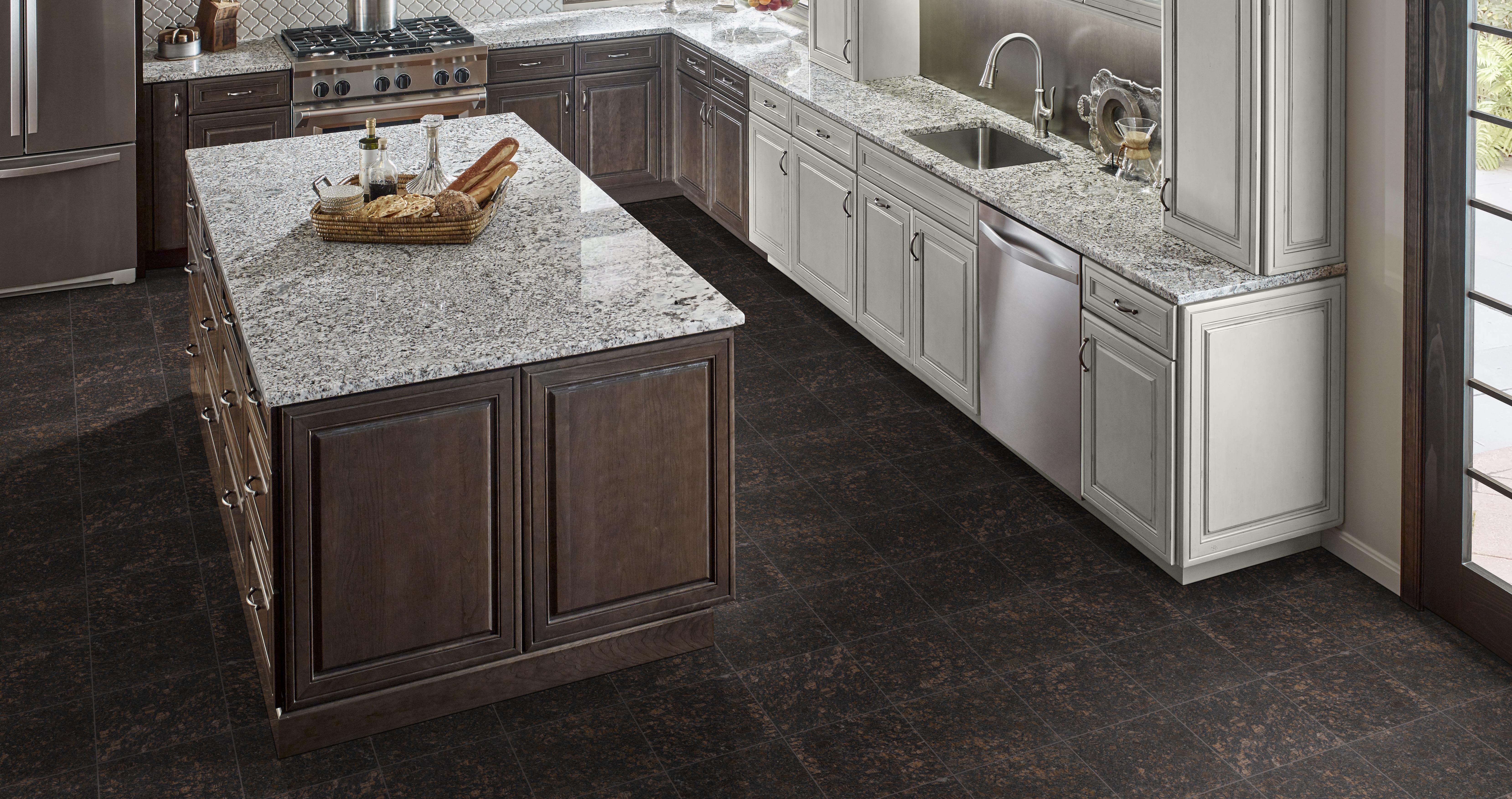
Granite tile is relatively easy to care for, but regular maintenance and cleaning help keep floors looking their best.
- Clean regularly: Sweep or dust-mop to remove dirt and grit, then damp-mop with a pH-neutral natural stone cleaner.
- Avoid harsh cleaners: Skip acidic or abrasive products that can damage the finish or sealer.
- Check the sealer: Follow the manufacturer’s recommendations and use a simple water-bead test to see when resealing may be needed. The seal is still protected if it’s staying on the surface. If not, it’s time to consider resealing.
With the basics covered, it’s time to look at the design possibilities that can make granite tile work beautifully in busy spaces.
Granite Floor Tile Design Ideas for Busy Places
Granite tile flooring for high-traffic areas should work both visually and practically. In such spaces, tile size, grout layout, color, and finish can all affect how the final floor looks and how easy it is to maintain. A granite tile 24x24 layout can reduce the number of grout joints compared with smaller tiles, creating a cleaner look across large floors and simplifying routine maintenance.
For commercial spaces, a running-bond pattern offers a familiar, structured layout. In residential entryways, herringbone can add more visual interest, while a diagonal layout can help narrow corridors feel more open.
Color is worth considering, too. Dark granite can make minor scuffs and everyday traffic marks less noticeable, while salt-and-pepper patterns offer a more forgiving neutral look. For a granite floor design for home, options might include 24x24 Absolute Black in a foyer, 18x18 Colonial White in a busy kitchen, or 24x24 flamed Himalayan Blue for an outdoor dining area.
4 Granite Floor Tile Design Ideas for High-Use Spaces
Let’s take a look at some of the exciting ways this popular and durable granite tile flooring is being installed in designer interiors.
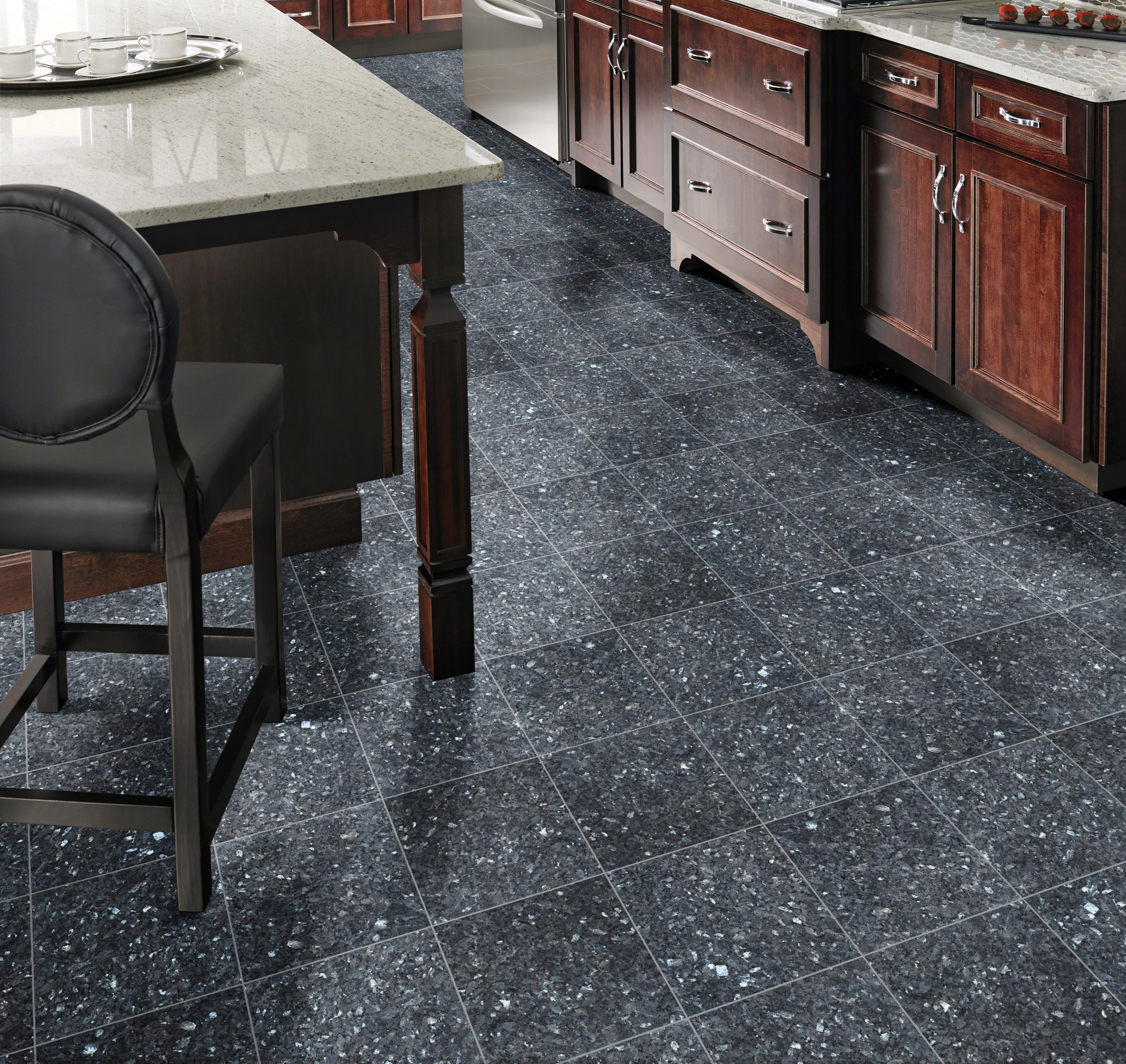
Blue Pearl
Norwegian Blue Pearl Granite is a midnight blue, gray, and beige granite dusted with natural sparkle. The northern night sky with its twinkling stars comes to mind with this beautiful dark stone.
This granite tile comes in a polished finish and is available in 12- or 18-inch squares with a 2- or 3-cm thickness. The deep color grounds this large transitional kitchen and works well with other materials, such as the rich wood cabinets and granite countertops in a lighter greige hue.
Giallo Fantasia
Giallo Fantasia Granite has a cream background and gold, gray, and dark brown flecks. These polished finish tiles are available in 12x12 tiles with a 2- or 3-cm thickness.
Although this granite also pairs beautifully with other granite materials, the more modern look of this compact kitchen was achieved by using the same granite for flooring as for the granite counters. The polished finish of the granite, paired with high-gloss black cabinetry, bounces light to make the small cooking space look bigger and brighter.
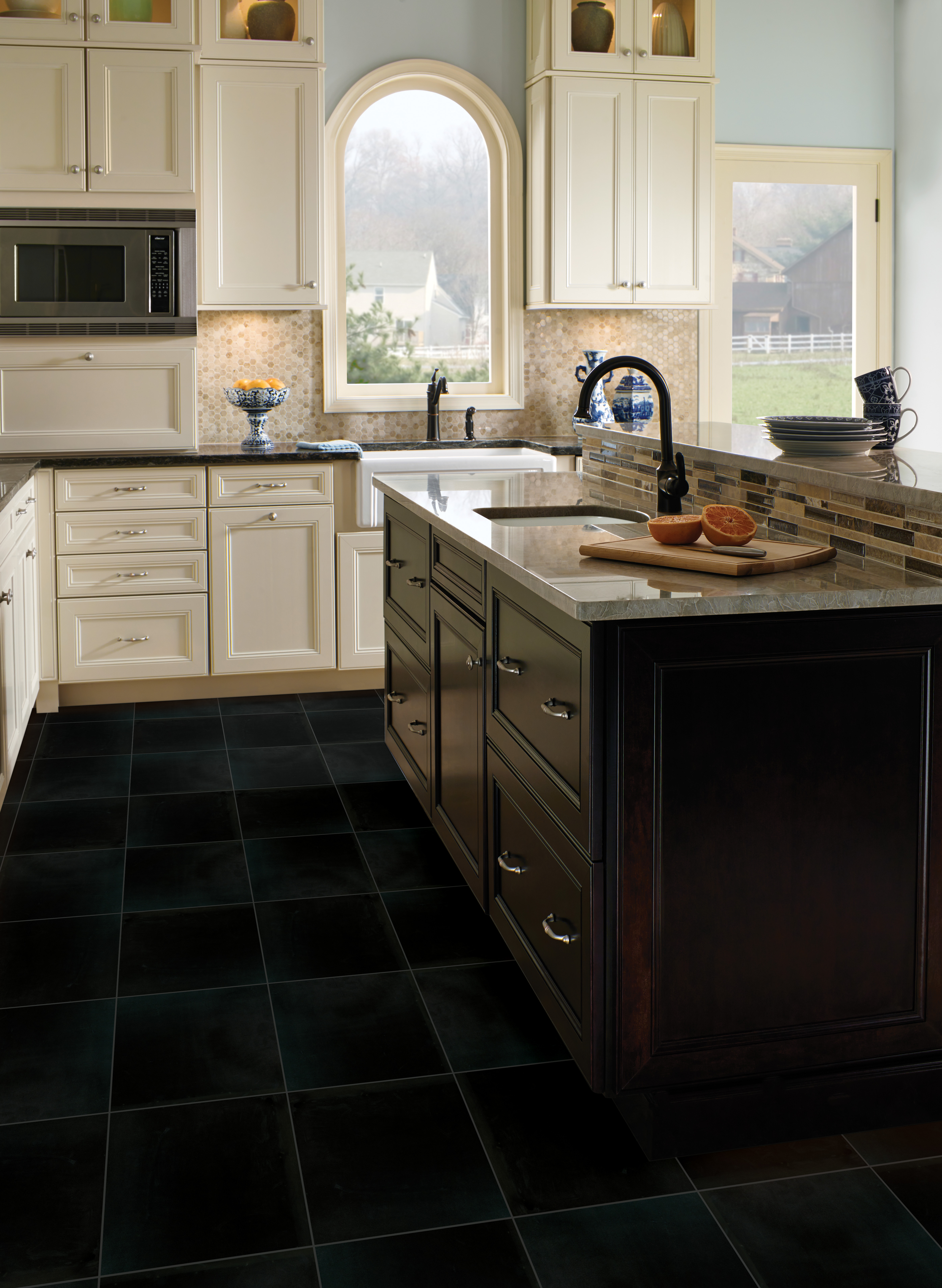
Premium Black
Premium Black Granite is a deep gray and black granite, also with a polished finish. This low-variation natural stone hails from South Africa and is available in 12x12 tiles with a 2- or 3-cm thickness. This lustrous flooring adds glamour to this ultra-modern kitchen, grounding the glossy white cabinetry and countertops. Modern stainless steel accents provide the finishing touch for a high-style contemporary white-on-black design.
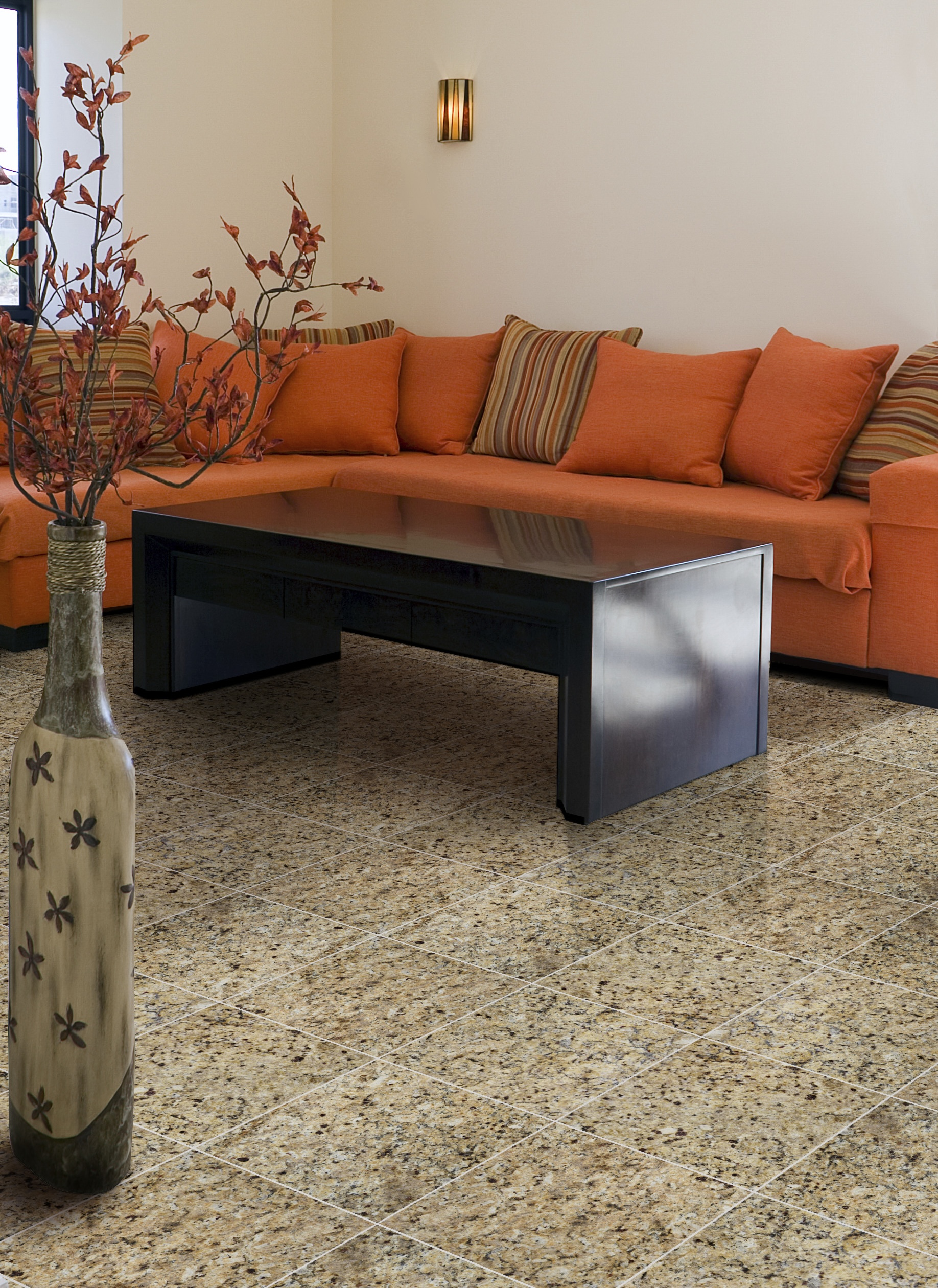
New Venetian Gold
In this traditional foyer, the design is the details. For example, the New Venetian Gold Granite floor featured here is a stunning tan speckled polished stone with low variation. Its pebble-like pattern is unique and timeless. The 2- or 3-inch durable stone tiles look seamless and provide an elegant natural touch to the entryway. The coloring complements the classic design details, such as the white paneling, dark wall color, and ornate crown molding.
Conclusion: Which Granite is the Right One?
Granite tile flooring is a good option for high-traffic areas. For large commercial floors where slip-resistance and durability are a priority, porcelain offers a better deal. Granite tile, on the other hand, brings natural variation and a distinctive look that can be especially appealing in hospitality, executive, and high-end residential spaces. The right choice ultimately depends on the traffic level, finish, installation requirements, and priorities of the specific space.
Still exploring your options? Read our complete guide to granite tile flooring to learn more about its benefits, styles, and best uses.
Frequently Asked Questions
Q1: Is granite tile good for high-traffic areas?
Granite tile can be a durable option for busy areas when the product, finish, and method are appropriate. The only catch is to choose the right one for your space. Choose the flamed or honed finish for the floor according to the requirements. Just make sure not to use polished granite on wet-prone floors. Maintain and seal every 6-12 months or according to the use.
Q2: What is granite floor tile used for in commercial spaces?
Commercial kitchens, hotel lobbies, airport terminals, shopping malls, and office spaces use granite floor tile. Even though a honed finish is the standard choice for interior spaces, a flamed finish suits the requirements of outdoor and entryways.
Q3: Is granite tile good for kitchen countertops?
Yes. Granite tile durability for flooring is the same as granite slab but at a lower cost. The key differences are visible grout lines and the need for epoxy grout in high-use areas. For work islands in busy family countertops, 24x24 tiles minimize grout lines and simplify maintenance.
Q4: Granite tile vs. porcelain tile: which is better for high-traffic floors?
Both granite tile and porcelain tile can handle high foot traffic and both rate 6 to 7 on the Mohs scale. Porcelain tile offers factory-consistent DCOF ratings, making it easier to specify for ADA-compliant commercial floors. On the other hand, granite brings natural variation and a longer-lasting, premium look with better resale value. For premium hospitality and residential spaces, granite with a flamed or honed finish is the preferred specification.
Q5: Is granite tile slippery?
Polished granite tile can be slippery when wet, so it’s not the best choice for wet-prone floors. For high-traffic floors, flamed or honed granite tile is a better option, depending on the space and its requirements. Always check the product’s DCOF test data before using granite tile in wet or outdoor areas.
Q6: What is the best granite tile size for high-traffic floors?
24x24 granite tile is a popular choice for busy floors because larger tiles mean fewer grout lines and easier maintenance. For residential entryways, 18x18 is another practical option. Smaller mosaic tiles can work for design details, but they create more grout lines across a busy floor.
Q7: How often should granite tile floors be sealed in high-traffic areas?
Heavy-use surfaces may need granite tile porosity and sealing scheduled every 6–12 months, but there’s no one schedule that works for every space. Check the stone regularly and follow the sealer manufacturer’s recommendations. A simple water-bead test can also help show when the surface may be ready for resealing.
Q8: Where can I find MSI granite tile for floors and countertops?
MSI offers granite tile in flamed, honed, and polished finishes, with sizes ranging from 12x12 to 24x24 and colors such as Absolute Black, Colonial White, and Himalayan Blue. To find MSI granite tile near me, contact an authorized MSI dealer for samples, product specifications, and project pricing.
 SHARE
 PIN
 TWEET