What Are The Benefits Of Vinyl Plank Flooring? MSI 2026 Guide
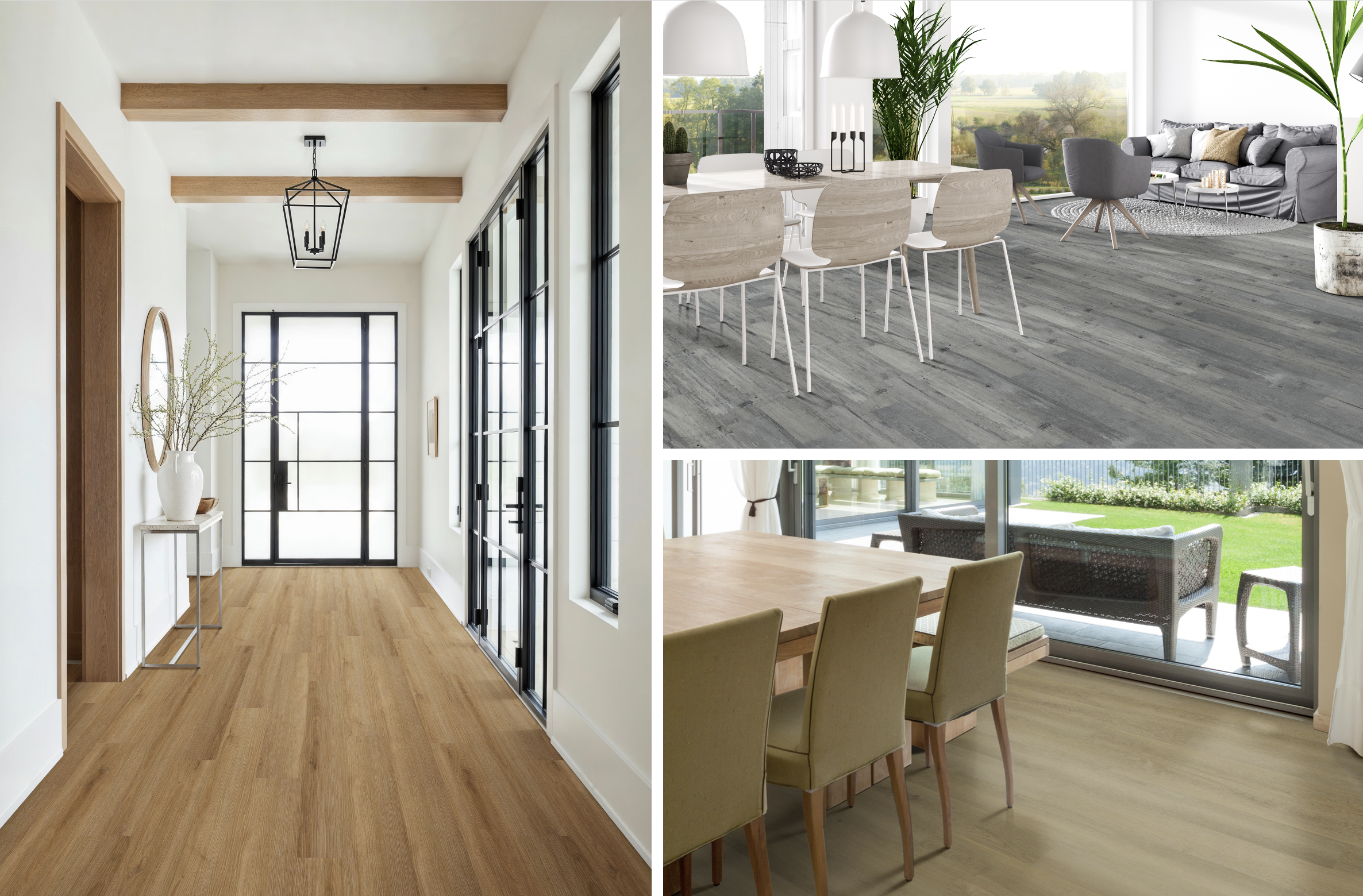
Luxury vinyl plank flooring has become a top-of-the-line flooring option that rivals hardwood and stone in both performance and appearance. By 2026, vinyl plank flooring has become the go-to flooring product for high-end residential and high-demand commercial applications. But is luxury vinyl flooring worth it?
The advantages of vinyl plank flooring include being 100% waterproof, having extreme impact resistance with rigid SPC cores, and having true-to-wood looks thanks to advanced digital printing and embossed textures. Unlike traditional hardwood or laminate, our product has a protective wear layer that resists scratches and scuffs in the most used areas and requires much less long-term maintenance. And it offers more installation flexibility to reduce labor timelines and costs.
Why Vinyl Plank Flooring Is Popular in 2026
Buying Luxury vinyl plank (LVP) flooring is on the rise in 2026 and is quickly becoming the go-to flooring for both residential and commercial spaces. Its unique blend of durability, affordability and style make it a favorite with homeowners, designers and business owners. Vinyl plank flooring is a great choice for areas with a lot of foot traffic and homes with lots of activity because it won’t scratch or dent like a traditional hardwood floor and it won’t be damaged by moisture and everyday wear and tear.
It’s also cost-effective, which is another major driver of its growth. Vinyl flooring trends and patterns are growing that continue to provide the look of quality hardwood at a fraction of the price, saving on material and installation costs. Modern advances in manufacturing technology have made modern LVP more realistic than ever before with authentic wood grain textures natural color variations and wide-plank designs that mimic real hardwood closely.
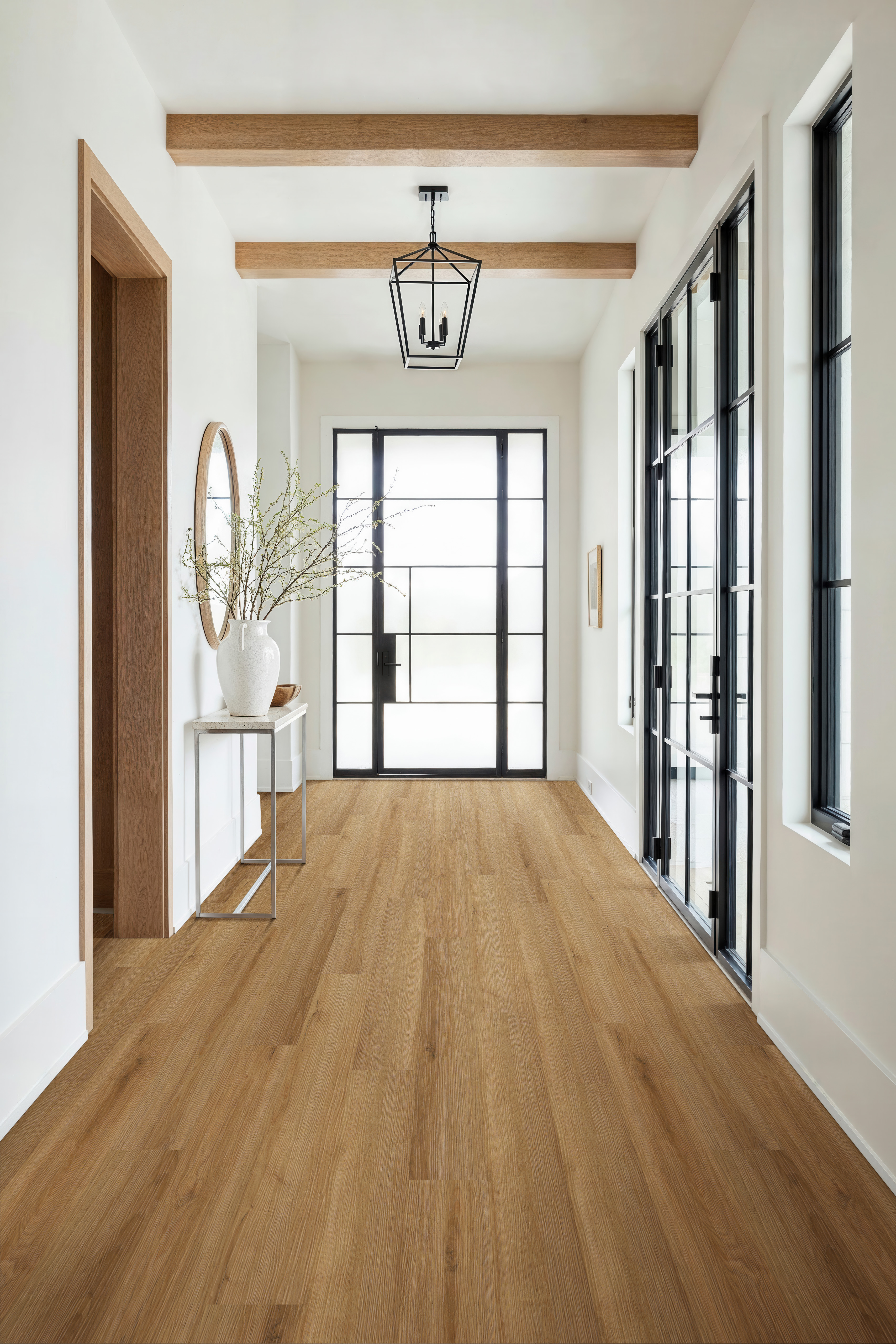
Amber Forrester Luxury Vinyl Plank
100% Moisture Protection: Why Waterproof Vinyl Plank Flooring Is The Ideal Choice For Any Room
Strategic Integration
Waterproof vinyl plank flooring features a rigid Stone Polymer Composite (SPC) core for incredible impact resistance and a 20-mil wear layer with CrystaLux™ technology to guard against everyday wear and tear. Its nonporous surface is structurally sound and moisture resistant, perfect for rooms where traditional materials would fail.
Below-Grade Performance
This waterproof flooring is perfect for high-humidity rooms such as kitchens, bathrooms, and basements because it won’t warp or swell like hardwood or laminate.
Best Areas to Use Vinyl Plank Flooring
Luxury vinyl flooring works just about anywhere. Its greatest strength is its versatility, from residential living rooms to high-volume commercial corridors. Because SPC is so structurally sound, property owners can achieve a cohesive design by creating functional zones such as laundry rooms, retail storefronts and hospitality suites without sacrificing performance. You can even install vinyl planks over hardwood.
Vinyl Plank Flooring in Kitchen and Bathroom
For kitchens and bathrooms, you need materials that can withstand constant humidity and frequent spills. This flooring is water-resistant and inhibits microbial growth as it repels moisture on all layers. Used in “wet zones,” these planks provide long-lasting durability and a surface that is naturally stain-resistant and easy to sanitize.
The material has been designed to resist moisture and to withstand the grease and grime of food preparation. The rigid core provides a “forgiving” surface that is far more comfortable underfoot than ceramic tile to help reduce fatigue from standing for long periods of time.
Lock systems that are seamless prevent water from entering joints and protect the subfloor. This extra protection makes luxury vinyl an easy maintenance bathroom flooring choice, allowing a seamless transition from the bedroom to the vanity area, without large transition strips and a more cohesive, continuous install.
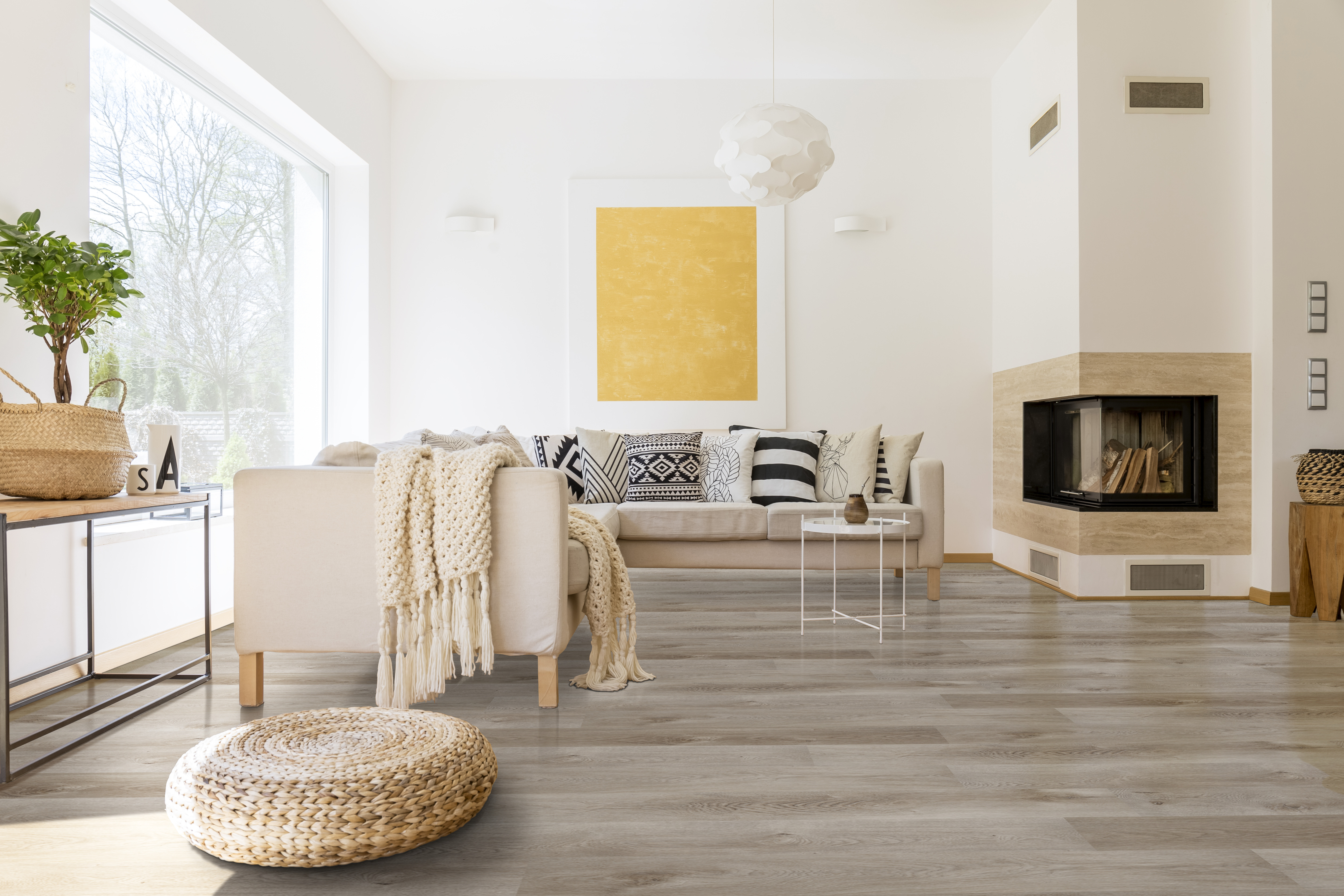
Cyrus® Whitfield Gray® Luxury Vinyl Planks
High Performance Application: Basements, Entrances, & Commercial Areas
There are some environments that need more than “skin deep” protection. The movement of moisture through concrete slabs is a major problem for basements and other below-grade areas. This creates a stable, moisture-resistant foundation that traditional hardwoods cannot achieve. It also often makes renovations easier since you don’t need a separate vapor barrier.
Entryways and foyers, which have to withstand tracked-in moisture and temperature extremes, are also a good choice for luxury vinyl plank flooring. The material is structurally sound and can be used for long term use without the expansion and contraction problems that other materials are exposed to.
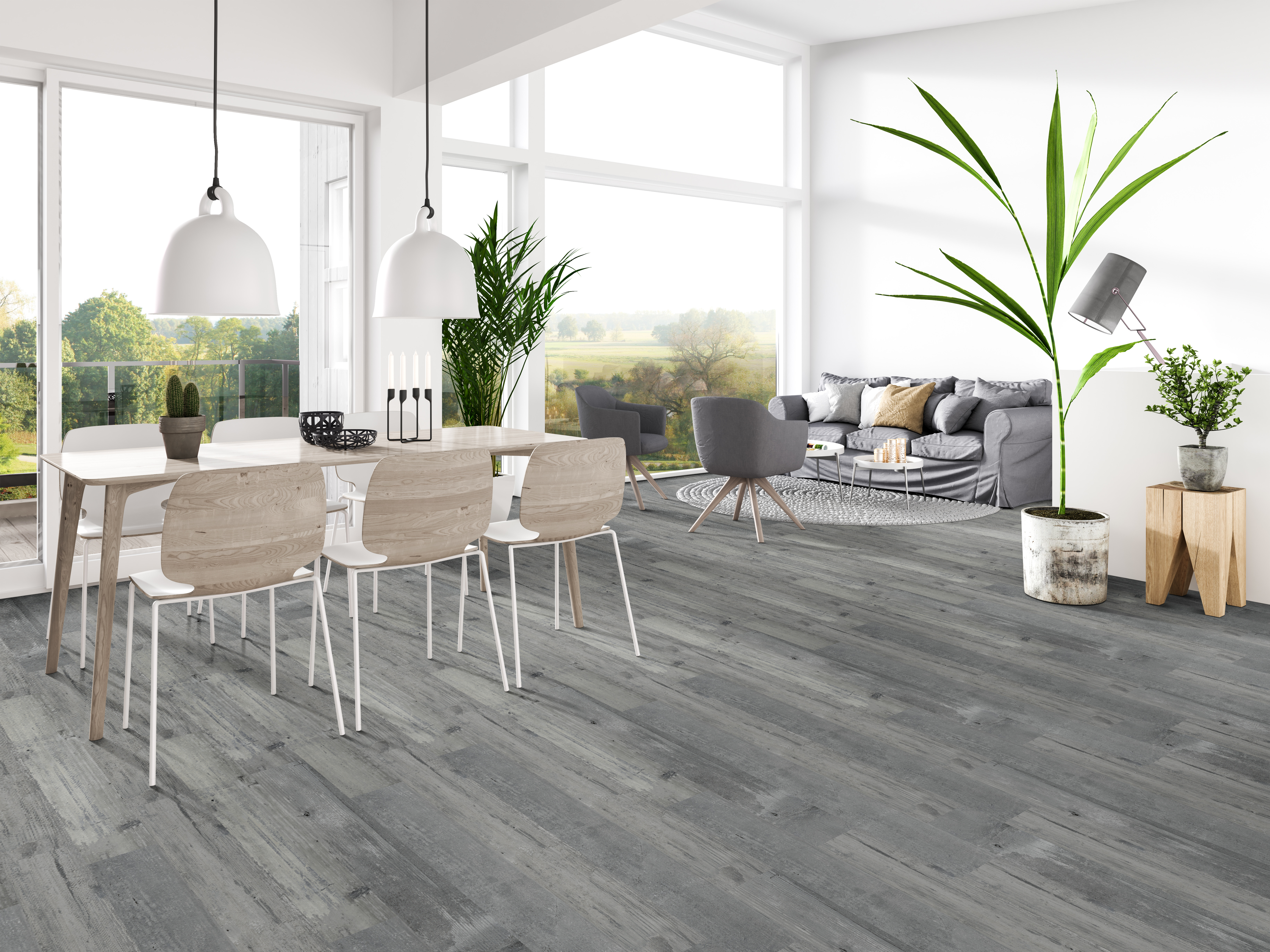
Kingsdown Gray® Luxury Vinyl Planks
Hotels, restaurants and retail outlets gain huge operational benefits from a floor that looks refined but can take the rigors of institutional use.
- Maintenance Efficiency: Standard commercial equipment can be utilized without damaging the finish.
- Durability: eavy-duty wear layer resists scuffing to protect high traffic corridors.
- Longevity: Natural stone or wood will need to be sealed, sanded, or otherwise treated periodically to keep a premium look. Luxury vinyl doesn’t.
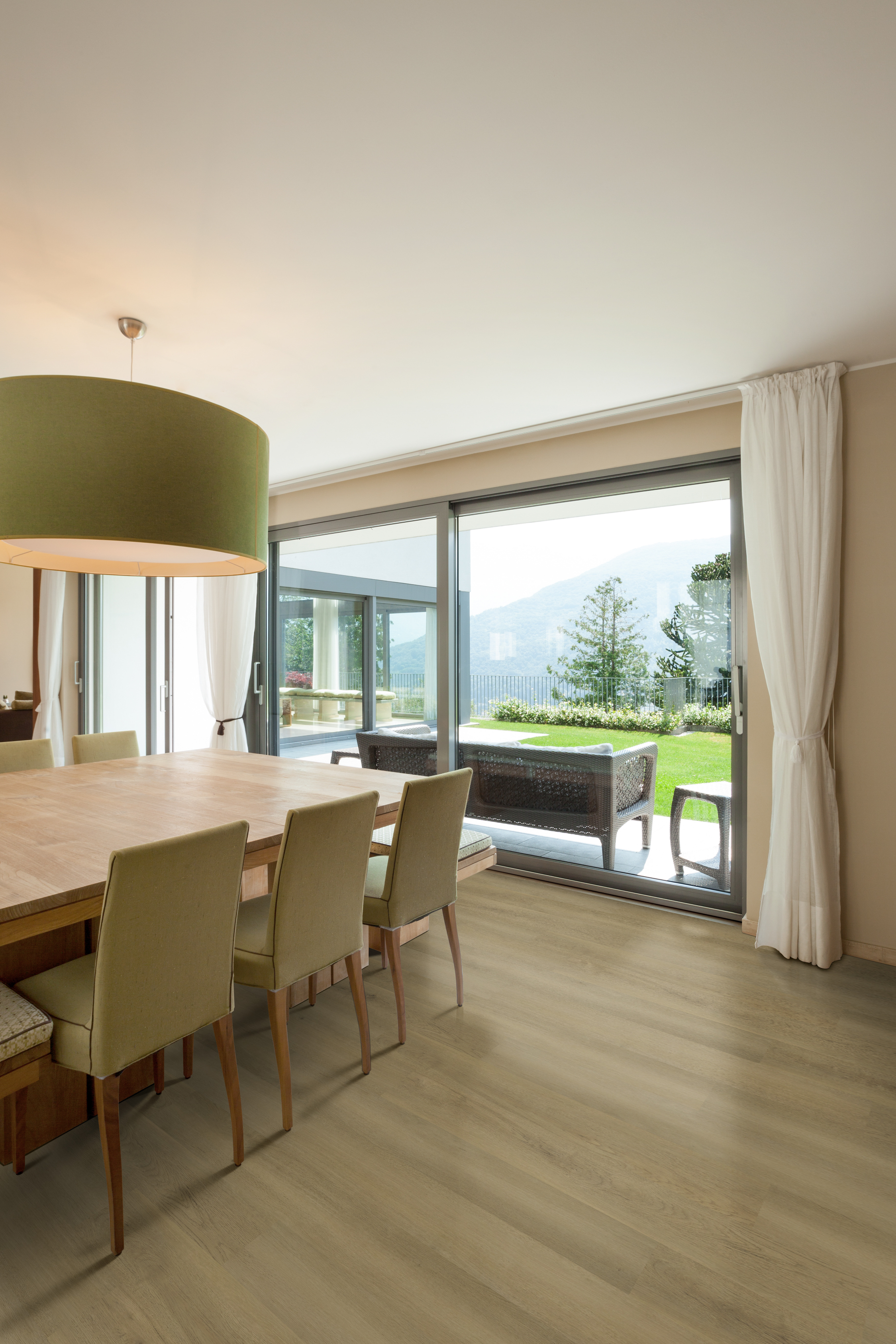
Benton Blonde Luxury Vinyl Plank
Visual Innovation: Achieving the Wood Look Vinyl Flooring Standard
At first vinyl just didn’t sound convincing. Today’s wood look products are the product of sophisticated imaging and surface engineering. Today’s manufacturing methods make it hard even for trained designers to tell these planks aren’t real hardwood.
High-Definition Imaging and Grain Precision
Today’s manufacturing process captures all the nuances of natural timber, down to the finest detail. High definition prints have knots, grain shifts, and mineral streaking that give a visual depth that was never before possible.
- Natural Variation: Wider boards, longer lengths and low-repeat patterns simulate the natural variation of a hardwood installation.
- Textured Surfaces: Embossed-in-register (EIR) technology provides a surface texture that matches the visual grain for a more realistic appearance.
Expanded Color Palettes
MSI’s luxury vinyl plank series offers a full spectrum of aesthetics:
- Traditional Warmth: Rich Walnut and Cherry hues for classic warmth.
- Modern Neutrals: Cool Scandinavian grays and whitewashed finishes.
- Rustic Character: Weathered, reclaimed looks with high-contrast textures.
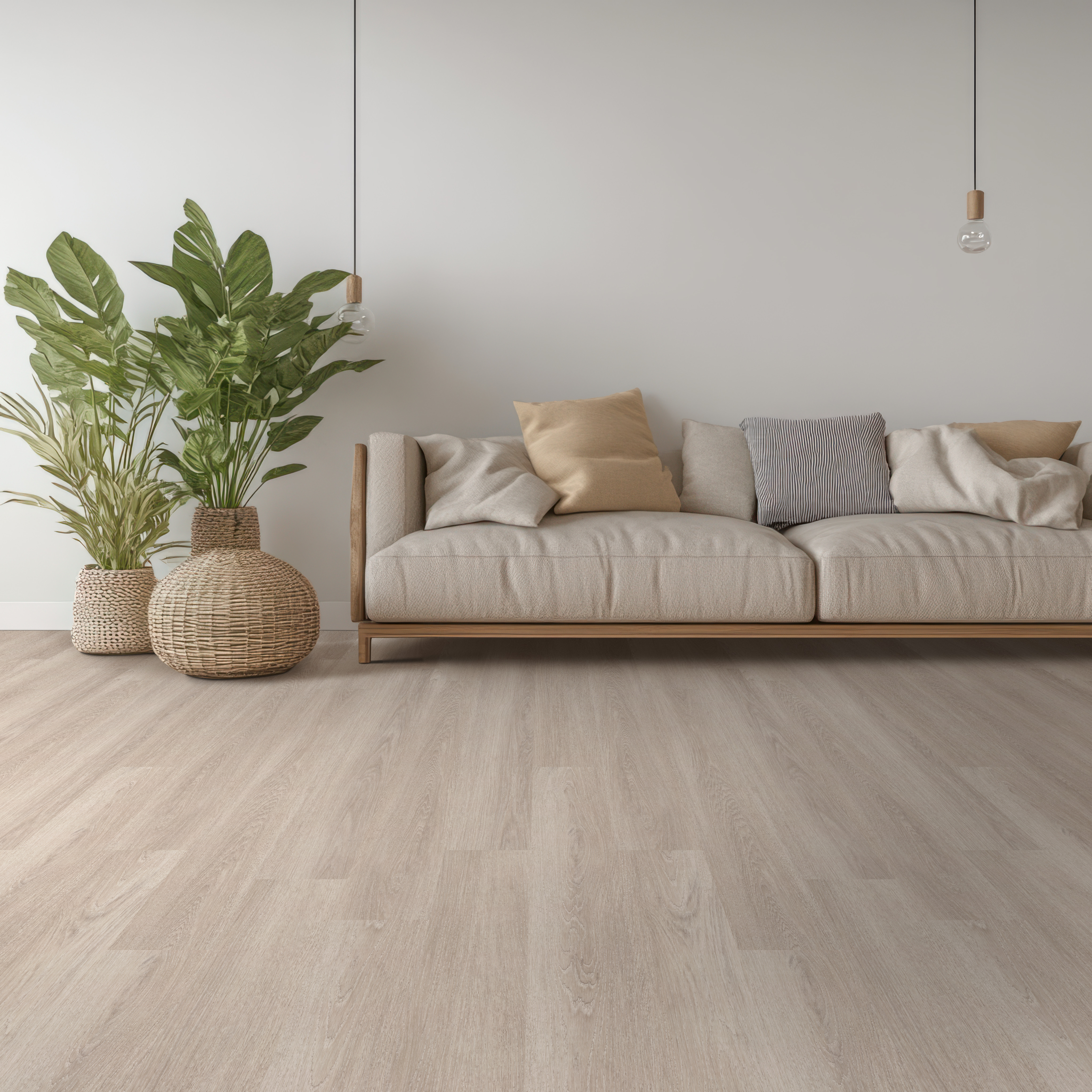
Acclima® Wharton® Luxury Vinyl Planks
Tactile Advantage of Embossed-in-Register (EIR)
The EIR technology reproduces the printed grain to the physical surface texture. When a knot is visually seen the texture of the surface is raised and lowered accordingly. That matching creates a tactile authenticity that takes this flooring way out of the normal synthetic products, into a quality space between vinyl and hardwood.
The CrystaLux™ Ultra Protection Layer
Our CrystaLux™ Ultra protection layer fortifies this flooring against common wear factors:
- UV Resistance: Offers protection from sun damage from direct sunlight in rooms with large windows.
- Stain Protection: Guards the planks against common spills and chemical attack.
- Maintenance-Free Durability: No seasonal sealing, sanding or special treatments required to keep it looking beautiful for years to come.
Vinyl Plank Flooring vs Hardwood and Laminate
The optimal solution depends on the environmental needs of the room, and all materials have their own specific role.
LVP vs Hardwood
The optimal solution depends on the environmental needs of the room, and all materials have their own specific role.
- Moisture Resistance: Vinyl is 100% waterproof and can be safely installed in kitchens, bathrooms, and basements where hardwood can be damaged by water.
- Impact Resistance: The dense core is resistant to scratches and dents from furniture, pets and heavy foot traffic.
- Maintenance: Vinyl requires a simple cleaning while hardwood needs to be sealed regularly to maintain its integrity.
- Installation: Hardwood requires a dry subfloor with a long period of acclimatization, vinyl can accommodate minor subfloor imperfections and rarely needs acclimatization. This makes it the more practical option for fast-paced project timelines.
LVP or Laminate?
Both look like wood, but they are made in different ways. Laminate is not moisture-resistant and has a core of fiberboard. However, LVP with a rigid core made of Stone Polymer Composite (SPC) is not affected by changes in humidity, making it the better choice for installations in places with moisture nearby.
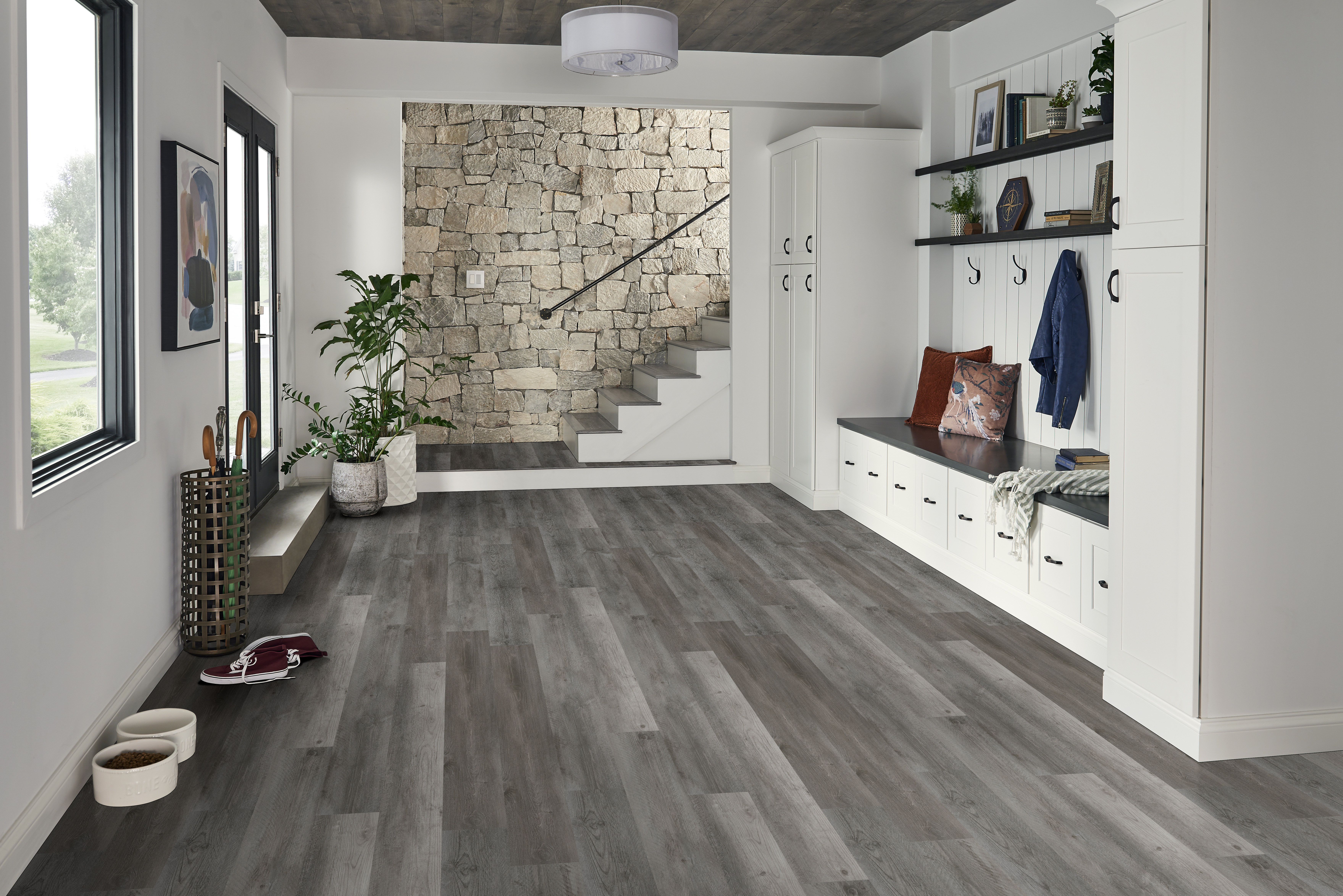
Katella Ash® Luxury Vinyl Plank
Engineered Resilience: The Technical Durability of Luxury Vinyl Plank Flooring
Hardness and Dent Resistance
SPC cores are composed of compressed limestone and stabilizers to form a hard base. This construction resists indentation from heavy furniture and is an important feature for commercial environments where fixtures are moved often.
Dimensional Stability
SPC construction keeps its shape where other floating floors tend to move or gapping with temperature changes. Reliability translates into a permanent, seamless fit in changing environmental conditions and minimizes concerns with long term maintenance.
Why a 20-Mil Wear Layer Matters
The wear layer is the product’s performance ceiling. Thicker wear layers are specified to withstand the friction of daily activity.
- Residential Grade: Usually an entry level product with wear layers from 6-mil to 12-mil, great for lower traffic areas.
- Commercial Grade: In demanding environments where the design needs to take heavy use for an extended period of time, a 20 mil layer or higher is recommended. This is the standard many of our Everlife® Luxury Vinyl Flooring is built with and this is the bar for stability.
Installation, Cost Efficiency, and Long-Term ROI of Vinyl Plank Flooring
Click-Lock Installation Efficiency
Click-lock floating systems enable planks to be installed directly over many existing surfaces without the need for adhesive. This saves a lot of labour time and causes very little disruption. The ability to prevent demolition can be a huge time and budget saver for commercial projects.
Reducing Maintenance and Lifecycle Costs
Vinyl does not require periodic sanding, staining or protective coatings, so you can save money over the life of the surface. Commercial operators also benefit operationally by maintaining a floor with standard equipment instead of needing special refinishing visits.
Cost Efficiency Compared to Hardwood and Tile
Vinyl is typically a lower-cost option than solid hardwood or natural stone tile. When you factor in the entire lifecycle including labor, refinishing and replacement costs, LVP wins hands down in total cost of ownership.
How to Choose the Best LVP Flooring Brands
The high quality brands are distinguished by wear layer thickness, rigid core construction and clear technical documentation. Our collections feature professional quality spec sheets with acoustic ratings, LEED data and structural testing to give specifiers the information they need to select with confidence.
Pros and Cons of Luxury Vinyl Plank Flooring (Benefits Explained)
Key Benefits of Vinyl Plank Flooring
- Waterproofing: Total defense against harm by humidity.
- Durability: Great resistance to impact and scratches.
- Aesthetics: Premium textures, realistic wood look.
- Installation: Easy click-lock systems reduce labor costs.
- Maintenance: Low requirement, the value increases with time.
They meet typical performance requirements for most residential and commercial applications without affecting the visual quality.
Limitations to Consider
- Repairability: If the surface of these planks gets damaged, they can not be sanded or refinished like hardwood.
- Subfloor Preparation: A level, clean substrate is essential for proper installation to prevent joint failure.
- Quality Variance: Performance of brands varies. In demanding environments, you can be disappointed in only buying on price alone.
Reasons To Choose Vinyl Plank Flooring for Modern Homes
What today's demand needs is durability, low maintenance and design flexibility. LVP flooring ticks these boxes without sacrificing visual quality. Whether it's a single family kitchen remodel, basement finish or commercial build-out, these surfaces provide you with quantifiable value for years to come.
Ready to take the next step? View our curated LVT collection, including the Cyrus LVP collection and Prescott LVP collection. Start finding inspiration today with MSI’s Visualizer Tools. Chat with us online to get expert guidance, visit an MSI showroom near you to experience our collections in person, or find a local retailer in your area.
Frequently Asked Questions
Is luxury vinyl plank flooring worth it?
Yes. With the right specification, a floor can be relied on to last more than 25 years with very little maintenance. Over hardwood or laminate, durability is a clear plus for areas that get wet or see a lot of foot traffic.
What are the true benefits of vinyl plank flooring?
Key benefits include 100% waterproof construction, DIY-friendly click-lock installation, and realistic wood-look visuals. Plus, the wear layer shields from abrasion and removes the requirement to refinish.
What are the negatives to vinyl plank flooring?
Downsides include inability to refinish the surface, need for a flat subfloor, and variable quality between brands. Poor quality products can off-gas shortly after installation, so proper ventilation is recommended.
What are the best LVP brands for high-traffic projects?
Give preference to brands that detail wear layer specifications, have a rigid SPC core, and offer full warranties.
Can I install vinyl plank flooring over existing tile?
Yes, if the ceramic tile is fully adhered and the grout lines are shallow. Before you install the planks, deep grout lines should be filled with a self-leveling compound to prevent them from showing through the new planks.
Why does my floor look cloudy after cleaning?
Cloudiness usually results from soap residue or hard water deposits. Use a pH-neutral, residue-free cleaner and rinse with clean water to restores surface clarity.
How do I remove permanent marker from luxury vinyl?
Use a cotton ball soaked in 70% isopropyl alcohol to rub the area. This lifts the pigment and does not harm the wear layer. Avoid using abrasive scrubbers or harsh solvents, as they can dull the finish.
 SHARE
SHARE
 PIN
PIN
 TWEET
TWEET