Engineered Hardwood Vs LVP: Which Flooring Has Better ROI?
Engineered hardwood provides a superior return on investment for homeowners who plan to stay put long term, enhancing the resale value of the home and lasting many years when refinished. LVT costs less up front, is waterproof and has a lifespan of 15-25 years with no maintenance refinishing, making it a superior ROI for short term owners, investment properties and installations where moisture is a problem. Your choice will rely on your timetable, the amount of moisture your project will get and whether you care more about resale value or saving money up front.
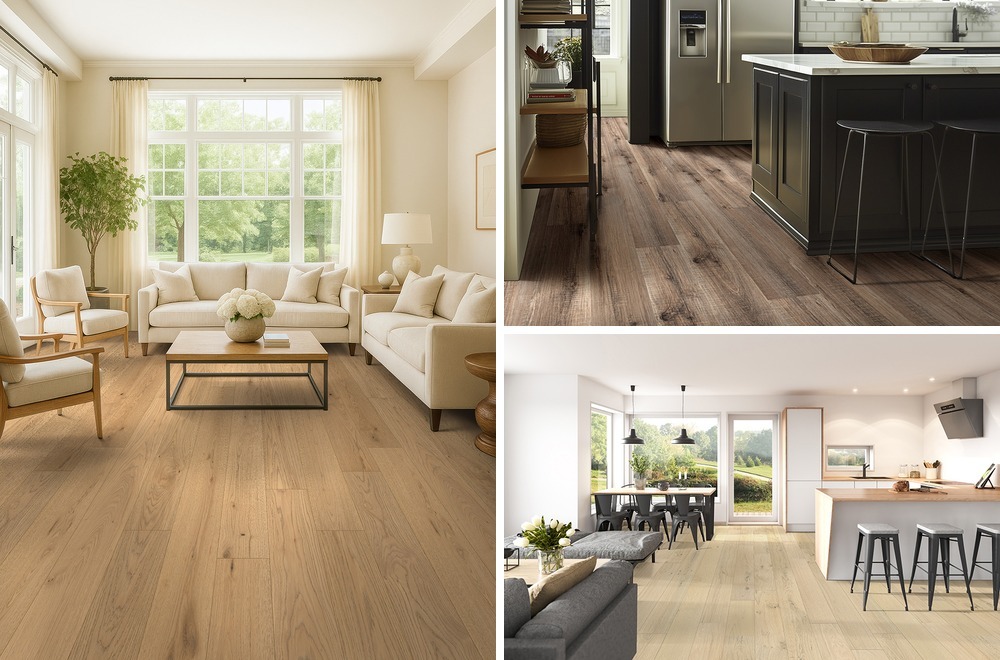
Flooring is one of the greatest investments per square foot in any home improvement. When it comes time to sell your house, the decision between luxury vinyl plank (LVP) and engineered hardwood affects not only the feel of a space underfoot, but what your home is worth. LVT receives instant applause for its upfront affordability and practical, watertight durability, while engineered hardwood earns long-term loyalty for its authentic wood looks, refinishing possibilities and better resale value.
As for picking materials, you’ll want to assess both on three basic pillars: upfront prices, durability and longevity, and impact on resale value. Bringing these pillars into a total cost of ownership model, you’ll be able to better determine which choice provides the best return on investment (ROI) for your schedule, property type and budget. The entire MSI Everlife® luxury vinyl flooring and W™ Luxury Engineered Hardwood collection is where to start to compare and plan your project with style and performance options.
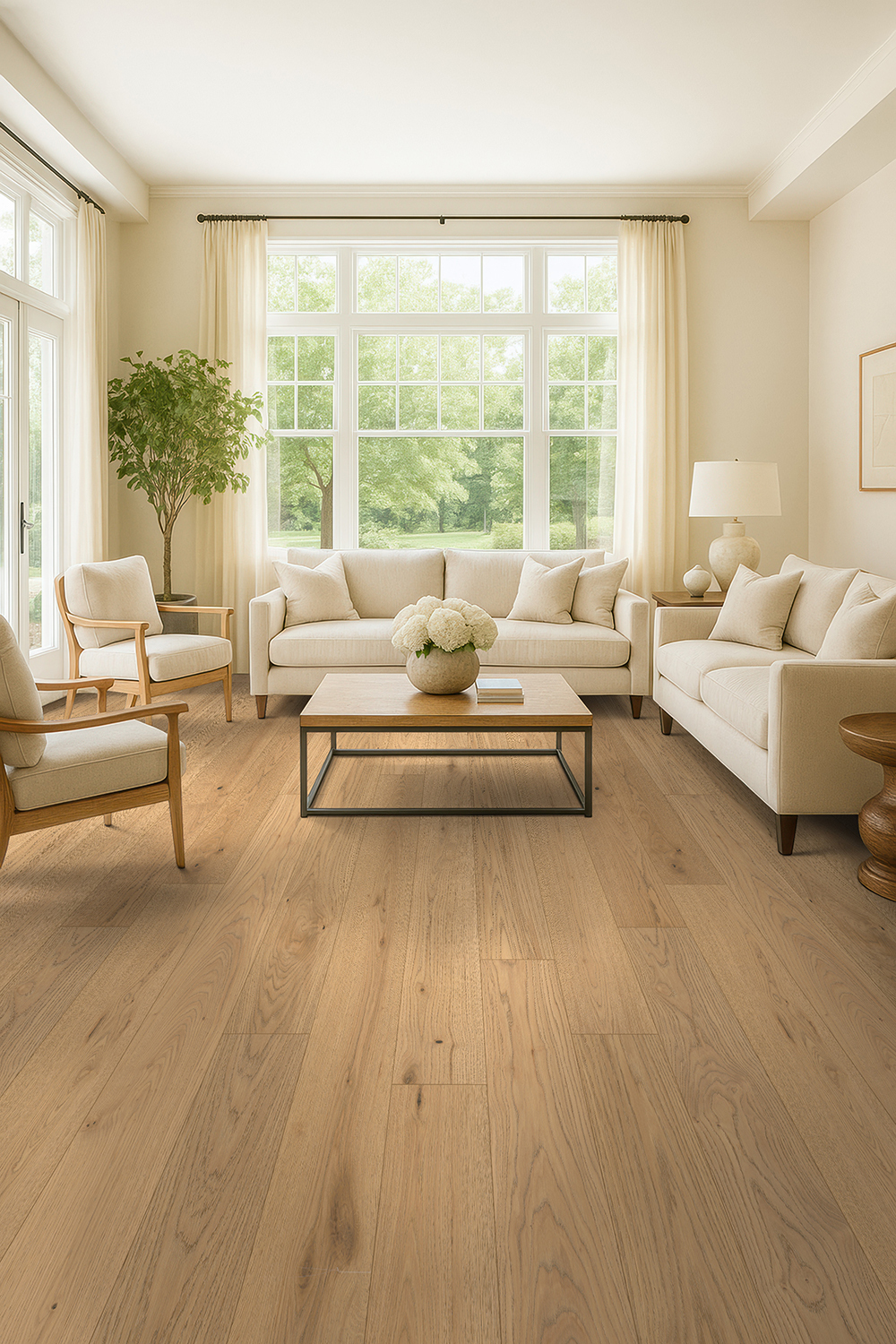
Adriel Oak Engineered Hardwood Flooring
What Does “ROI” Really Mean In Flooring?
Engineered hardwood vs. LVT: Your ROI is far higher than the price on your first receipt at the shop. True return on investment flooring is a calculation of three distinct numbers:
- Initial Cost: Cost of raw materials, underlayment, transition strips and professional installation.
- Durability/Lifespan: The length of time the surface will be serviceable until a full replacement or refinishing maintenance is necessary.
- Resale Value: The emotional buyer appeal and financial appraisal elevation you get when you promote the property.
A cheap floor that has to be ripped out and replaced twice in thirty years usually costs far more in out-of-pocket capital than a quality surface that is laid once. But a surface that carries the coveted “hardwood” moniker on a real estate listing can add thousands of dollars to the offering price, well beyond the upfront premium of the material cost. If you want to determine a genuine hardwood vs LVT ROI you will need to run all 3 numbers together.
Initial Cost: LVP vs. Engineered Hardwood
The first comparison a homeowner will normally make is the price tag, right off the bat. LVP vs hardwood will depend on the grade of the product, the core construction (WPC vs SPC cores), the type of wood used, and the labor costs in your locale.
Start-up costs: LVP
- Material Cost: Average residential LVT is $2 to $10 per square foot. High-end wide-plank types with extensive wear layers might cost $12 or more per square foot.
- Installation Cost: Professional labor typically costs $1-$5 per square foot. But ambitious homeowners may easily tackle DIY flooring installation because many products come with click-lock floating systems, which means big savings on labor.
- Total Installed Range: Expect to pay between $3 and $15 per square foot for the entire job.
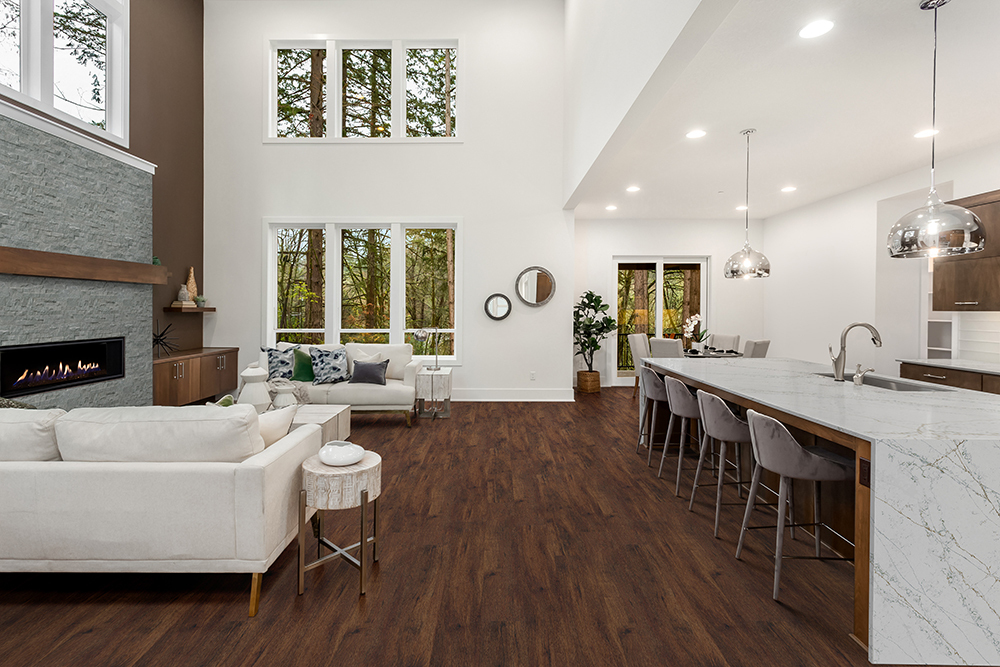
Engineered Hardwood Initial Costs
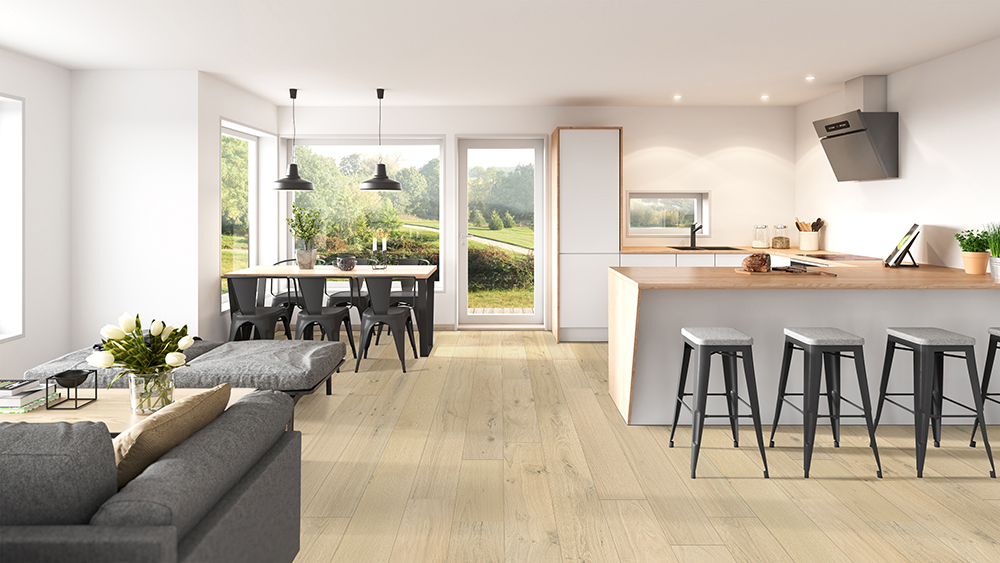
Ladson® Whitlock Engineered Hardwood Flooring
- Material Cost: Engineered hardwood flooring for home use typically costs between $3 and $10 per square foot. Premium species, specialized finishes and wide plank formats are routinely priced at $15 to $26+ per square foot.
- Installation Cost: Professional labor installation cost of engineered hardwood flooring ranging from $3 to $10 per square foot. Specialized underlayments demand trained craftsmen for intricate glue-down or nail-down applications. Floating clicklock designed solutions are available, however the industry gold standard is still full bed adhesive or staple installations.
- Total Installed Range: Expect to pay $6 to $20+ per square foot for the full cost of the job.
Vinyl will save you $3- $8 per square foot installed when comparing engineered hardwood vs LVP cost per square foot. The disparity is far bigger in professional installations where expert hardwood labor is at a premium. But on the top end, luxury vinyl might be priced the same as mid-tier genuine wood, so it’s crucial to compare like-quality tier products.
For budgeting, check out our comprehensive guide on luxury vinyl flooring installation costs. Also check out our full LVP flooring cost comparison to do the project math. Refer to the EverLife flooring comparison chart for a breakdown of product levels at various price points.
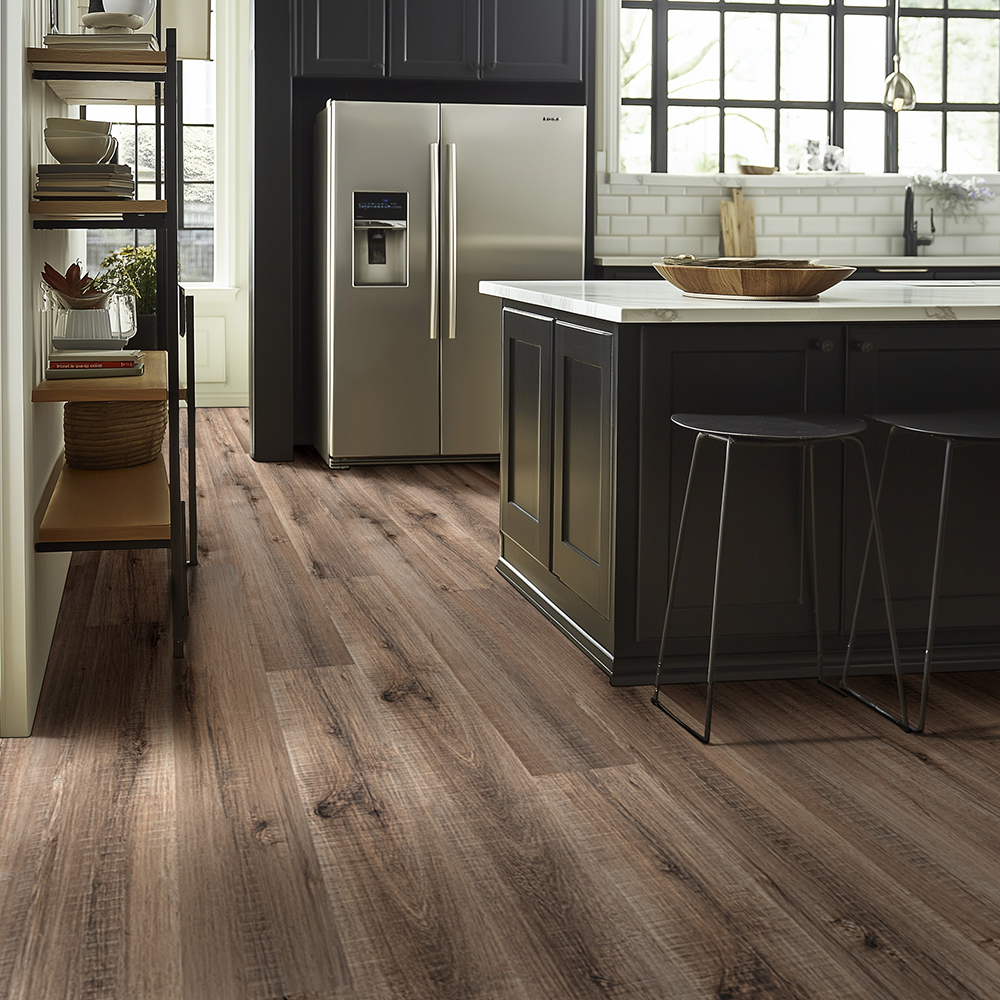
Andover Blythe® Luxury Vinyl Plank
Durability and Lifespan – What Floor Will Last Longer?
An engineered hardwood durability vs. LVP comparison is not really about identifying an absolute victor, but matching material attributes to environmental conditions.
LVP Performance and Longevity
- Scratch & Abrasion Resistance: Luxury vinyl features a clear aluminum oxide surface wear layer that protects against pet claws, dragging furniture and high traffic. Active Households – Engineered Hardwood vs LVP for Dogs-- The vinyl top coat can prevent from everyday scratches better than engineered hardwood. The industry standard suggestion is 20 mil wear layer for high usage households. Thin 6-12 mil budget choices will wear out in 5-10 years and should be avoided in active locations.
- 100% Water-Resistant Performance: Quality vinyl has a hard composite core like SPC (Stone Plastic Composite) manufactured from limestone powder and PVC or WPC (Wood Plastic Composite) created from wood fiber and PVC, so it is entirely resistant to water damage. It won’t bend, swell or cup when exposed to standing water. That makes it the no-brainer choice for basement renovations using LVP versus engineered hardwood, laundry rooms and bathrooms.
- Non-Refinishable Limitation: LVT cannot be sanded or refinished if scratches pierce the print film or the wear layer wears through from heavy foot usage. The only cure is to replace the entire board or room.
- Expected Lifespan: Good residential LVT should last 15 to 25 years. Commercial items can last 30 years or so for the high end.
Engineered Hardwood Durability & Performance
- Real Wood Surface: Engineered hardwood comprises a top veneer of real hardwood and a multi-ply structural core for dimensional stability. The surface has the warmth and elegance of real wood but is softer than synthetic vinyl wear layers and may be harmed by hard dog nails or sharp impacts.
- Moisture Sensitivity: The core of the cross-ply is more resistant to moisture than solid timber, although standard engineered wood is not waterproof. Don’t let water pool, or the edges will swell. If your home is prone to spills, you’ll want to think long and hard about engineered hardwood vs LVP for the kitchen.
- Refinishing Power: The real key to engineered hardwood durability and how long do engineered hardwood floors last is that it can be restored. Expect one mild sanding and refinishing cycle if the engineered wood veneer is 2.5mm (NWFA’s declared minimum for sanding) thick or greater, and no sanding if the veneer is thinner than that. The superior 4mm-6mm wear layers are refinish-able 3+ times, totally resetting the cycle of flooring replacement.
- Expected Lifespan: With careful care and occasional refinishing, quality engineered hardwood can endure 25 to 50+ years. There are verified historic installations in excess of 80 years.
You may read more about these functional compromises in our benefits of luxury vinyl flooring guide. If you want real wood with no compromises on moisture protection, MSI Woodhills waterproof hardwood flooring is the answer. This range closes the performance gap with vinyl without compromising natural beauty and real estate value, by fusing a real wood veneer with a waterproof core. To see how it performs in the real world read our complete Woodhills waterproof hardwood flooring review.
Note: Collections such as Woodhills® waterproof hardwood flooring provide the refinish-able benefit of engineered hardwood with extra moisture resistance, closing the performance gap with vinyl without compromising resale value.
Buyer Appeal and Resale Value: What Appraisers Are Really Looking For
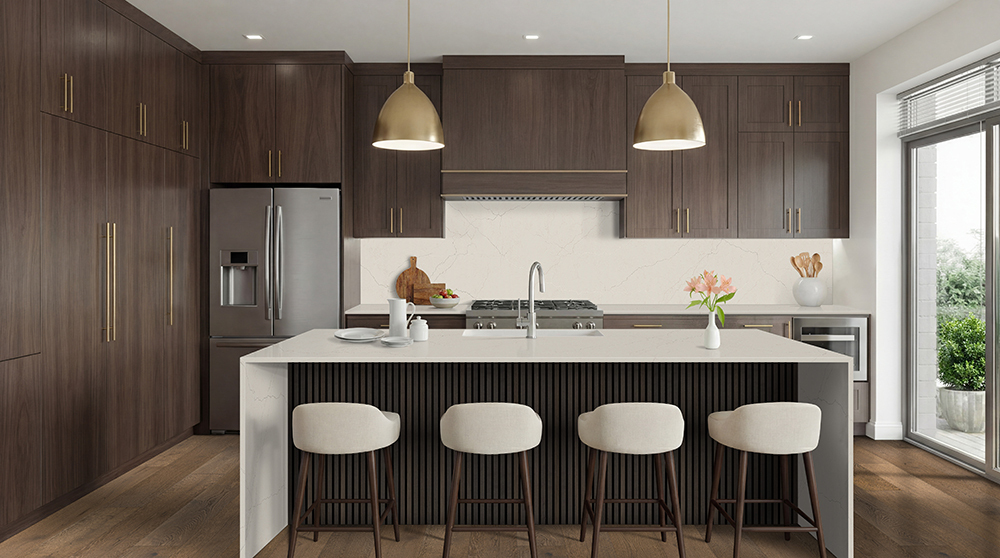
McCarran® Thornburg Engineered Hardwood Flooring
Appraisers do not value all materials used for real estate flooring the same when evaluating value. Industry surveys demonstrate that real wood surfaces attract a considerable price premium in property appraisals and buyer desire.
- Buyer Perception: Engineered hardwood is real hardwood, and real estate agents and buyers know this. Natural grain depth, modest tonal variation and tactile warmth all photograph well for digital listings. But the phrase “hardwood floors throughout” on an MLS listing will trigger an emotional and financial response at the offer table.
- Evolution of Vinyl: 2026 LVT generations have high-definition visual prints, registered-in-embossing (EIR) textures and extra-long plank proportions for outstanding realism. But vinyl is still considered a synthetic materials by professional assessors and discriminating customers.
- Neighborhood Price Tiers: Resale value of engineered hardwood vs LVP depends greatly on your local market. In the higher price segments, real wood is the expected norm, whereas synthetic flooring is viewed as a cost-saving measure. In starter-home markets or entry-level communities where purchasers value low maintenance, scratch resistance and waterproof performance over the heritage of materials, higher-end LVT frequently offers the best return.
The 30-Year Math: Total Cost of Ownership
Most choices for flooring are centered on upfront purchase receipts, not multi-decade operational costs. Run a total cost of ownership LVT versus hardwood model out 30 years and you see the real cost difference between hardwood vs LVP cost.
Imagine a 500 sq ft living space over a 30 year period:
| Expense Category | Mid-Range LVP | Mid-Range Engineered Hardwood |
|---|---|---|
| First Materials & Installation | $3,000 ($6/sq ft) | $6,000 ($12/sq ft) |
| Maintenance Year 15 to 20 | $0 (Wear layer intact) | $2,000 ($4/sq ft refinishing) |
| Full Replacement Year 20 | $3,500 ($7/sq ft installed) | $0 (Floor continues post-refinish) |
| Out-of-Pocket Spend Over 30 Years | ~$6,500 | ~$8,000 |
| Impact on Appraisal / Resale Value | Moderate return | High return (Adds 2%–5% to home value) |
| Net Financial Impact | Lower total capital spend | Home equity boost offsets higher capital expenditure |
The calculation leads to several key observations:
- Refinishing vs. Tear-Out: Refinishing engineered wood ($3–$8/sq ft) is significantly less expensive and disruptive than a full cycle of tear-out, disposal and replacement with vinyl ($3–$15/sq ft installed).
- Replacement Frequency: If you have strong traffic and your entry-level LVP fails at year 12 or 15, you’ve totally lost the cost savings of the upfront cost you had from the first cycle by having to do the second replacement cycle.
- Equity Creation: Real hardwood can add 2.5 percent to the resale value of a $400,000 home, which translates to $10,000 in equity – more than enough to repay the original installation and refinishing expenditures.
Check out our guide to luxury vinyl flooring care and maintenance to keep your floors looking great for life!
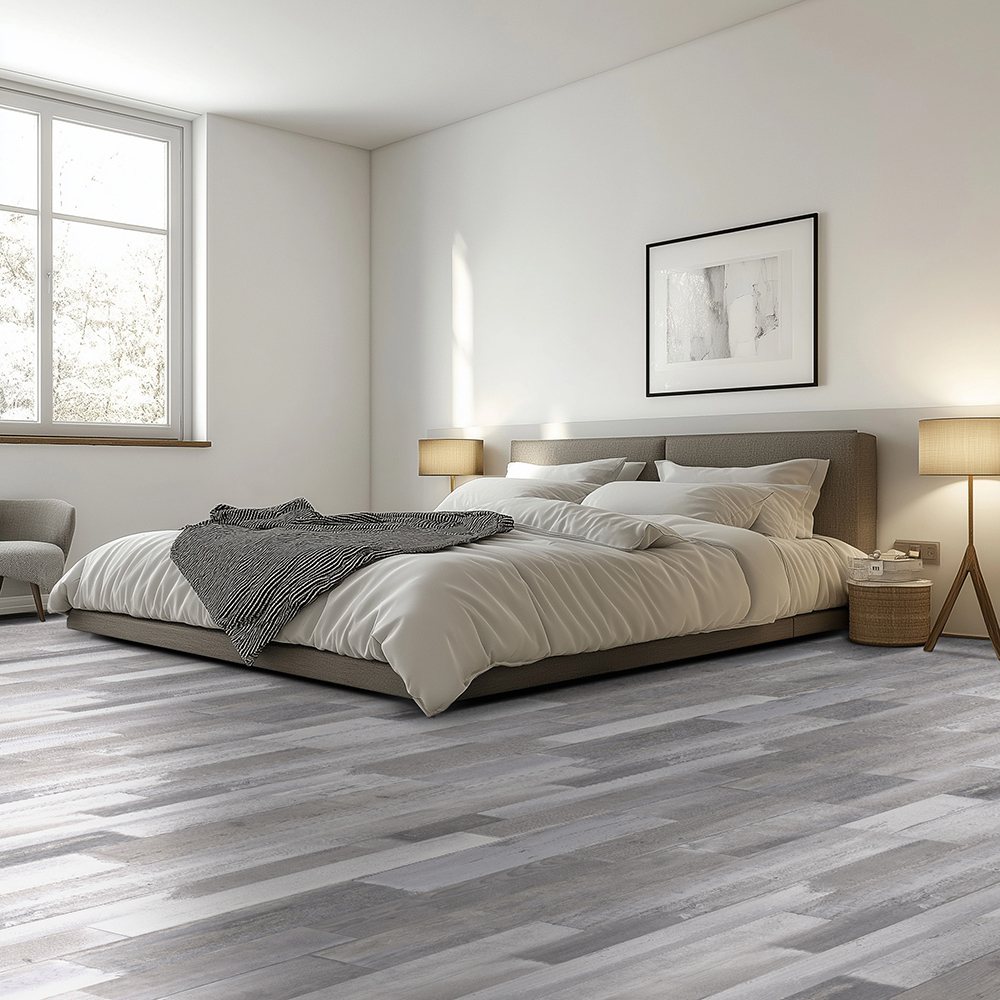
Prescott® Woburn Abbey® Luxury Vinyl Plank
Flooring That Offers a Better ROI? The Verdict by Homeowner Type
ROI relies on timeframe, lifestyle and property class, so is engineered hardwood better than LVP depends entirely on your situation. This choice guide will assist in selecting the proper material:
Here is a table that outlines the major ROI variables at a glance: Upfront cost, longevity, moisture performance, refinishing possibility and resale value.
| Factor | LVP | Engineered Hardwood |
|---|---|---|
| Best For | Short-term owners, rentals, wet areas | Long-term owners, luxury, dry living spaces |
| Upfront Cost | Lower | Higher |
| Lifespan | 15–25 years | 25–80+ years |
| Waterproof | Yes | No (unless specialized) |
| Refinishable | No | Yes |
| Resale Value Impact | Moderate | High |
| 30-Year ROI Winner | Short-term, practical use | Long-term, authentic value |
- Short-Term Homeowners (Selling in 3–7 Years): LVT wins. Lower upfront setup expense keeps your capital liquid. New, fresh LVT appeals to house purchasers who don’t want to pay the high upfront expenditures of hardwood that they won’t be around long enough to profit from.
- Long-Term Homeowners (Living 15+ Years): Engineered hardwood wins. In 15 years you can sand and refinish your floor and it will look like new again. Real wood is a better money engine over decades; it is durable, timeless, and has equity value.
- Investment Property & Rental Owners: LVT scores big. Floors can be a big problem with renters. Waterproof protection keeps out plumbing spills, pet accidents and hard wear to save money on between-tenant repairs. Multi-unit portfolios keep capital with lower upfront cost.
- Luxury & Custom Homes: Engineered Hardwood is the winner in Luxury & Custom Homes. Natural, real materials are what high-end shoppers are looking for. Luxury synthetic flooring can result in reduced offers or replacement credits.
- Moisture-Prone Rooms (Basements, Bathrooms, Mudrooms): Winner: LVP. Vinyl is a must-have below grade or in wet zones, where real wood can warp – vinyl’s 100% waterproof construction holds up instead.
- Dry, High-Visibility Spaces (Living Rooms, Master Suites): Engineered hardwood wins. When picking an LVT or engineered hardwood for a living room renovation, real wood is recommended. The natural timber grain adds to points of attention creating powerful evaluation appeal.
Ladson Milledge Engineered Hardwood Flooring
To learn more about the benefits and cons of these options, see our in-depth overview of luxury vinyl flooring pros and cons. Or read our complete vinyl flooring guide to compare forms of rigid core construction. Or read our definitive guide to luxury vinyl flooring.
LVP vs Engineered Hardwood: Side by Side Comparison
Here’s a quick breakdown of how each material performs in terms of financial, physical and practical metrics:
| Factor | LVP | Engineered Hardwood |
|---|---|---|
| Waterproof | Yes — 100% | No (unless specialized) |
| Scratch Resistance | Excellent (wear layer) | Moderate (real wood surface) |
| Refinishable | No | Yes (1–3+ times) |
| Lifespan | 15–25 years | 25–80+ years |
| Resale Value Impact | Moderate | High |
| Best Rooms | Kitchen, bathroom, basement, rental | Living room, bedroom, dining room |
| 30-Year ROI Winner | Short-term, practical use | Long-term, resale value |
Luxury Vinyl Tile (LVT) has the same essential features, durability and financial performance logic as Luxury Vinyl Plank (LVP), just in a different format (tile vs. plank).
Maximize Your Flooring Investment with MSI
When you have the correct homeowner, room and timeframe, both LVT and engineered hardwood may be incredibly versatile in both design and performance. Whether it’s complete, premium collections for both, you can simply find your perfect surface from MSI. Select our industry-leading MSI EverLife luxury vinyl flooring for ultimate waterproof durability, or enjoy the genuine timber look of our real-wood MSI WoodHills waterproof hardwood flooring for peace of mind in moisture-prone regions.
Want to experience the difference yourself? Chat with our team online, buy samples direct to your home or visit an authorized MSI retailer or MSI showroom near you to choose the flooring that will pay you back for years to come.
Frequently Asked Questions
What does ROI mean for flooring, really?
The ROI of flooring is made up of three vital components: the cost of the materials and installation, the useful life of the flooring before it has to be replaced or refinished, and the quantitative impact it has on the final sale price of the home.
What floors endure the longest?
Refinishing engineered hardwood from time to time might help it endure longer. Quality vinyl will last 15-25 years and engineered hardwood with 2mm+ of veneer can last 25-80+ years.
LVP vs Engineered Hardwood – Which is Better for a Home?
Buyers and appraisers know it’s real wood, and engineered hardwood always offers a superior resale value. However, in rental or entry-level markets, LVT frequently gives a better net ROI because to the smaller upfront capital outlay.
Which floors last longer?
Engineered hardwood is more durable in general. The good vinyl will last 15-25 years before you have to replace it all. Engineered hardwood with a 2mm+ veneer can endure 25 to 80+ years with occasional sanding and refinishing.
In an LVT vs engineered hardwood comparison, what is the difference between LVT and LVP?
Luxury Vinyl Tile (LVT) and Luxury Vinyl Plank (LVP) have the same basic features. Both are 100% weatherproof, very durable and require no re-finish. The only variation is the format (tile versus plank) therefore both operate on the exact same performance and cost reasoning versus engineered hardwood. Read more in our LVT vs LVP flooring guide.
 SHARE
 PIN
 TWEET