Commercial Artificial Turf: Which Types Can Handle High-Traffic Areas?
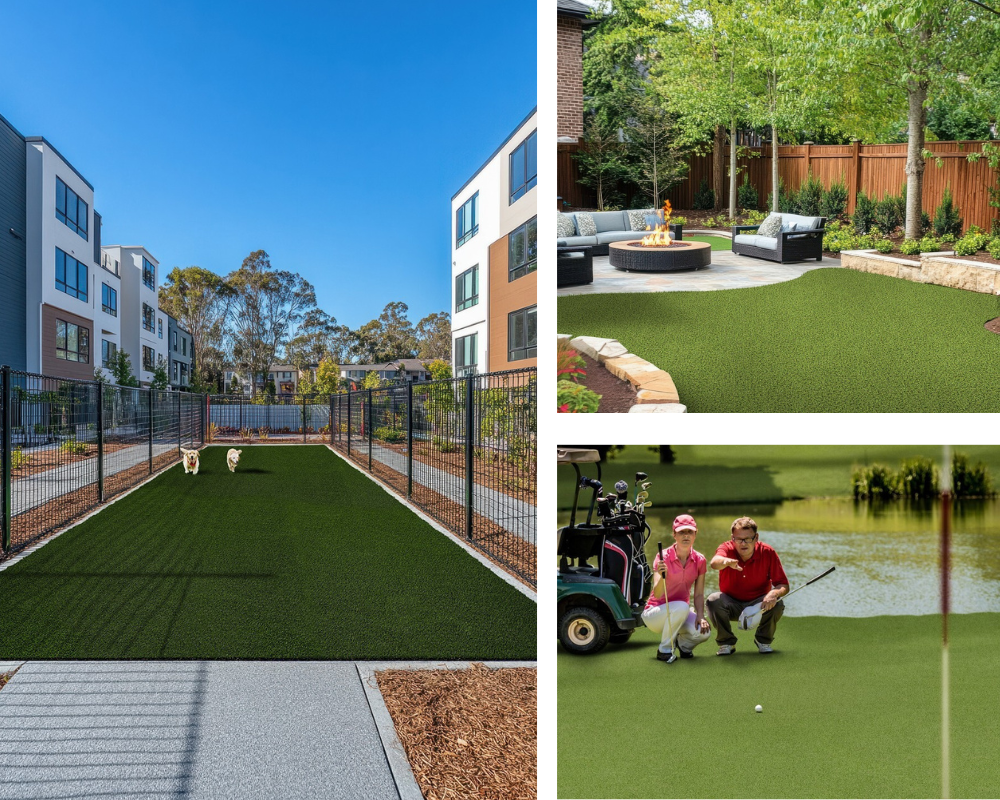
The ideal artificial grass for high-traffic areas should have a face weight of 70 oz or more, a pile height of 1.25 inches or less for intense use, and nylon or high-quality polyethylene fibers. Spec nylon grass for commercial applications and sports fields with a face weight 90+ oz. and double polyurethane backing. Heavy use residential areas (kids, dogs, entertaining everyday) do well with PE fiber grass 70-90 oz. MSI Evergrass® is specifically built for heavy, high traffic applications where great performance is critical.
Why Durability Counts with Artificial Turf
Not all commercial artificial grass is created equal. Consumer-grade turf won’t stand up in high traffic areas when the improper specifications are used. When selecting synthetic grass for active areas, structural properties are more important than surface aesthetics. To learn more about Everything You Need to Know About Artificial Turf visit our blog.
There are four fundamental durability specs that determine performance throughout time:
- Face Weight
- Fiber Material
- Pile Height
- Backing System Integrity
Commercial and high traffic areas have substantially higher specification criteria than normal residential lawns. In this guide, we’ll break down each measure so you know exactly what specs to look for before buying.
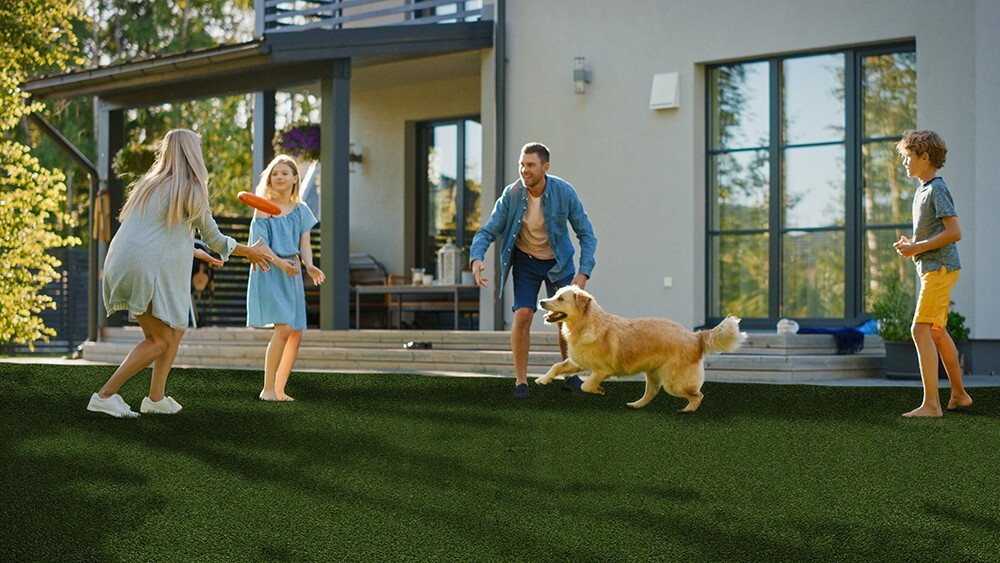
Evergrass® Meadow Green Pet Turf 91
Face Weight Artificial Turf Specs: The Most Important Metric for Durability
Understanding face weight and pile height is key while buying synthetic turf. Face weight is the weight of the synthetic fibers per square yard, not including backing material. A heavier face weight results in a denser, more robust turf that can handle repeated foot traffic.
| Face Weight | Traffic Level | Anticipated Lifespan | Primary Applications |
|---|---|---|---|
| 30–50 oz. | Light | 3–8 Years | Decorative borders, entry displays |
| 50–70 oz. | Medium | 8–12 Years | Standard patios, dining areas |
| 70–90 oz. | Heavy | 12–15 Years | Daily family/pet use, high-traffic yards |
| 90+ oz. | Extreme | 15+ Years | Commercial landscapes, sports facilities |
Rule of Thumb: 70 oz. Face weight minimum is great for high-traffic residential areas, while 90+ oz. is critical for commercial and sporting purposes.
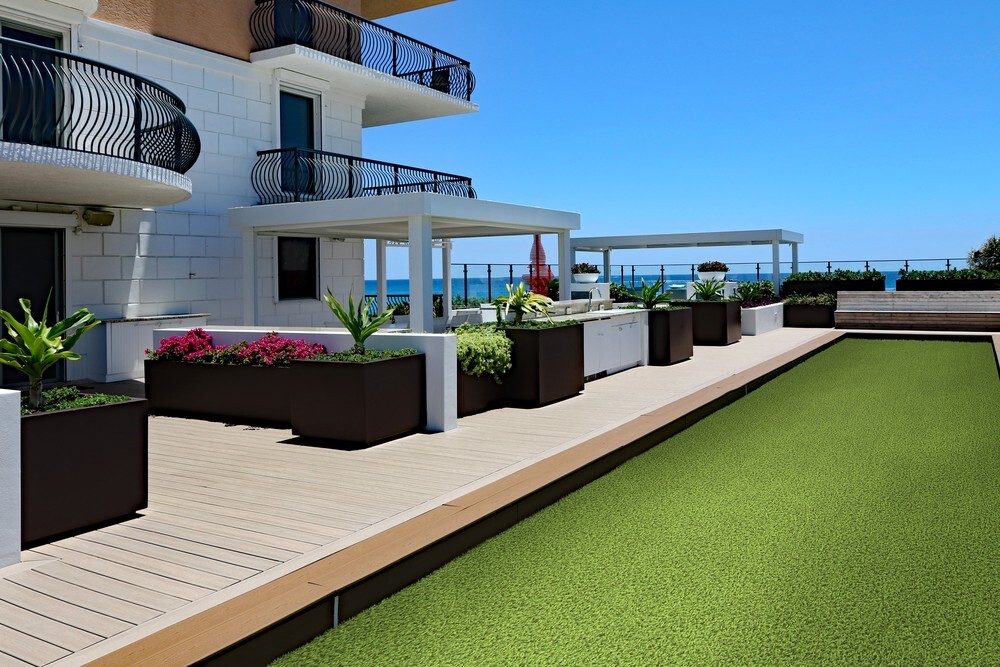
Nylon Vs PE Vs PP – The Different Types of Artificial Turf
When choosing the right Evergrass for your lifestyle, remember that synthetic grass consists of three major types of fibers, each with their own performance qualities:
- Nylon: tough, resilient Heavy outdoor furniture and regular foot traffic spring it back quickly. Nylon is the most typical material for heavy duty or commercial traffic; however, it is a bit stiffer underfoot and a bit more expensive.
- Polyethylene (PE): Soft and flexible, with just the ideal balance for heavy use in homes. Polyester is the most preferred fiber for active households with children, pets or regular entertainment demands.
- Polypropylene (PP): Typically the least durable artificial turf of the three fibers under extended foot usage, and most likely to mat. Leave the polypropylene for low-impact decorative accents or short-pile putting greens.
Fiber Blends
Fiber mixtures are widely used in quality turf. The combination of straight PE monofilament blades with a texturized, curly thatch layer means a better appearing and structurally stronger result. For instance, MSI Evergrass® uses high-quality polyethylene fibers that look natural and are durable.
Pile Height Artificial Turf Specs: Short Pile Holds Up Better
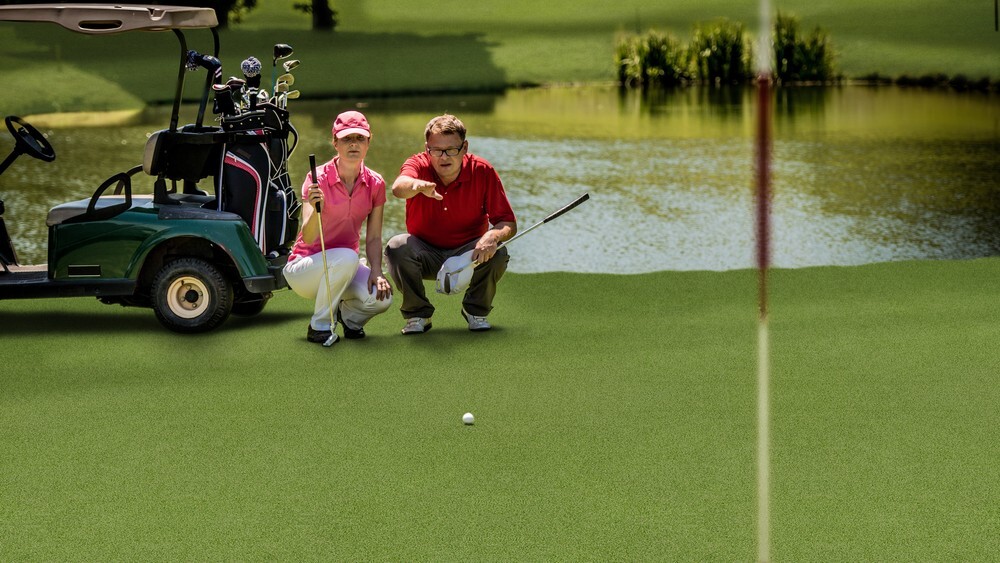
Evergrass® Putting Green Turf 78
Pile height is the length of the grass blade from the bottom backing to the tip. Longer blades simulate lush, un-mowed real grass but tend to flatten and mat down under continuous foot traffic. The shorter blades stand up straight, come back quickly and are easier to clean.
| Pile Height | Best Use Case | Performance Trade-Offs |
|---|---|---|
| 0.5–1.25 in. | Extreme traffic, putting greens, commercial | Most durable, easier to clean, slightly less natural appearance |
| 1.25–1.75 in. | Regular patios, daily family/pet use | Good balance of resilience and natural look (residential sweet spot) |
| 1.75–2.5 in. | Decorative, low-traffic areas only | Highly natural look; not suitable for regular foot traffic |
Backing System: What Keeps It All Together
High performance turf is based on a dual layer backing system:
- Primary Woven Backing: The main backing layer into which the grass blades are tufted.
- Secondary Polyurethane Coating: A reinforcing coating that permanently secures the fibers in position.
Search for professional quality goods with 8-10+ lbs of tuft bind strength (the force required to pull a bundle of fibers from the backing). Ensure the backing has factory drainage apertures to allow rainfall and irrigation to move freely. Bad backings lead to fiber pull-out, uneven wear patches and ongoing moisture or smell difficulties.
Traffic Rating Scale & Self-Assessment
Traffic Specification Matrix
| Traffic Level | Definition | Example Spaces | Minimum Face Weight |
|---|---|---|---|
| Light | Intermittent, mostly decorative | Rooftop displays, entry strips | 30–50 oz. |
| Medium | Frequent evening/weekend use | Dining patios, lounge areas | 50–70 oz. |
| Heavy | Daily active use | Main backyards, play zones, pet areas | 70–90 oz. |
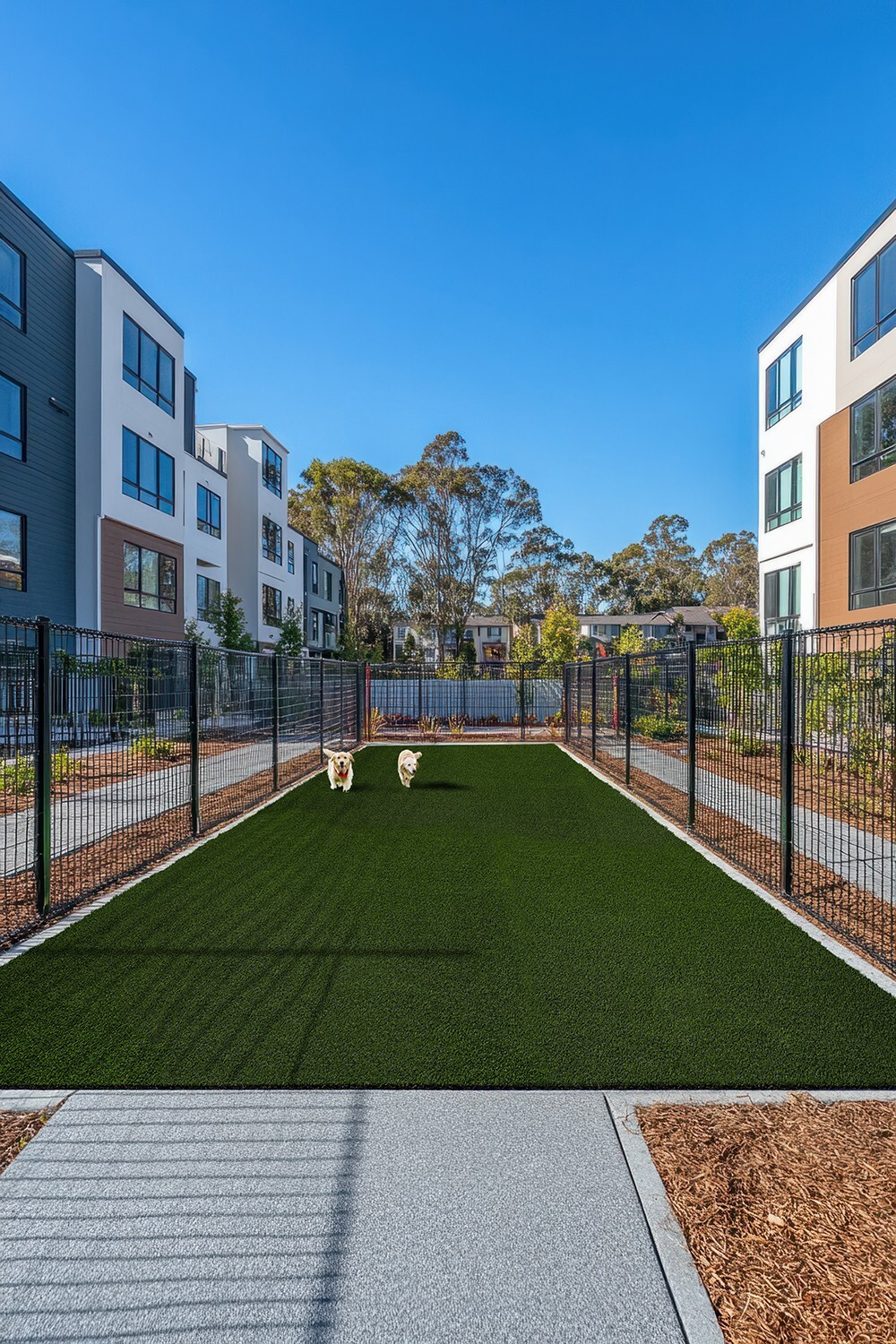
| Extreme | Constant public/commercial use | Dog runs, sports fields, retail, schools | 90+ oz. |
Know Your Traffic Before You Buy
Evergrass® Putting Green Turf 78
Consumers tend to overestimate the life span of lower end turf and purchase medium grade turf for active areas only to have it mat in 6 to 12 months. Think about the room before you buy, and ask:
- Who uses the space? (Adults, young children, pets, commercial visitors)
- What is the frequency of use? (Intermittent vs. continuous daily traffic)
- What specific activities will occur? (Sports cleats, heavy outdoor furniture legs, running animals)
- Is this zone a primary bottleneck or entry path? Observe your outdoor area over a week to identify natural pathways—these focal points require the highest-grade turf in your project scope.
Commercial vs. Residential Turf: What’s the Difference
Commercial artificial turf such as MSI Evergrass artificial turf is designed to withstand high traffic, harsh weather and long service life.
| Feature | Standard Residential Specs | High-Traffic Commercial Specs |
|---|---|---|
| Target Face Weight | 50–70 oz. | 90+ oz. |
| Primary Fiber | Polyethylene (PE) | Nylon or Nylon/PE Blends (maximum spring-back) |
| Backing Strength | Standard Dual Polyurethane | Heavy-Duty Double-Layer (high tuft bind rating) |
| UV Resistance | Standard Residential Stabilizers | Premium High-UV Stabilizers (prevents sun fading) |
| Warranties | 8–12 Years | 12–20+ Years |
Note: For heavy use (several large dogs, busy daily play zones, frequent outside activities) homeowners should look at commercial grade choices.
Best Artificial Turf for Commercial Use
Playground & School Installations
- Safety First: Certified playground installs usually require a shock-absorbing foam or rubber underlayment pad beneath the turf to meet essential fall-height safety criteria. If you’re interested in pet-friendly artificial turf options and artificial turf for play areas, you should seek out high-drainage, non-toxic materials that meet these child-safe specifications.
- Specification: 70-90 oz. target face weight with PE fibers and 1.0–1.5 in. height of pile.
- Requirements: Public or school locations must be IPEMA certified, check for high drainage flow rates and always install a geotextile weed barrier to stop aggressive weeds from growing through perforations.
Commercial & Retail Properties
- Applications: Retail storefronts, hotel courtyards, restaurant patios, corporate campuses and business rooftops.
- Specification: Nylon or nylon-PE mixes, 90+ oz. face weight, double layer backing strengthened.
- Durability: Designed to last for dress shoes, work boots, moving furniture legs and heavy machinery with no mowing or irrigation costs.
Sports Fields & Game Play Areas
Specifying the best artificial turf for high-traffic game play 2026 requires careful attention to infill selection. While crumb rubber was once standard, modern sports facilities increasingly favor cleaner TPE (thermoplastic elastomer) or high-purity silica sand infills for cushioning and consistent ball response.
- Infill Systems: Sports facilities are now using clean TPE (thermoplastic elastomer) or silica sand infill systems for better cushioning and predictable ball reaction.
- Pile Height: Keep pile heights between 0.5 and 1.0 inch for ball sports requiring a true roll and between 1.0 and 1.5 inches for multipurpose training.
- Cleat and Impact Resistance: Select nylon fibers to withstand cleat damage and high impact lateral pivots.
- Heat Management: Turf in full sun can reach 150-200 degrees F on hot afternoons. Include shade structures or surface hydration stations in the site plan.
Outdoor Living & Pool Decks
- Poolside Specs: Polyethylene (PE) fibers resist chlorine and moisture and are gentle on bare feet.
- Furniture Resistance: Select 70+ oz. Facing weight minimum to minimize irreversible denting of low-density turf by heavy dining chairs.
- Turf and Paver Combinations: Combining artificial turf and pavers for high-use walkways with artificial turf and pavers.
Engineering Sub-Base: What’s Underneath
The number one reason for failure is poor base preparation – not a product problem. Synthetic grass fails for a variety of reasons, such as foul odor, sinking surface, weed growth and backing rot.
| Layer | Component | Function & Specifications |
|---|---|---|
| Top Surface | Turf Surface & Infill Layer | Primary playing/walking surface and stabilizing infill |
| Separation | Geotextile Weed Barrier Membrane | Blocks weed penetration through base perforations |
| Sub-Base | 3"–4" Compacted Crushed Aggregate | Class II Granite/Limestone compacted to 95% density |
| Foundation | Native Subgrade Base | Scalped and graded at a 1–2% slope toward drainage exit |
Compacted Aggregate Base (Ground Installation)
Excavate and place 3 to 4 inches of Class II crushed granite or limestone gravel, well compacted with a motorized plate compactor. Slope the base from 1 to 2 percent to a designated drainage outlet. Don't use uncompacted sand as your primary base material, because it will shift under the pressure of your foot and produce lumps over time.
Hard Surface (Concrete, Tile, Patio Decking) Installation
If drainage is confirmed, turf can be laid straight on to existing hard surfaces. If water pools on the concrete, put down a drainage cell mat or perforated underlayment before putting down turf. Play zones for kids or rooftops with optional foam or rubber shock pad cushions.
Weed Barrier & Drainage Membrane
A heavy-duty geotextile weed barrier goes over the aggregate base to prevent weeds from sprouting through the drainage perforations. Do not use plastic sheeting in place of geotextile barrier. Non-porous plastic will not let water through and will collect moisture and create bad aromas.
The main reason why synthetic turf fails – such as foul odors, surface sinking, weed growth and backing rot – is poor foundation preparation, not a flaw in the turf itself.
Budgeting & Lifecycle Expectations
Material Cost Tiers
- Economy ($5–$8 / sq. ft.): Light-duty construction; not recommended for high-traffic zones due to short service life.
- Mid-Range ($8–$12 / sq. ft.): Suitable for typical residential heavy-use applications.
- Premium / Commercial ($12–$20+ / sq. ft.): : Heavy-duty construction for installation in public spaces, athletic fields and commercial sites.
Bear in mind that the overall artificial grass installation and cost is dependent on the amount of work that has to be done as well as the cost of any manpower needed to install the base aggregate and geotextile layers. Using below-spec, cheap turf to save in artificial turf installation cost in commercial premises is a false economy because the cost of early replacement will outweigh the initial savings.
How Long Does Artificial Turf Last in High Traffic Areas?
- Lifespan Expectations: High-grade commercial turf typically offers 10 to 15+ years of service. The low-quality turf in high traffic areas can be seriously matted in as little as 3-6 years.
- Lifespan Reducers: Low face weight, no weed barrier, no basic maintenance, stabilized UV Fibers.
- Lifespan Extenders: Cross brushing 2-4 times a year, water rinses monthly, immediate bio-enzymatic cleaning of pet waste, choosing nylon or premium PE fibers.
Evergrass® Meadow Green Pet Turf 91
Recommended Product Series: MSI Evergrass®
MSI Evergrass provides high-performance synthetic turf solutions for both residential and commercial applications. Evergrass is designed to resist high use while maintaining the lush look of a natural grass. Evergrass delivers durable solutions for active homeowners, landscape architects and business facility managers.
Evergrass offers a variety of face weights, pile heights and blade types to meet any traffic need listed in this guide. MSI has a broad national distribution network, so it is simple to see physical examples in person before you specify your project.
- Evergrass® Viridian Turf 96: Premium PE construction with a 70 oz. face weight (96 oz. total weight) for extreme density and structural resilience.
- Evergrass® Meadow Green Pet Turf 91: 65 oz. face weight (total weight 91 oz.) for heavy foot traffic, pet zones and quick drainage.
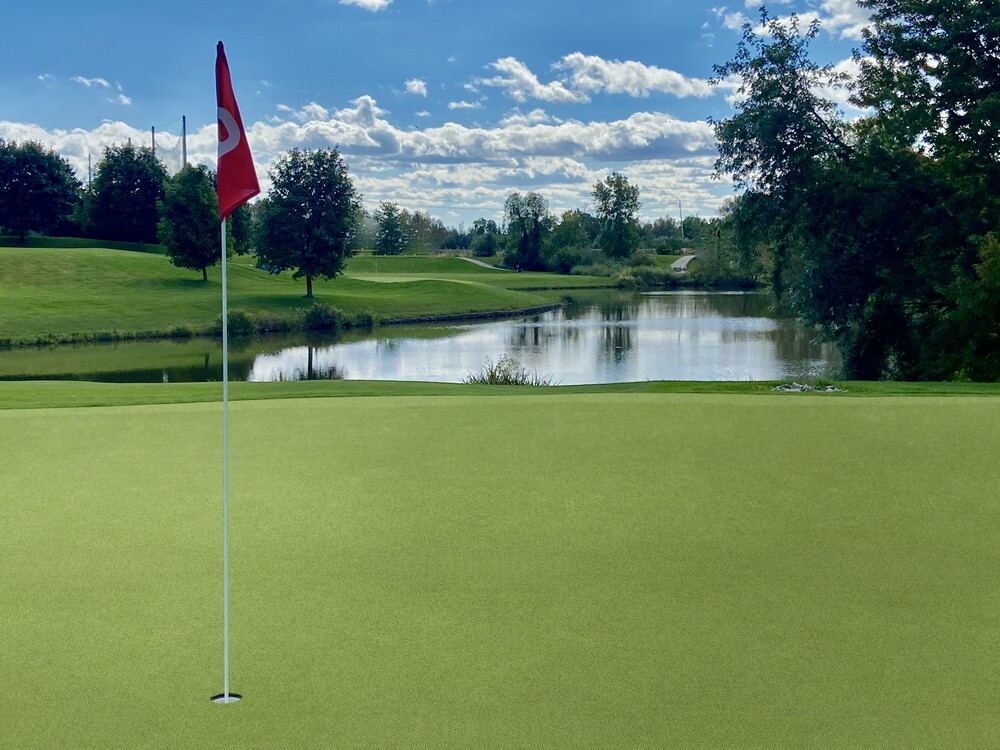
- Evergrass® Putting Green Turf 78: Polypropylene short-pile structure (50 oz. face weight / 78 oz. total weight) built for true ball roll on high-use greens.
The perfect artificial grass has resilient fibers, proper face weight, short pile height and a reinforced backing structure to provide reliable long-term performance. Explore MSI Evergrass® possibilities then find an MSI showroom to explore items in person or find a local authorized dealer near you to get your project started.
Frequently Asked Questions
What do you put under artificial turf?
For ground installations use 3 to 4 inches of compacted Class II crushed aggregate (granite or limestone) with a geotextile weed barrier on top. Use drainage cell mat or perforated underlayment for decking or concrete. All playgrounds require a rubber or foam cushioning pad beneath the turf.
What type of turf is best for heavy foot traffic?
70 oz. face weight is available. or higher with nylon or good grade polyethylene (PE) fibers and a pile height of 1.25 to 1.75 inches (home) or 0.5 to 1.25 inches (commercial) Look for a dual-layer polyurethane backing that has strong tuft bind strength and use nylon or polyethylene fibers over polypropylene (PP).
What's better than artificial turf?
It is contingent upon the application. In warmer climates, home lawns can be seeded with drought tolerant grasses such as Bermuda or Zoysia that can endure foot activity and require less water. Natural stone or porcelain pavers are low-maintenance, durable choices for walks and patios that absorb less heat. Quality artificial turf is still king for a lush, green lawn alternative all year long.
What is the best dynthetic turf you can buy?
The best turf is right for your exact level of traffic. For extensive home use, look for a PE fiber with a 70–90 oz. face weight and 1.25–1.75 in. height of pile. For commercial uses, select a nylon or nylon-blend grass with 90+ oz. face weight, low pile height (0.5-1.25 in.), reinforced backing and high UV / IPEMA ratings.
Does artificial turf deain rainwater?
Yes. Good commercial backings are factory perforated to drain water at rates of 30 to 280+ inches per hour depending on the product with the right slope (1-2%) and compaction of the underlying aggregate base.
What are the disadvantages of artificial grass?
In direct summer sun, artificial turf can reach 150-200°F, thus shading or wetting the surface is important. Other issues include possible environmental concerns (microplastic discharge, infill materials) and continuous basic maintenance such as brushing and cleaning.
Can weeds grow through artificial turf?
Yes, crabgrass and other weeds will grow through drainage perforations if a geotextile weed barrier is not used during installation. Organic material that accumulates on the turf surface can also serve as a host for airborne seeds, thus occasional sweeping and rinsing are vital.
How long does artificial turf last?
High quality artificial turf can last anywhere from 12-20 years in a typical home environment and 10-15+ years in commercial installations with proper upkeep. Active zones with undersized or low-grade turf can exhibit substantial wear in 3-6 years.
 SHARE
SHARE
 PIN
PIN
 TWEET
TWEET