Porcelain & Ceramic Tile Flooring for Every Space
See why designers and homeowners choose MSI’s porcelain & ceramic tile for luxury kitchens, spa-like bathrooms, and durable outdoor living spaces. MSI’s porcelain and ceramic tile collections deliver ... Read More
POPULAR CERAMIC AND PORCELAIN TILE
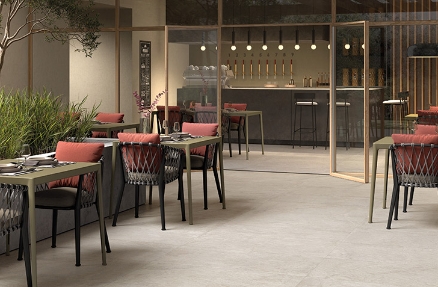
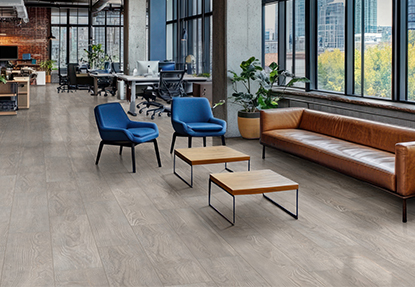
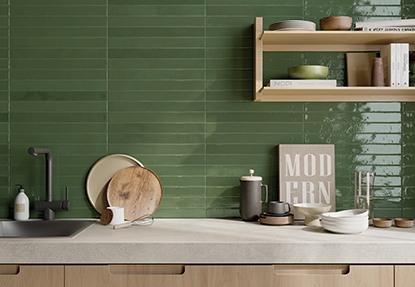
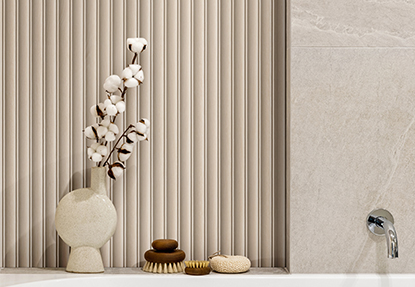
Whether you're renovating a kitchen, upgrading a bathroom, or creating an outdoor area, start with our most popular and highest-rated tile styles.
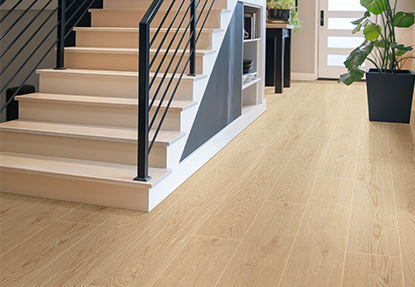
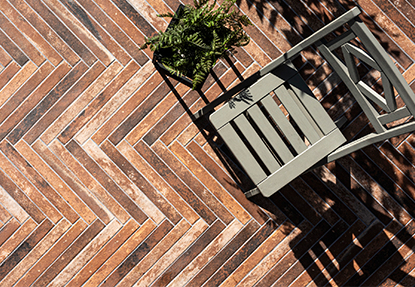
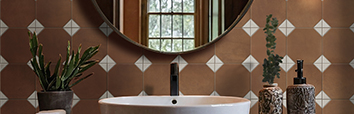
EXPLORE THE LATEST EMERGING STYLES
INNOVATIVE PORCELAIN PAVERS, SLABS, AND PANELS
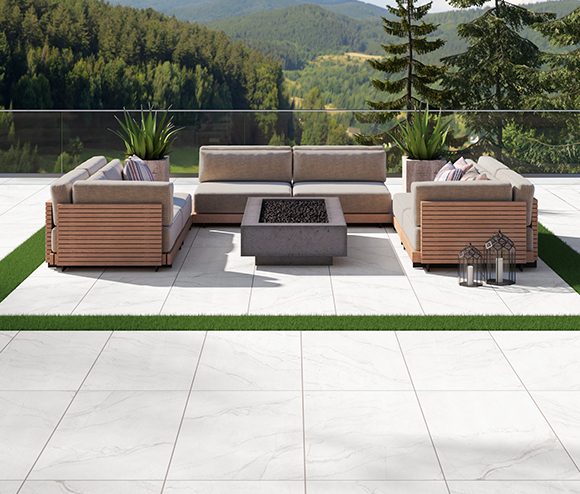
Arterra® Porcelain Pavers - Best For Outdoors
The ultimate outdoor tile that won’t crack, fade, or require sealing.
- Freeze-thaw resistant - Won’t crack in winter weather
- Fade resistant - Colors stay vibrant for years
- Slip-resistant - Even when wet
- No maintenance - No sealing required
- 2 CM thickness - For pedestal or sand-set installation
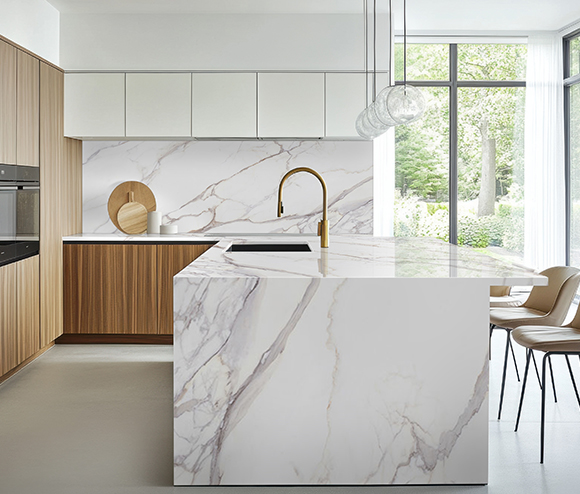
Stile® Porcelain Slabs - Best for Modern Kitchens
Ultra-thin slabs for seamless countertops, walls, and floors.
- Ultra-slim thickness - 12mm and 20mm thicknesses
- Large format - Up to 63" × 126" slabs
- Heat resistant - Perfect for kitchen countertops
- Scratch resistant - Durable for high-traffic areas
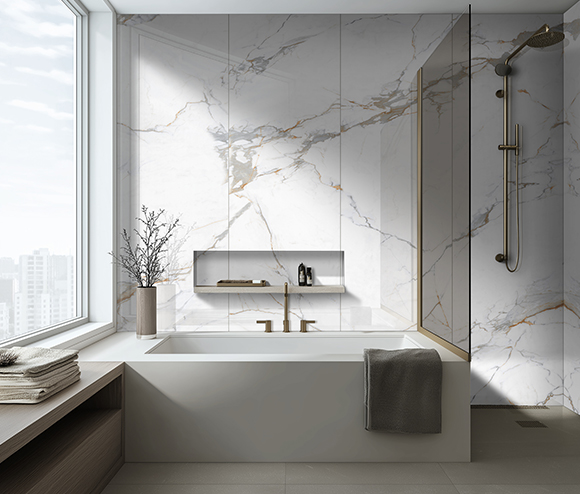
AquaLume™ Porcelain Panels - Best for Bathrooms
Waterproof panels for seamless shower walls and wet areas.
- 100% waterproof - No grout lines to maintain
- Easy installation - Convenient 4-panel system
- Scratch resistant - Durable finish
- Modern sizes - 32" × 72" and 32" × 96"
PERFORMANCE-DRIVEN TILE SURFACES
Next-Gen Surface Technologies
TileTouch™ Surface Technology
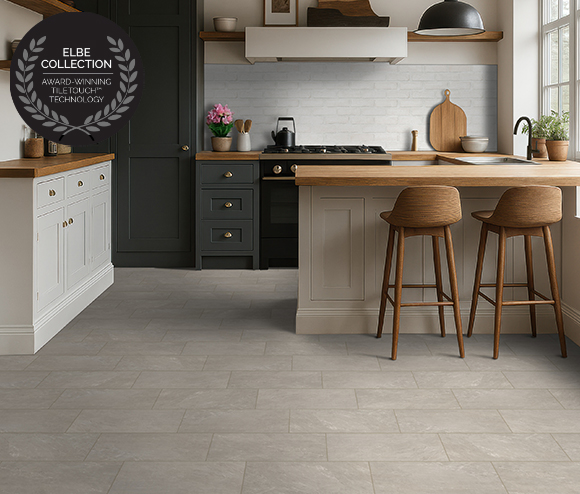
Next-generation realism that ensures every tactile detail aligns flawlessly with the tile’s visual design, creating an authentic, immersive experience that rivals natural material.
LEARN MORE →Lappato Finish
A velvety finish for porcelain tiles that creates a subtle texture between matte and glossy - offering a sophisticated, modern appearance with a tactile finish and enhanced depth.
DISCOVER MORE →ZeroSlip® Anti-Slip Technology
A proprietary technology that is exceptionally slip-resistant when wet. ZeroSlip® is engineered to be permanent, requiring no maintenance to maintain its performance for the life of the product.
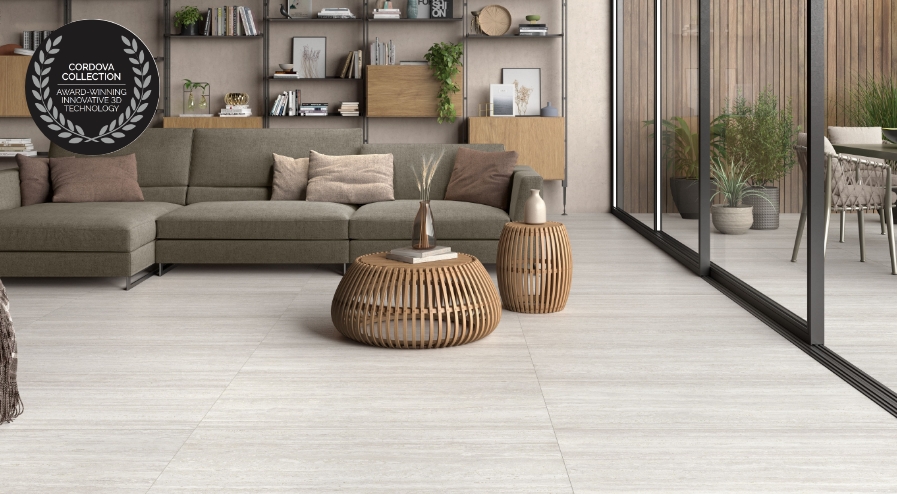
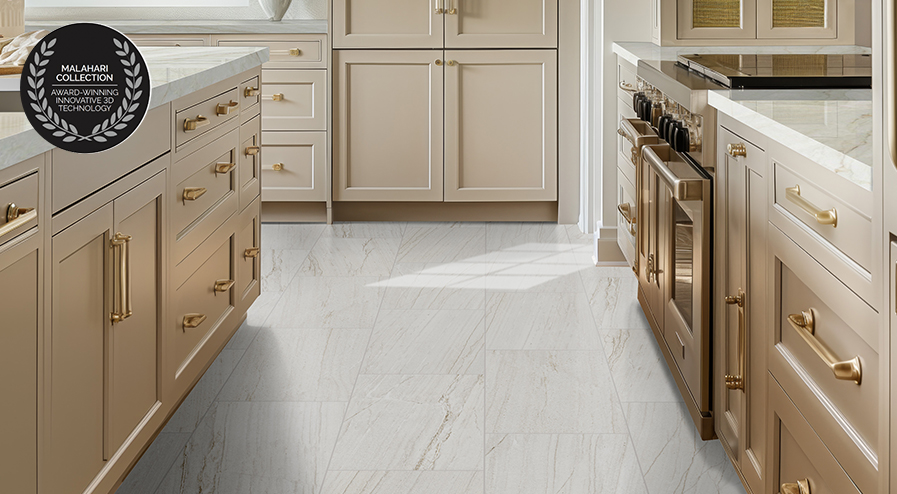
PAVERS →Award Winning Collections
PORCELAIN & CERAMIC TILE ON INSTAGRAM
PLAN YOUR TILE PROJECT
FREQUENTLY ASKED QUESTIONS ABOUT PORCELAIN & CERAMIC TILE
What is the difference between porcelain and ceramic tile?
Porcelain tile is denser, less porous, and more durable than ceramic tile, making it an excellent choice for high-traffic areas and outdoor applications. Most porcelain tiles carry a higher PEI (Porcelain Enamel Institute) rating, indicating superior resistance to wear. Ceramic tile is slightly softer and easier to cut, making it a versatile and cost-effective option for indoor projects with lighter to moderate foot traffic.
For more details on performance, installation, and application recommendations, refer to the available product and technical reports for each series.
What is the best tile for kitchen floors?
For kitchen floors, porcelain tile is the best choice due to its durability, water resistance, and easy maintenance. MSI's porcelain collections offer:
Best Options for Kitchens:
- Large format porcelain (24"+ tiles) for fewer grout lines and easier cleaning
- Matte or textured finishes for slip resistance
- Through-body porcelain to hide wear in high-traffic areas
- Stile® Porcelain Slabs for seamless countertops and floors
- Marble-look porcelain for luxury appearance without maintenance
- Wood-look porcelain for warmth with waterproof performance
What is the best tile for bathroom walls and floors?
For bathrooms, choose porcelain tile for superior water resistance and durability. MSI offers specialized bathroom solutions:
Best for Bathroom Floors:
- Slip-resistant porcelain with DCOF rating of 0.42+
- Large format tiles (reduces grout lines and maintenance)
- Textured surfaces for wet area safety
- AquaLume® Porcelain Panels for seamless shower walls
- Glazed porcelain for easy cleaning
- Subway and mosaic styles for classic appeal
- Low water absorption ('<'0.5%)
- Stain and scratch resistance
- No sealing required on glazed surfaces
What is the PEI rating, and why does it matter?
The PEI rating (Porcelain Enamel Institute rating) measures a tile’s resistance to surface wear. Ratings range from 1 (light residential use, such as walls) to 5 (heavy commercial use, ideal for malls or airports). For most residential floors, a PEI rating of 3 or higher is recommended. For outdoor porcelain tile and pavers, a PEI rating of 3 or 4 is typically suitable, depending on foot traffic and application. High-traffic indoor areas should use tiles rated 4 or 5 for maximum durability. For project-specific guidance, check the available PEI and technical performance reports provided for each collection.
What is the most durable tile for high-traffic areas?
Porcelain tile is the most durable option for high-traffic commercial and residential spaces. Look for these specifications:
Durability Features:
- PEI Rating 4-5 (heavy to extra heavy traffic)
- Breaking strength 250+ lbs
- Low water absorption ('<'0.5%)
- Through-body construction (wear doesn't show)
- Commercial-rated porcelain lines
- Large format tiles (fewer grout lines = less maintenance)
- Rectified edges for tight grout lines
What is the best outdoor tile that won’t crack or fade?
MSI's Arterra® Porcelain Pavers are specifically engineered for outdoor use and offer the best performance:
Why Arterra® is Best for Outdoors:
- Freeze-thaw resistant (won't crack in winter)
- Fade resistant colors that last for decades
- Slip-resistant surfaces for safety
- No sealing required (low maintenance)
- 20mm thickness for pedestal or sand-set installation
What is the difference between rectified and non-rectified tile?
Rectified tiles are mechanically cut to exact dimensions with perfectly straight edges, allowing for thinner grout lines and a seamless, modern look. Non-rectified tiles have slightly irregular edges due to traditional firing methods, requiring wider grout joints for installation and offering a more classic appearance.
What finishes are available—Polished, Matte, or Semi-Polished—and how do they differ?
- Polished tiles have a glossy, reflective surface that enhances color depth and creates a luxurious look, but they may be more slippery in wet areas.
- Matte tiles provide a soft, non-reflective finish with better slip resistance, making them ideal for bathrooms, kitchens, and outdoor spaces.
- Semi-polished (Lappato) tiles offer a balance between the two, with a subtle sheen that highlights the texture while maintaining practicality.
Can porcelain or ceramic tile be used on both floors and walls?
Absolutely. Both porcelain and ceramic tiles can be used for flooring, walls, and backsplashes. Large-format tiles are especially popular for walls, creating a seamless and modern look. Always check the PEI rating to ensure the tile is suitable for floor traffic.
What are porcelain slabs and panels used for?
Porcelain slabs, such as Stile®, are large-format surfaces ideal for countertops, flooring, and wall applications, offering a sleek and modern aesthetic. Panels, like AquaLume™, are designed for seamless wall and shower installations, reducing grout lines and simplifying maintenance.
How do I choose the best tile size for my space?
Tile size dramatically affects the look and feel of your space. Here's how to choose:
Small Spaces (under 100 sq ft):
- Large format tiles (24"+ or slabs) make spaces appear larger
- Fewer grout lines create seamless look
- Light colors enhance spacious feeling
- Any size works - choose based on design preference
- Extra large formats (48"+ or slabs) create dramatic impact
- Mixed sizes can define different areas
- Slabs: 63"x126" for ultimate seamless look
- Large format: 24"x48", 32"x32", 12"x48"
- Standard: 12"x24", 18"x18", 6"x24"
- Mosaic: 2"x2" up to 4"x4" for accents
How do I clean and maintain porcelain and ceramic tile?
Both tile types are low maintenance, requiring only routine sweeping and mopping with a mild detergent. Unlike natural stone, porcelain and ceramic do not require sealing, though grout lines may benefit from periodic sealing to prevent staining.
Are porcelain tiles eco-friendly?
Yes. Porcelain and ceramic tiles are made from natural materials and are often manufactured using eco-friendly processes. Their long lifespan and durability also reduce the need for frequent replacements, making them a sustainable flooring choice.