Best Backsplash Tile For Busy Kitchens: What Actually Lasts
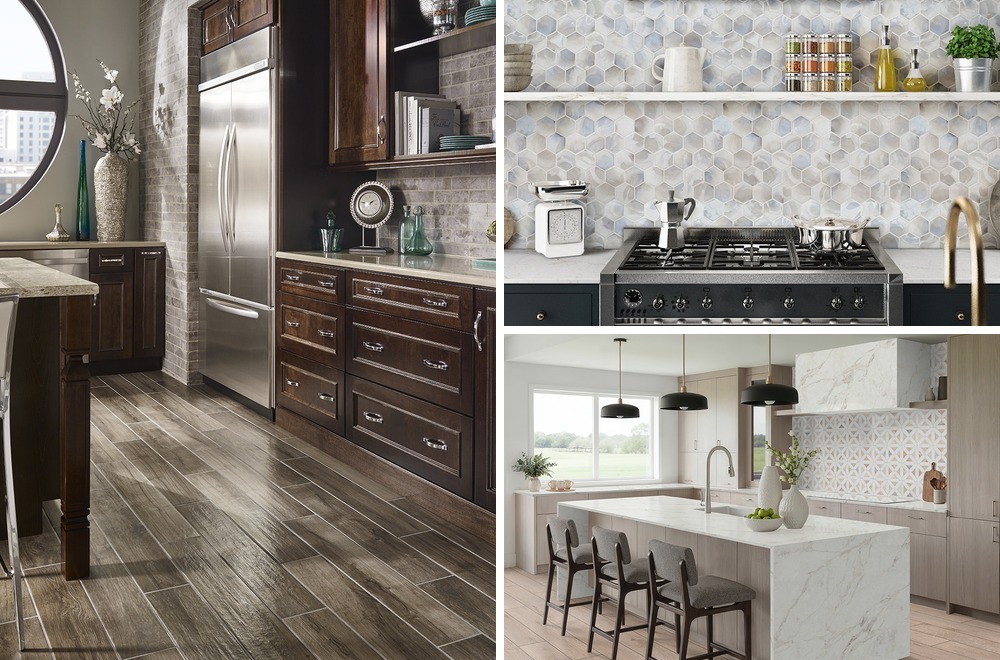
For busy kitchens, porcelain tile is the most durable backsplash option out there: it’s non-porous (water absorption ≤0.5%), heat-resistant, scratch-resistant, and the tile itself never needs sealing. For everyday cooking, glazed ceramic is the best value. Glass tiles resist stains, but fingerprints and streaks are more noticeable in high-traffic areas. Natural stone (marble, travertine) is the most maintenance-heavy option, requiring periodic sealing and remaining prone to etching from acidic kitchen spills. Use epoxy grout if you have tile in a busy kitchen to prevent grout staining.
How Durable Is Backsplash Tile?
The wall behind the stove in a busy kitchen takes more abuse on a daily basis than almost any other vertical surface — heat from the cooktop, grease from sautéing, acidic splatter from sauces, and repeated daily wipe-downs. Whether choosing a standard vs. full kitchen backsplash layout or planning a full renovation, long-term performance should be the deciding factor.
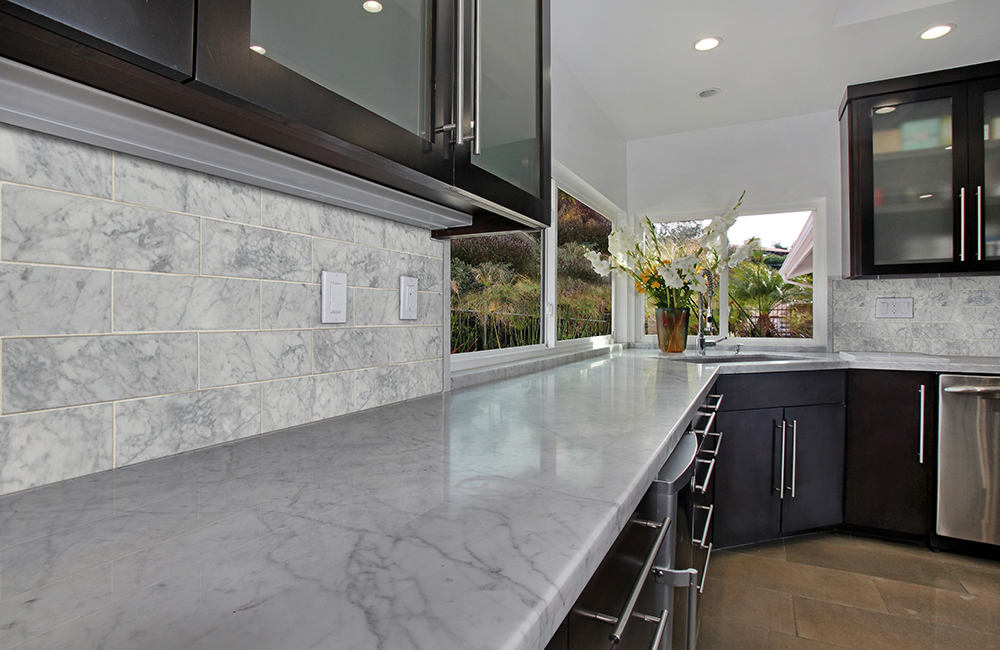
Carrara White Marble Subway Tile 4x12
Every material is measured against three non-negotiables to judge performance in a working kitchen:
- Heat Resistance: The tile needs to resist long exposure to the heat of a cooktop without cracking, discoloring, or breaking down. Kiln-fired materials are the winners here; self-adhesive options are not so good.
- Stain & Acid Resistance: The surface should resist everyday acid splashes (lemon juice, tomato sauce, vinegar). These spills are not a problem on non-porous or glazed surfaces, but porous materials will absorb spills, and sealing slows that down rather than stopping it.
- Cleaning: The backsplash cleans with one swipe. Surface texture, type of finish, and grout line volume greatly influence daily cleanup time.
For an in-depth look at tile coverage and layout considerations, see our comprehensive guide to kitchen backsplash tile.
Best Tile for Kitchen Backsplash — Ranked by Durability
When comparing materials for the best kitchen tile backsplash, durability and ease of maintenance are the most important factors. MSI’s backsplash tile collection offers a wide array of colors and patterns. The following options are ranked by their performance in active cooking environments:
1. Porcelain Tile — Best Overall for Active Kitchens
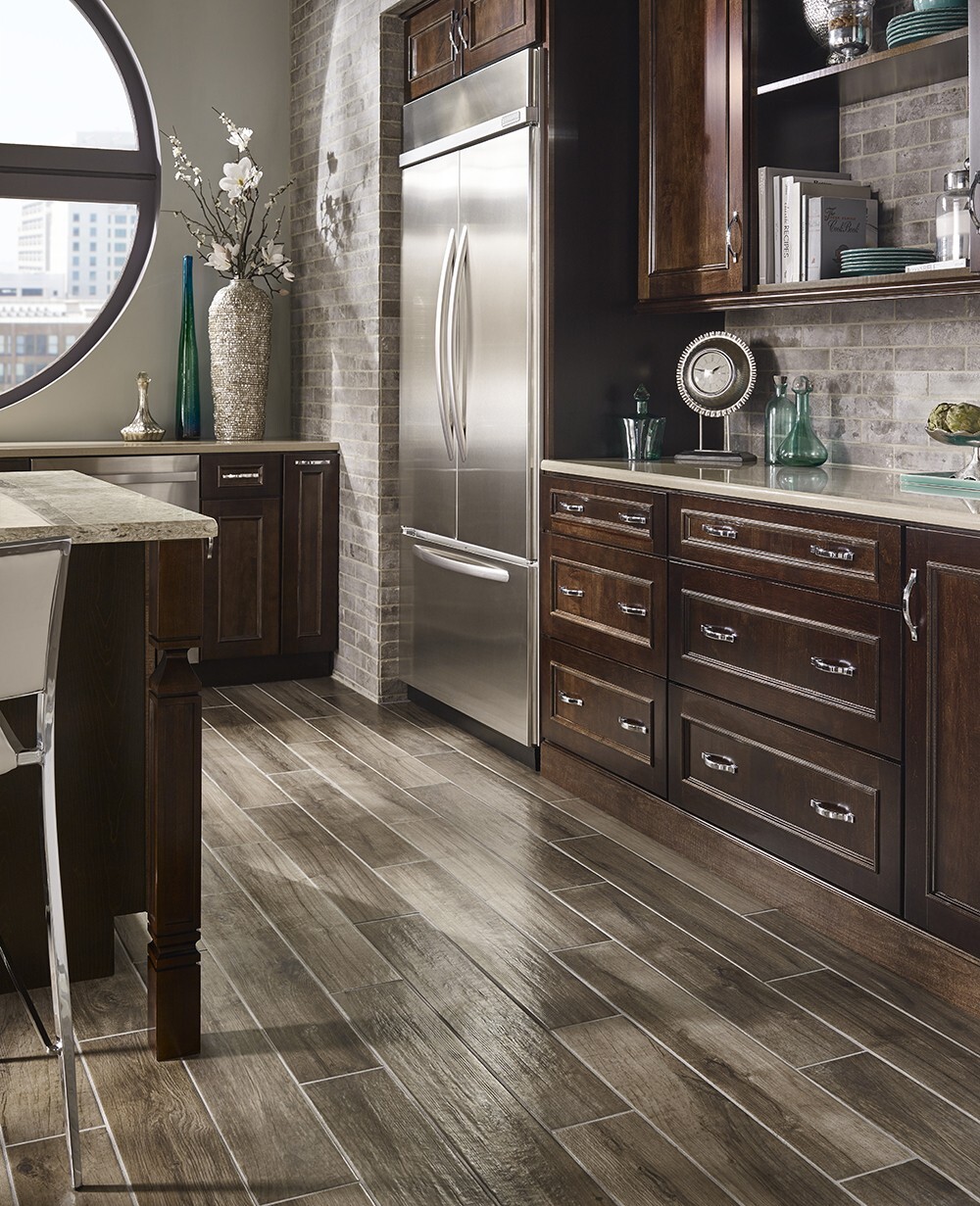
Brickstone Taupe 2x10 Brick Tile
Porcelain is fired at a high temperature and made from dense, refined clay with an extremely low water absorption rate of ≤0.5%. Since it is virtually non-porous, moisture, grease, or acidic spills are unable to penetrate the surface. It can withstand the direct heat of the stovetop, heavy scrubbing, and harsh kitchen acids without etching or losing its luster.
Porcelain is available in subway, large format, mosaic, and seamless porcelain slab backsplash options and offers unmatched durability. See MSI’s porcelain and ceramic backsplash tile collection for heavy-duty performance.
2. Ceramic Tile – Best Value for Everyday Use
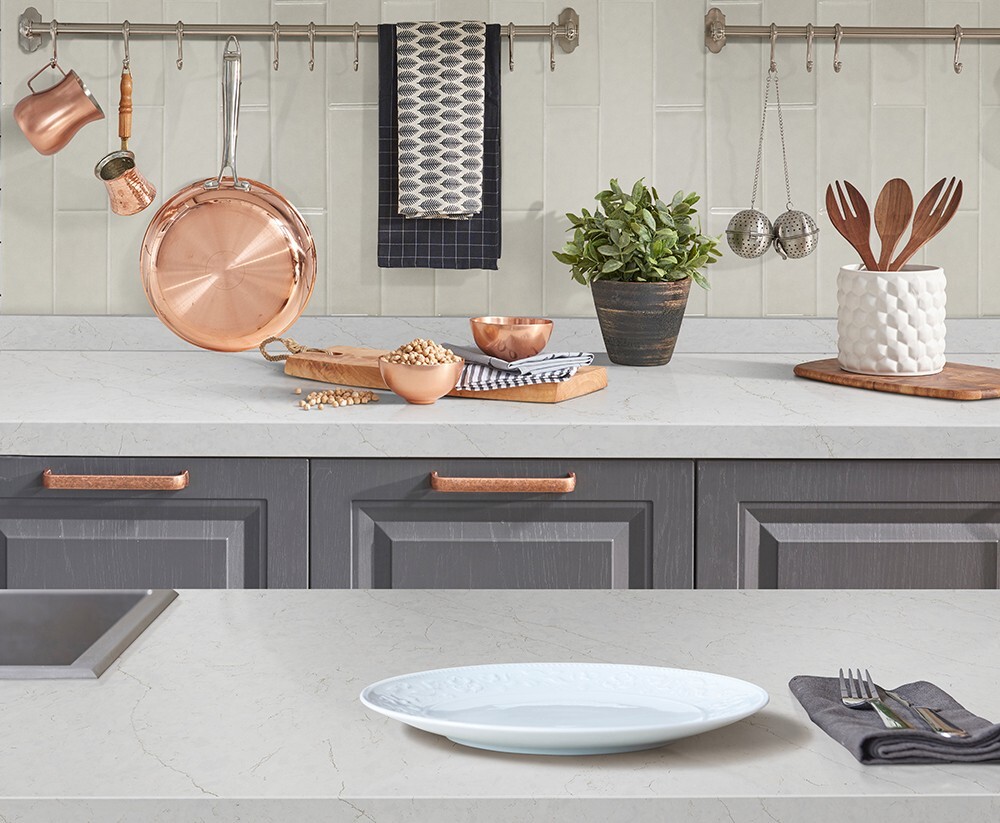
Ceramic is made from clay fired in a kiln like porcelain, but with less refined clay and fired at lower temperatures. Its body is still a little more porous, but a glazed ceramic face creates a non-porous, stain-resistant barrier. Glazed ceramic gives you near-porcelain durability at a lower cost. That’s why collections like MSI’s Highland Park Ceramic Kitchen Backsplash Tile are among the best picks for modern homes.
3. Glass Tile – Best Stain Resistance, More Noticeable Maintenance
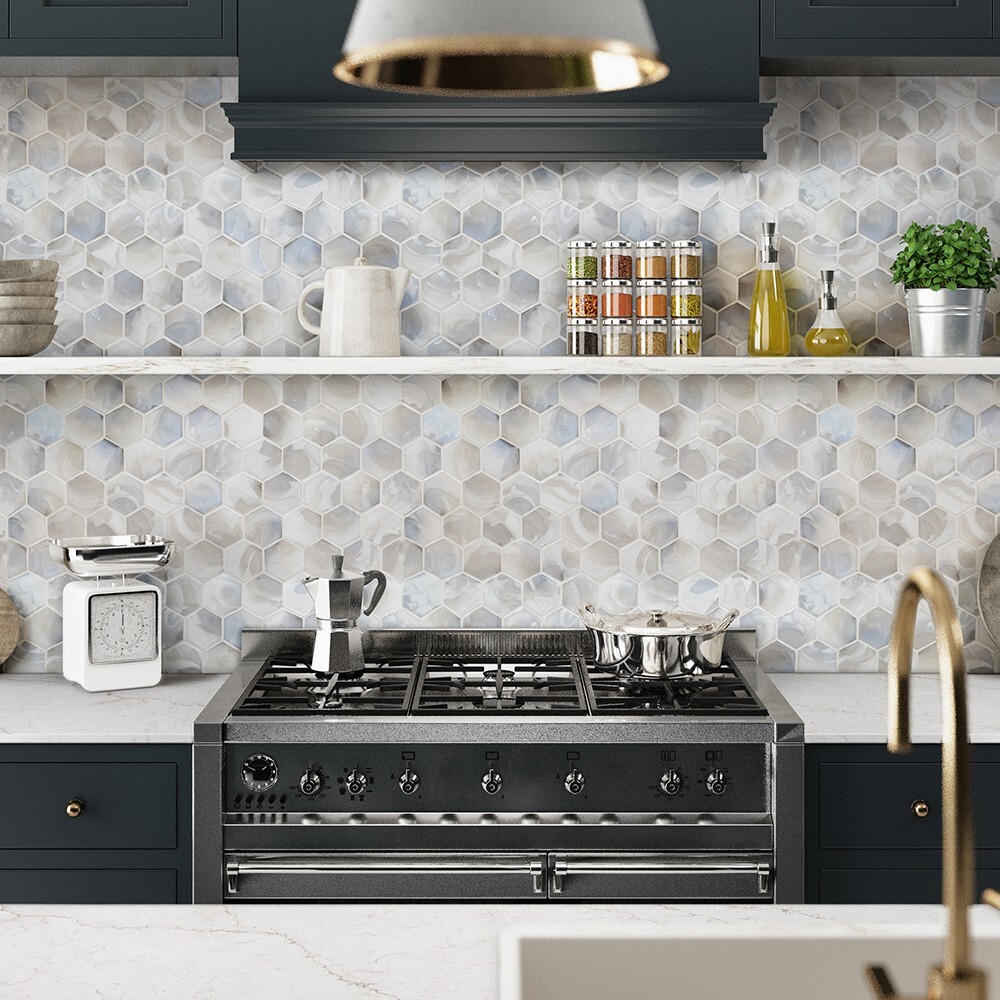
Akoya Pearl 3" Hexagon Mosaic Tile
Choosing glass backsplash tile for kitchen walls will give you total stain resistance. Glass is 100% non-porous, so grease and oils slide right off while bouncing light into smaller prep areas. But glossy glass easily shows fingerprints, water spots, and smudges, needing frequent spot-wiping behind active cooktops.
4. Natural Stone – High Design Value, High Maintenance
Natural stone (like marble or travertine) provides an organic character that is second to none. But stone is porous and needs to be sealed upon installation and re-sealed periodically, at a frequency that depends on the stone and how hard the kitchen works. Some foods have acids that can chemically etch polished stone surfaces, creating dull spots that need professional restoration. Stone must be cleaned immediately after any spills in a busy kitchen.
5. Metal Tile – Best for Heat Zones, Most Fingerprint Visibility
Stainless steel and metal mosaic tiles are tolerant of direct heat exposure—they resist cracking and warping when placed near burners. But metal surfaces are like glass in that they show every smudge and fingerprint, so they’re best used as accent bands behind a cooktop rather than full-wall surfaces.
Backsplash Tile Durability Comparison at a Glance
To help you find the best backsplash tile for kitchen performance, here's a quick reference for how each material holds up under daily use.
| Tile Material | Durability Rating | Heat Resistance | Stain & Acid Resistance | Ease of Cleaning | Seal Required? | Best For |
|---|---|---|---|---|---|---|
| Porcelain | Excellent | Excellent | Excellent (non-porous) | Very easy — one pass wipes clean | No | All zones; cooktop, sink, full wall |
| Ceramic | Good | Good | Very Good (glazed surface) | Easy | No | Everyday cooking areas; best value |
| Glass | Good | Good | Excellent (non-porous) | Easy, but shows smudges/fingerprints | No | Back of sink; small or dark kitchens |
| Natural Stone | Good–Excellent | Good | Poor–Moderate (porous; etches) | Moderate — immediate cleanup required | Yes (periodically) | Design accents; low-acid zones |
| Metal | Very Good | Excellent | Good | Moderate — fingerprints show | No | Cooktop accent areas |
Backsplash Tile White Kitchen — Does It Stain?
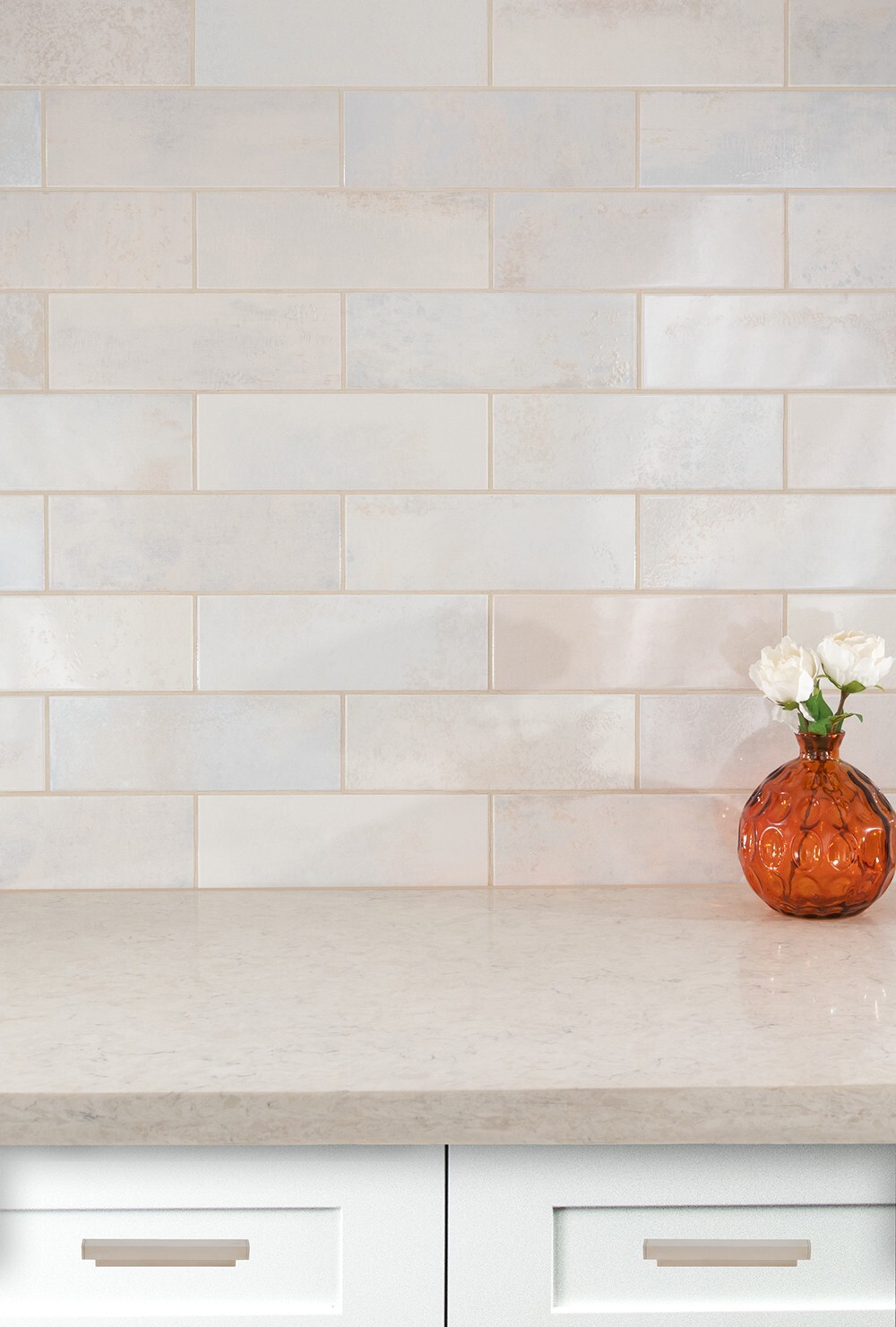
A backsplash tile white kitchen design is a timeless classic that brightens workspaces and coordinates with any cabinet finish.
Does white backsplash tile stain easily?
It all depends on the material you choose:
- Glazed Porcelain & Ceramic: Stain resistant. The glasslike glaze prevents absorption of pigments or oils and allows cooking splatters to be wiped away completely.
- White Natural Stone: Prone to staining. White marble and limestone will soak in oils and etch when acidic spills occur, leading to a slow darkening of the surface over time.
Grout Secret: White cement-based grout will stain over time near burners. You can counteract white tile with a mid-tone gray grout that will hide typical splattering from cooking. Or use non-porous epoxy grout to all but eliminate staining of the joints. Read more in our guide to choosing the best grout for backsplash tile.
Kitchen Backsplash Tile Patterns — What Works Best in Busy Kitchens
The layout of your kitchen backsplash tile patterns affects daily maintenance as much as appearance. The biggest factor is the volume of grout lines – more grout lines equal more surface area to clean:
- Large Format Tile (12×24 or Larger): Fewer grout lines for a smooth surface that wipes clean in seconds.
- Subway Tile (Running Bond): Classic, functional, and low maintenance. Rectified tiles have ground edges, allowing tighter grout joints than calibrated tile. For tips on joint width, see our comparison of sanded vs. unsanded grout for backsplash tile.
- Herringbone & Chevron: Provides a trendy look with the same surface durability as regular subway layouts.
- Mosaic Tile Layouts: Creates a high density of grout lines that require more detailed scrubbing behind stoves.
Style and color are subject to the same rules. In glazed porcelain, a green kitchen backsplash tile has the same structural durability as a white or gray version. For more color inspiration, see our best bold and blue backsplash tiles.
What Not to Do — Backsplash Ideas That Don’t Work in a Busy Kitchen
It is just as important to know which tiles to avoid as it is to choose the right material:
- Peel-and-Stick Vinyl Tile: Constant cooktop heat and steam exposure degrade the self-adhesive backing over time, leading to warping, curling edges, and grease entrapment within a few years. Once the backing fails, the tile can't be resealed — it has to be fully removed and replaced.
- Unsealed Natural Stone Behind the Stove: Cooking splatters are quickly absorbed by unsealed stone, resulting in permanent dark oil spots and dulled polished finishes.Restoring an etched or stained section typically requires professional honing, which can cost more than the original installation.
- Heavily Textured or 3D Relief Tile: With deep grooves, these dimensional tiles can capture airborne cooking oils in recesses that standard sponges can't get to easily. Over time, buildup in the grooves darkens the texture and becomes difficult to fully clean out even with a brush.
How Much Does Kitchen Backsplash Cost?
When determining the kitchen backsplash cost, it is important to weigh the initial cost of materials against the future cost of maintenance. Less expensive porous tiles can be more expensive over time with sealers and specialty cleaners.
| Tile Material | Material Cost (per sq ft) | Installation Labor (per sq ft) | Ongoing Costs |
|---|---|---|---|
| Ceramic | $2–$8 | $5–$15 | None if glazed |
| Porcelain | $3–$12 | $5–$18 | None — no need to seal |
| Glass | $7–$20 | $10–$20 | None — non-porous |
| Natural Stone | $10–$30 | $15–$25 | Periodic sealing ($50–$200/application) |
| Metal / Stainless | $15–$40 | $12–$25 | None — typically used as an accent |
Total Installed Costs (for an average 30–40 sq ft kitchen backsplash):
- Ceramic: $250–$900
- Porcelain: $300–$1,200
- Natural Stone: $750–$2,500+
Porcelain generally offers the best durability per dollar over the life of the installation.
Select the Best Backsplash Tile for Kitchens with MSI
Matching your everyday cooking habits with high-performance materials means choosing the right tile for your kitchen. For more inspiration, see our guide to 10 beautiful kitchen backsplash tiles for every style.
The best tile for backsplash in kitchens can deliver the durability, easy maintenance, and lasting style a busy kitchen demands. Explore MSI’s porcelain, ceramic, glass, and natural stone options, then find an MSI showroom to see products in person or find a local authorized dealer near you to begin your kitchen project.
Frequently Asked Questions
What is the best tile for a kitchen backsplash?
Porcelain tile is the best choice for heavy daily cooking. It is non-porous, heat resistant, acid resistant and low maintenance. Glazed ceramic gives the best performance for the price.
What is the easiest kitchen backsplash tile to clean?
The easiest surfaces to clean are impervious glazed surfaces such as porcelain and glass, as they do not absorb oils or liquids. Use epoxy grout for the joints to prevent staining of the joint lines.
Glossy vs. Matte Tile – Which is more practical behind a stove?
Glossy tiles are often more practical behind a cooktop because their smooth surface lets you wipe off splatters in a single pass. Matte finishes hide everyday smudges but may need some extra scrubbing to get rid of dried-on residue.
Can you paint kitchen backsplash tile?
Painting tile is a quick fix. Even when using special bonding primers, painted tile exposed to heat, moisture, and aggressive scrubbing near a cooktop typically begins to peel within a few years.
What is the best tile for outdoor kitchen backsplashes?
Recommended is a verified porcelain tile with a freeze-thaw rating and exterior moisture specification. Standard indoor ceramics and tiles with self-adhesive backing are not rated for exposure to outside weather.
Will white backsplash tile get stained in a busy kitchen?
White glazed porcelain and ceramic tile resist staining. The main problem is white cement grout that discolors near stoves if not sealed. To correct this, use gray grout lines or non-porous epoxy grout.
What tile is best for a small kitchen backsplash?
Larger-format (12×24) glossy, light-toned porcelain or glass tiles bounce light and cut down on visual clutter, helping small kitchens feel open and bright.
How long does kitchen backsplash tile last?
Properly installed glazed porcelain and ceramic tile can last the lifetime of the home—75 years or more—without losing structural integrity.
Can you tile over an old kitchen backsplash?
Yes, if the existing tile is in good condition, fully bonded, and free of cracks. Adding tile over existing material increases wall thickness by 3/8” to 1/2” and necessitates outlet box extenders.
How much does kitchen backsplash tile installation cost, not including the tile?
Professional labor to install a kitchen tile backsplash typically costs $5 to $20 per square foot, excluding the cost of the tile. For a standard 30- to 40-square-foot backsplash, labor generally ranges from $150 to $800.
 SHARE
SHARE
 PIN
PIN
 TWEET
TWEET