DIY Guide: How To Install Stacked Stone Ledger Panels
 Sunset Silver Stacked Stone
Building homes with natural stone has been a cherished tradition for centuries, beautifully reflected in our traditional and historical architecture. From small stone cottages to grand cathedrals, natural stone has played a key role in providing strength and durability, while creating warmth and charm that only natural stone can. Now, with the advent of natural stacked stone ledger panels, you too can elevate your home to achieve the same grandeur and elegance found within these masonry marvels.
Exterior Installations
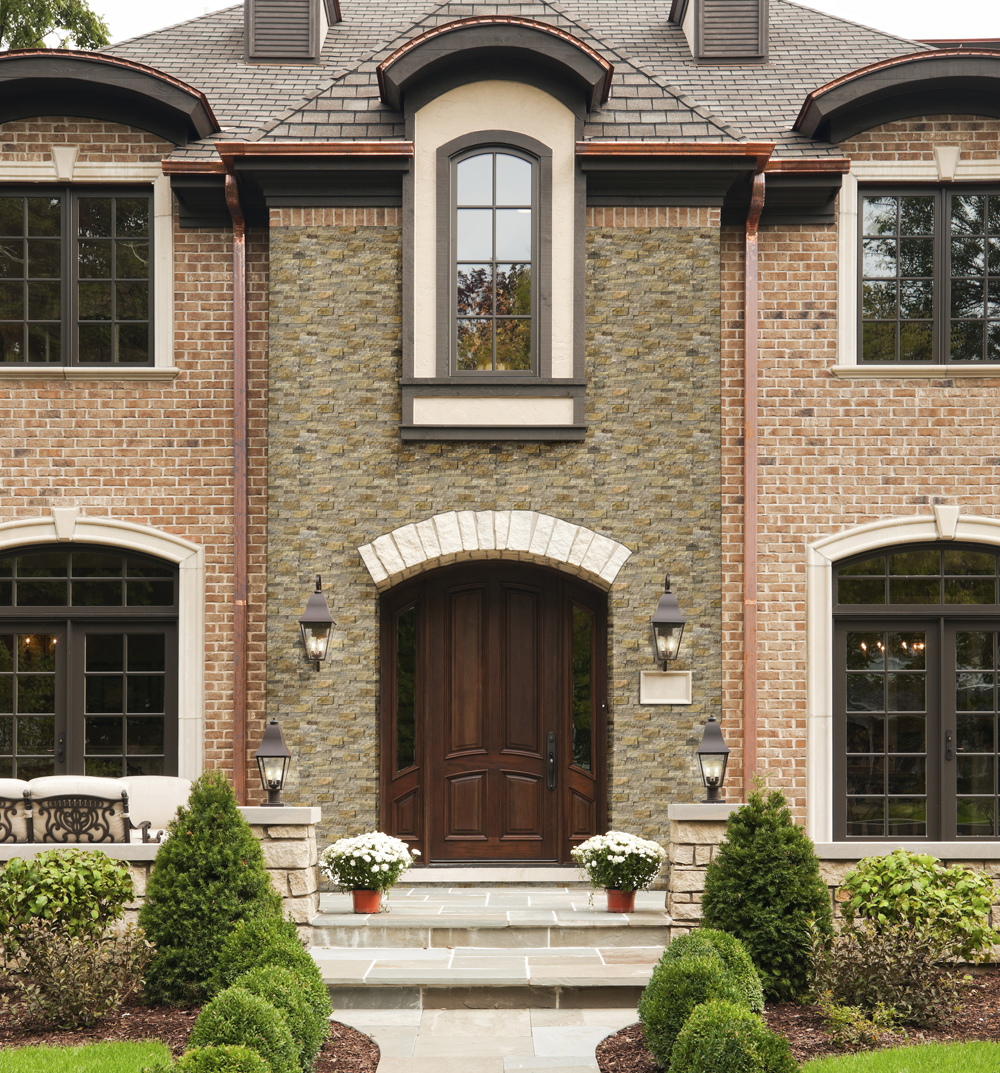 Tuscany Scabas Stacked Stone
If you plan to install stacked stone on your home's exterior, verify adherence to your local building codes for Adhered Masonry Veneer and review the Building Stone Institute's Adhered Natural Stone Installation Guide, especially if you are also asking Can Stacked Stone Be Installed Over Brick?. A water-resistant barrier, along with penetration and junction flashings, must be installed to ensure a watertight seal, and homeowners should also understand do you need to seal outdoor stacked stone before completing an exterior project. If using concrete backing boards as a substrate, follow the manufacturer’s installation requirements. Ensure the mortar meets or surpasses ANSI A118.15 standards, such as Custom Building Products PRO-LITE Large Format Tile and Stone Mortar. After completing the exterior stacked stone panels, seal the surface with a penetrating sealer.
“Step-By-Step” Installation Guide
 Colorado Cream Stacked Stone
In this installation guide, we will walk you through each step of how to install natural stacked stone panels, starting with the essentials covered in Supply List For Installing Stacked Stone Veneer Panels. With the right guidance and tools, installing our stacked stone can be easy—even if you’re working with small stones to fill tighter spaces or add finishing touches.
Overview
- Calculating the number of stacked stone flat panels and corners required
- Preparation of the work area and wall surface
- Setting a level line
- Stacked stone panel and corner installation
Tools You'll Need for a Smooth Installation
- Eye Protection
- Hand Protection
- Drop Cloths or Heavy-Duty Construction Paper
- Level
- Pencil
- Chalk Line
- Tape Measure
- Hand Brush
- Motor Trowel
- Rubber Malet
- Stone Chisel
- Wet Tile Saw
- Mixing Bucket
- Mortar Mixer
- Shims
- Cleaning Sponge or Cloth
Step 1. Figuring out how many panels you'll need
Calculate Surface Area:
- Measure the height and width of each wall where the panels will be installed.
- Multiply the height by the width of each wall to get the individual surface areas.
- Add all the individual surface areas together to get the total surface area. This will give you an estimate of how much paneling you will require.
Projects Without Corners:
- Standard panels are about one square foot each, so the total number you'll need is roughly equal to the surface area in square feet. Since XL Rockmount panels cover 1.5 square feet, just divide your total square footage by 1.5 to find out how many XL panels you'll need.
Projects With External Corners:
- Measure the height of the outside corners from floor to ceiling.
- Each corner panel measures 6 inches (0.5 feet) in height, so multiply the height of each corner by 2 to find out how many corner pieces are required.
- Determine the total area of corner panels by multiplying the number of panels by 0.75 square feet each, since each covers that area.
- Subtract the area of the corner panels from the total surface area to determine the number of flat panels needed.
- Because each XL Rockmount corner piece stands 9 inches (0.75 feet) tall, multiply the total corner height (in feet) by 1.3 to find out how many corner pieces you'll need.
Order Extra Panels:
- To accommodate waste and cuts, it's advisable to order 10% extra material beyond the calculated amount.
Calculate Thin Set Requirement
- After determining the total area to be covered by stacked stone, use that square footage to ensure you purchase enough thin set.
Step 2. Prepare for Installation
Protect the Floor:
- When installing indoors or over finished floors, use drop cloths or heavy-duty construction paper to shield the flooring from potential damage and falling thin set.
Prepare the Wall:
- Make sure to clean the wall thoroughly until it's dry, dust-free, and free of debris.
- Ensure the substrate (the surface to which the panels will be adhered) is suitable for good adhesion, such as cement block walls or cement board, and review Can you install stacked stone directly onto drywall? before choosing a wall surface.
- If using cement boards, secure them to the wall with backer board screws, ensuring they are firmly attached.
- Fill the joints between backer boards with mortar and embed tape as per the manufacturer’s instructions to create a smooth, continuous surface.
Install Fixtures:
- Install any mantels, wall fixtures, or trim before starting the panel installation. This ensures that the panels can be installed up to these fixtures seamlessly.
Step 3. Pre-Installation Layout
Layout Panels:
- Arrange the panels randomly on the floor in front of the project area. This mimics how they will appear on the wall and helps you imagine the finished look.
- Blend and examine the panels to confirm they align properly and produce a unified appearance.
Create a Reference Line:
- Set the first row of panels against the wall. Use shims if necessary to make sure the panels are level from one end to the other.
- Once the first row is level, draw a chalk line across the top of it. This line will be a reference point for installing the following rows.
- Once finished, remove the panels and corners in preparation for installation.
Mix the Thin-set:
- Mix the thin-set mortar following the manufacturer’s instructions. We recommend ProLight stone mortar for its quick adhesion, which prevents sagging or slipping, and for its strong bonding capability.
- Only mix small batches of the thin set at a time to prevent it from starting to cure during installation.
Step 4. Panel Installation
- Start each row with the corner pieces for projects that have outside corners.
- Use a masonry trowel to spread a thin layer of thin-set on the wall where the panel will go, and also apply a thin coat of thin-set to the back of the panel with a motor trowel.
- This method guarantees that, when the panel is mounted on the wall, all voids within it are filled, ensuring good contact with the wall.
- Press the panel into position and gently tap it with a rubber mallet to make sure it's securely attached and level, along the chalk line.
- If there are no exposed corners, begin by cutting a straight edge on the first panel to ensure it lines up perfectly with the neighboring wall and follows the level line.
- Repeat this process for the remaining panels, interlocking each as you proceed and using thin set in the same way.
- Use shims and spacers as necessary to keep the chalk line level.
- Use a wet tile cutter to trim panels at the ends if needed, ensuring a proper fit.
- Install panels on both walls at inside corners until only small gaps remain for the final pieces.
- Measure and cut the pieces to maintain a half-inch gap from the nearby wall.
- Use a chisel to round off sharp corners for a more precise fit.
- Continue installing panels row by row, starting with corner pieces if applicable, followed by the flat panels.
- When attaching external corners for the next rows, make sure to rotate the corner piece 180 degrees to prevent visible seams between them.
Temporary Support:
- When installing panels above openings like doors, windows, or fireplaces, it's helpful to add some temporary support underneath. This will prevent sagging and ensure the panels stay in place until the thin-set has fully set. Taking this small step can make a big difference in the final look and durability.
Cut Around Fixtures:
- Cut the panels to fit around any pre-installed wall fixtures, such as fireplace mantels to ensure a clean finish.
Common Installation Issues
By following these four simple steps, you can avoid some common issues with stacked stone installation. These problems include gaps between panels, difficulty aligning corners, the zipper effect where panels slip during installation, and issues caused by starting your project in the wrong area. Proper planning and using the correct installation process are essential to preventing problems in natural stone products. Take your time and carefully follow each step to ensure a flawless installation. Always remember to measure and double-check before making cuts or installing panels.
Something To Suit Everyone
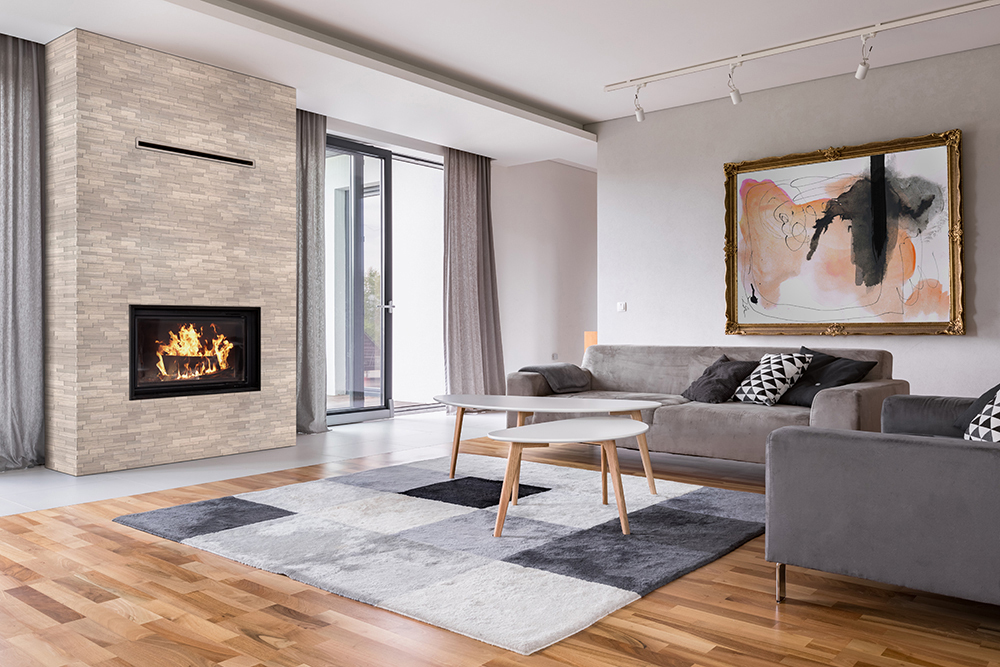 White Oak 3D Mini Stacked Stone
Transform your space with our stunning selection of natural stone products, crafted to suit any location and match any style. From striking accent walls to sophisticated stacked stone veneer fireplaces, our varied range provides the ideal solution for your project. Browse a wide variety, including Arctic White, California Gold, Sedona Gray, and many more. Whether you're a passionate DIYer or an experienced mason, our stone ledgers are exceptionally easy to install, ensuring a smooth and hassle-free experience.
How to Learn More About Our Products
Discover the elegance of our stacked stone panels by chatting with us online, visiting an MSI showroom, or contacting an authorized MSI retailer in your area.
READ MORE ABOUT STACKED STONE
Exploring The Distinction: Stacked Stone vs. Stone Veneer with MSI’S Rockmount™ And Terrado® Collections
Going Large With XL Rockmount™ Stacked Stone Panels
7 Most Popular Uses of Stacked Stone
Stacked Stone: A Natural Choice for both Interior and Exterior Projects
 SHARE
SHARE
 PIN
PIN
 TWEET
TWEET