Pros And Cons Of Quartz Countertops: A Complete 2026 Guide
June 14, 2025Updated By 10/07/2026
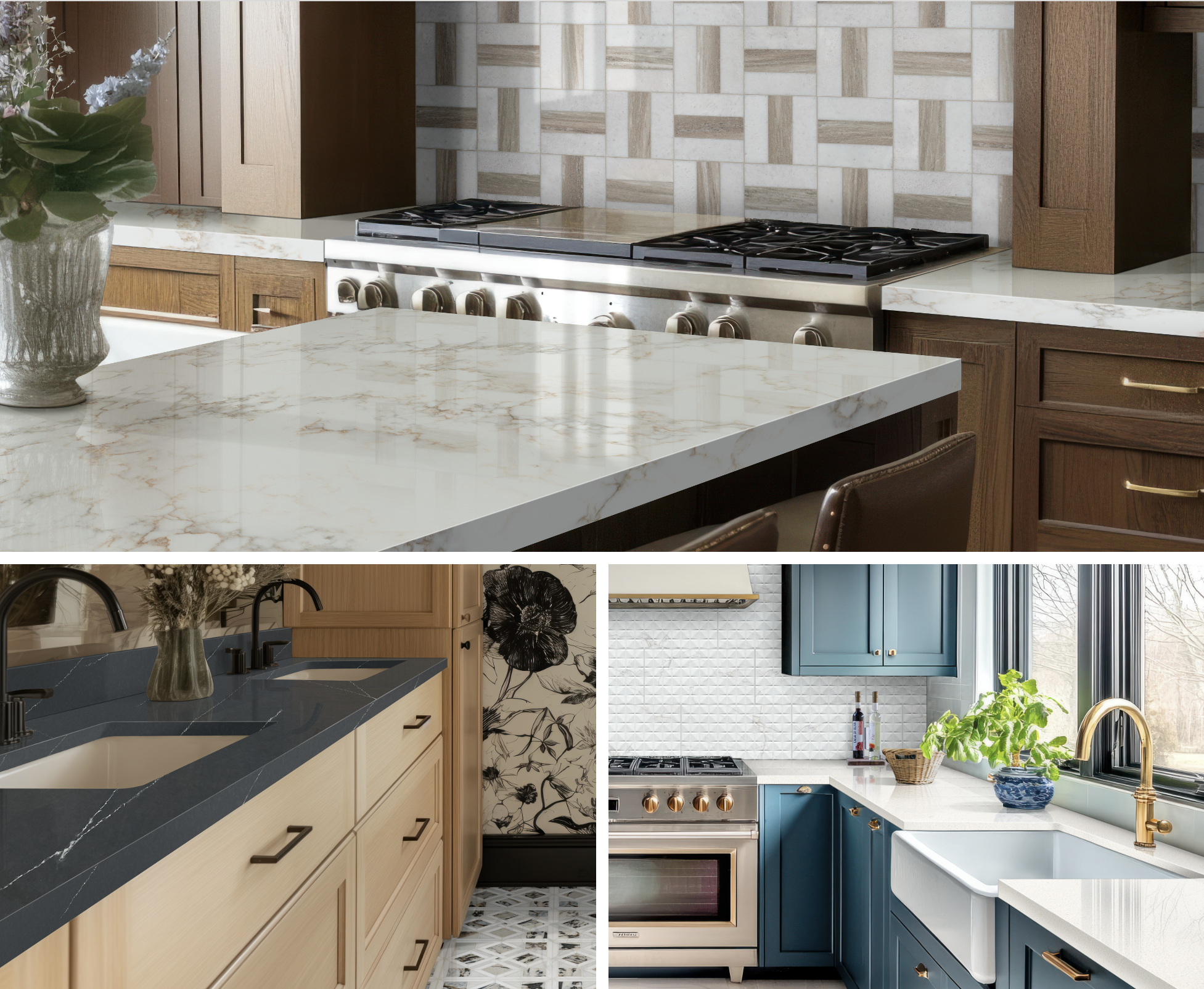
Quartz has transformed the interior design industry, merging the natural beauty of stone with the demands of modern living. Engineered quartz countertops offer the “best of both worlds,” while traditional slabs are subject to nature’s whims. The manufacturers blend crushed natural minerals with high-performance resins to produce a surface that is virtually indestructible and can be customized. Whether you’re a homeowner designing the kitchen of your dreams or an architect searching for materials for a high-end commercial space, knowing the pros and cons quartz countertops can provide a level of consistency and durability that natural stone can’t match.
Quartz Countertops Pros and Cons at a Glance
Quartz is maintenance free, stain resistant, and 100% non-porous, with a sealed-for-life surface that never needs to be reapplied, which are the main benefits. Trade-offs? It is sensitive to extreme heat (above 300°F) and UV sensitivity so not recommended for outdoor use. Granite, on the other hand, has less predictable patterns and better anti-microbial protection than quartz.
| Pros | Cons |
| Non-porous and stain resistant | Heat senstive |
| Low maintenance (no sealing) | Not ideal for outdoor use |
| Highly durable and scratch resistant | Higher upfront cost |
| Consistent colors and patterns | Seams may be visible |
Material Engineering: What is a Quartz Countertop?
Granite and marble come from the earth, but what is quartz countertop material made of? Quartz is a polished stone. It begins with hard raw quartz, bonded together by vacuum compression and high performance resins and pigments.
Manufacturers turn these elements into a vibrating solid, high-density slab, creating surfaces that mimic the graceful veining of marble or the industrial grit of concrete. It's an engineering process that gives you a level of structural strength and consistency you rarely see in raw stone.
Beyond the Surface: The Perks of "Engineered" Perfection
Engineering is more than what you see; it’s how it works in a busy kitchen or light commercial environment. Quartz is a man-made material and has many advantages over natural materials:
- Structural Uniformity: Natural stone has hidden fissures or “soft spots” that tend to crack during fabrication. Quartz is the same from slab to slab, which makes it a very reliable material for intricate cuts, long runs or dramatic waterfall islands.
- Total Color Control: From the dramatic depth of black quartz countertops to the coastal feel of blue quartz countertops, or the inviting feeling of warm colored quartz countertops, you’re not at the mercy of a quarry’s whims. You're choosing a design that is built to scale.
- Built-in Defenses: The resins used in the process create a permanent, internal seal – no annual re-sealing required, unlike granite. (See below for what this means for everyday life.)
The Advantages of Quartz Countertops: Why It Reigns as the King of Modern Design
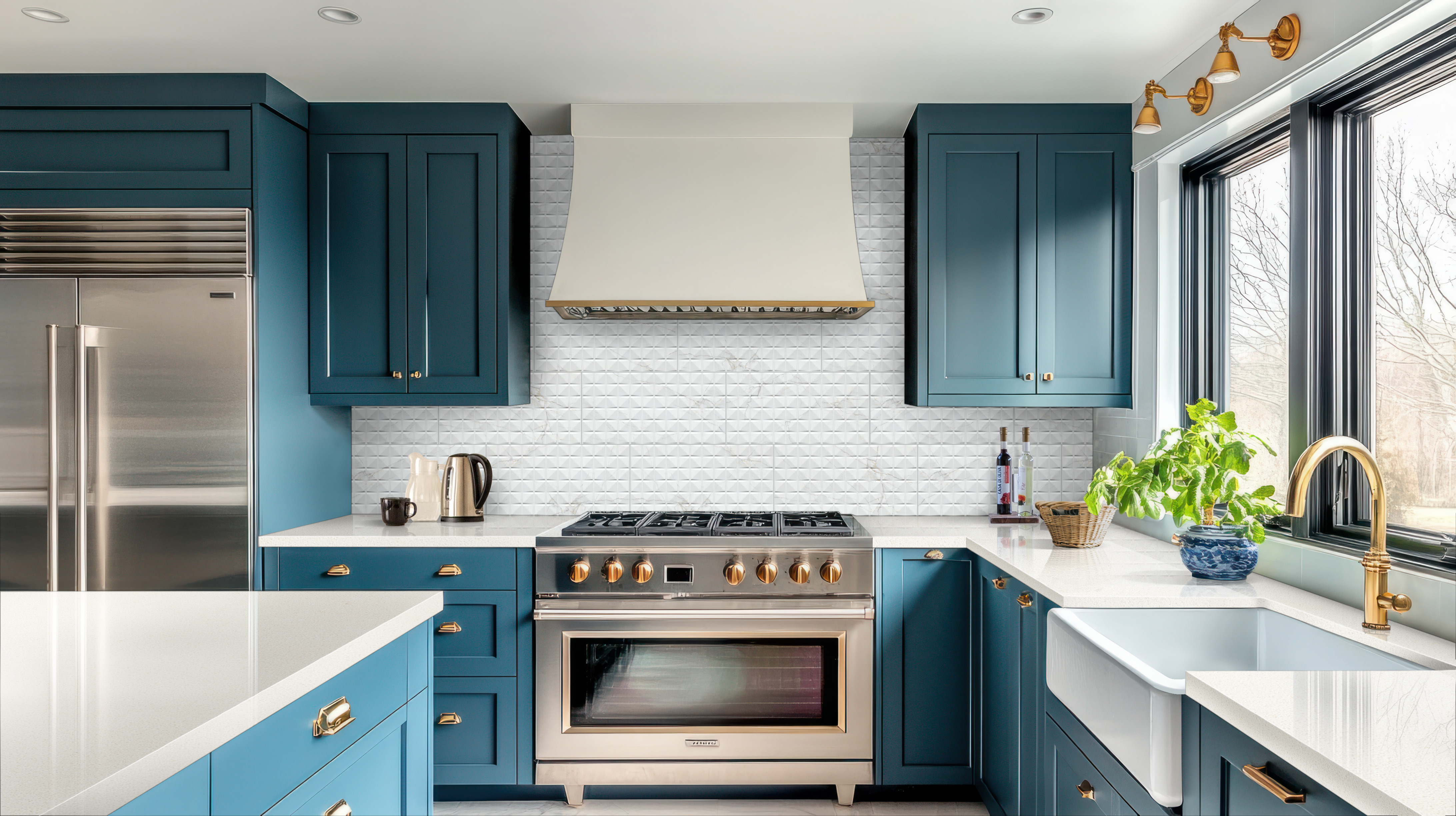
Quartz is not a passing trend. It addresses the pain points of traditional stone. Here’s what busy, high-traffic homes love about MSI’s Q™ Quartz and Q+ Engineered Stone:
Non-Porous and Stain Resistant
Quartz is non-porous, creating a permanent barrier to the chaos of a working kitchen. Marble might cringe at a red wine spill or a squeeze of lemon juice, but quartz does not. Liquids don’t tend to soak into microscopic pores so you can wipe away spills with a damp cloth and no special cleaners needed. Check out how to clean quartz countertops for more information.
Quartz Countertops Are Extremely Durable
Quartz is one of the hardest minerals on earth, which means you get an indestructible workspace. It's much more "flex-resistant" than natural stone, so less apt to chip or crack if a heavy cast-iron skillet hits the edge. Whether it’s homework, meal prep or a holiday party, quartz countertops durability is built to withstand the friction of everyday life and still look good.
Low Maintenance (No Sealing Required)
Perhaps the greatest luxury of quartz is the gift of time. Natural stones, such as granite or marble, are “living” materials and need an annual sealer to keep them protected. Quartz requires no sealing, waxing or buffing. Once it is installed, it is locked into its protective properties.
Consistent Design and Color Options
If you are looking for consistency in color, pattern and overall look then quartz countertops are a great option for homeowners. Manufacturers engineer quartz from natural quartz crystals, resins and pigments, allowing them to create a slab with a uniform look that is hard to achieve with natural stone. Also, a multitude of design possibilities arise from the controlled manufacturing process, from solid colors and subtle patterns to realistic marble and granite inspired veining. Quartz is available in a variety of styles to suit almost any design preference, whether you want a modern, traditional or contemporary look.
Quartz Countertops Negatives (Things to Consider)
Heat Sensitivity
Quartz is very hard, but the resin binders have a “comfort zone.” Thermal shock, which can cause discoloration or fine cracks, can occur at temperatures over 300°F.
The Pro Tip: Treat your quartz like a fine wood table, always using a trivet or hot pad for slow cookers, air fryers or pans right out of the oven to protect your investment.
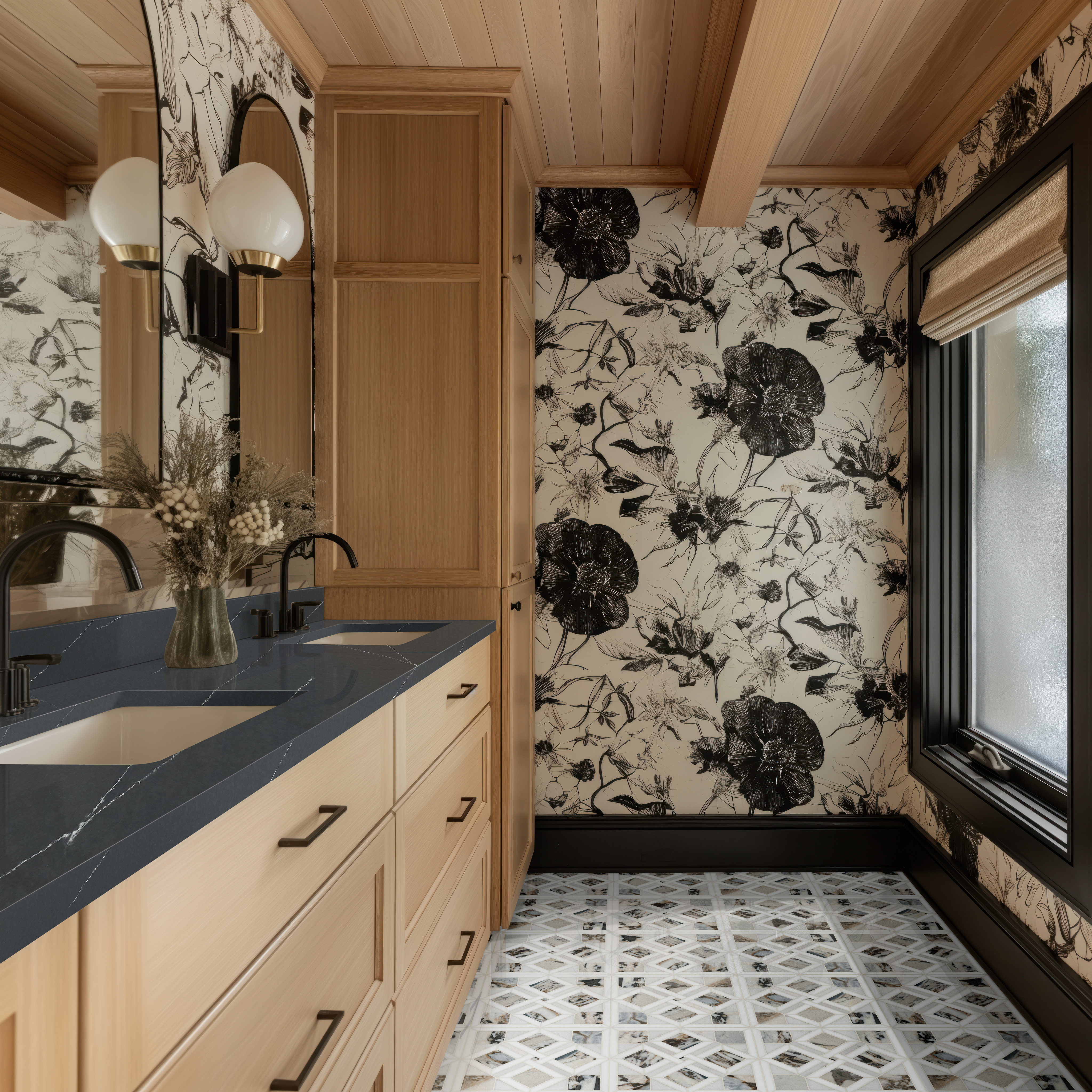
Soapstone Metropolis Concrete Finish Quartz
Not Suitable for Outdoor Use
Think of quartz as a true work of art for the indoors. Resin parts may yellow or fade over time if exposed to direct sunlight and UV rays for extended periods of time. For outdoor kitchens and patios opt for elements-rated materials such as natural stone or porcelain so your surfaces don’t degrade under the sun.
Higher Initial Price
Quartz countertops cost is more expensive to install upfront compared to laminate, tile, or entry-level granite. But you want to look at this from a long term value standpoint. Considering the lack of costly annual sealants and its extreme resistance to chips and stains, quartz more than pays for itself over its lifetime in the “saved” maintenance costs.
Visible Seams in Large Installations
In some very large or complex kitchen designs joint lines (seams) are sometimes unavoidable. Slabs are generous in size to reduce this, but bold patterns may show a seam more than a dark, speckled granite.
The Solution: Collaborate with a skilled fabricator to book match the veining at the seams turning a functional necessity into a beautiful, intentional design element.
Quartz vs Granite: The Ultimate Showdown
Granite wins in terms of heat tolerance and the raw, one-off geology of the Earth. Quartz scores well on uniformity and maintenance, making it the practical standard for kitchens where consistent design and zero sealing matter more than geological drama. MSI sells both materials, but professionals who want a consistent level of quality for their projects usually opt for quartz.
Where Do Quartz Countertops Work Best?
Kitchen Applications
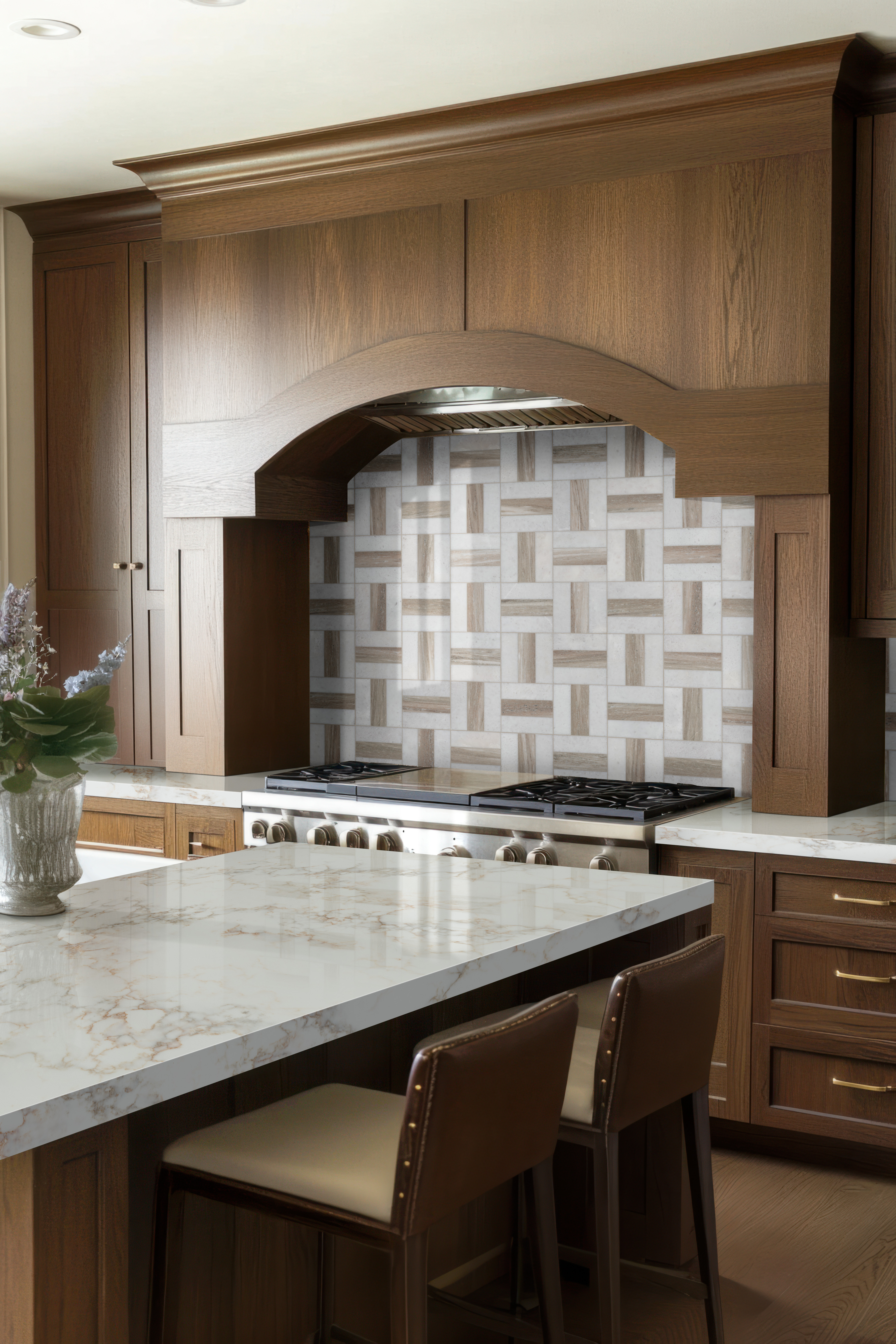
Kitchen quartz countertops allow designers to be ambitious. Long uninterrupted islands, dramatic waterfall edges, bookmatched veining spanning a whole backsplash—the structural consistency of quartz makes these signature kitchen moments possible, without the chipping risk of natural stone. And day-to-day care is simple; most messes can be wiped clean with nothing more than a soft cloth and warm water.
Bathroom and Vanity Spaces
Quartz is the gold standard in high moisture environments. It can be steamed and washed time and again and will not absorb moisture or harbor mold and mildew. It's also impervious to the chemicals found in many soaps, perfumes and cosmetics that can often etch or dull the surface of natural marble.
Commercial and High-Traffic Areas
In offices, hotels and retail spaces, quartz has the stamina for heavy use. MSI quartz is consistent in color from slab to slab. Therefore, if you're undertaking large scale installations and desire a consistent, upscale look from room to room, MSI is the best choice.
Are Quartz Countertops Worth the Investment?
Quartz is durable and saves you money in the long run. Quartz offers a lifetime of value by removing the recurring cost of professional sealing and the possibility of permanent damage to the stone. Keeps looking new for decades. It’s a sure bet for those who care about long-term quality, durability and timeless style.
Quartz Countertop Styles for Your Space
As you’re thinking about design options, try out our Visualizer to see how quartz countertops will look in your kitchen or bathroom. Explore our comprehensive selection of quartz countertops to discover styles that fit your design and performance requirements.
Ready to learn how quartz countertops can make your next project better? Chat with us online for expert guidance, visit an MSI showroom to see samples in person, or find quality quartz surfaces from local retailers.
Frequently Asked Questions
What are the main disadvantages of quartz?
Quartz is extremely durable but can chip if it is hit hard enough by heavy objects, especially on the edges. The initial cost is also higher than budget materials (like laminate or tile). But for most homeowners, the cost is offset by the fact that the surface never needs the expense of professional sealing or restoration.
What are the main benefits of quartz countertops?
The main benefits are the design predictability and the ease of care. Quartz provides a consistent pattern that will remain consistent throughout your entire install. It is a lifetime “set it and forget it” surface that requires no special treatments to last a lifetime.
Is quartz durable enough for a busy kitchen?
Absolutely. Quartz is made specifically for high-use areas. The most dependable option for families who cook and entertain often, it resists scratches, chips and stains. It’s designed to take the day-to-day strain of a modern working home.
Will quartz stain?
The surface is entirely non-porous and will not absorb any liquids. Dark substances, like red wine, turmeric or oils, can leave a mark if left to dry, but the “stain” is on the surface rather than soaked in. These are usually easily removed with plain soap and water.
How much heat can quartz endure?
Most quartz surfaces can withstand temperatures up to 300 degrees Fahrenheit. Touching a warm plate for a second is usually ok, but always use trivets or hot pads for pots, pans or air fryers. This prevents thermal shock and breakdown of the resin binders in the slab.
Is quartz better than granite?
What material is “better” depends on how it fits into your lifestyle. If you’re after a maintenance-free surface with a predictable contemporary look then quartz is the better choice. Granite is perfect for those who love the natural variety of nature and need higher heat resistance but need to be willing to commit to regular sealing.
Does quartz add value to a house?
Yes. Quartz is a premium feature that is on the minds of today's homebuyers. They call it luxury grade, but low-maintenance, and it always gives you a good return of investment (ROI) when you sell your house.
Can quartz countertops crack?
Quartz is one of the toughest materials around but too much force, or sudden “thermal shock” from intense heat, can cause it to crack. The best way to ensure your slab is structurally sound for the life of that home is with professional fabrication and installation expertise.
How long do quartz countertops last?
Quartz is a permanent finish, and if installed correctly can last decades. It is designed to retain its original color and luster without fading, so it’s one of the most sustainable and durable picks for your home improvement.
 SHARE
SHARE
 PIN
PIN
 TWEET
TWEET