Polished Vs Matte Porcelain Tile: Which Is Better For High-Traffic Areas?
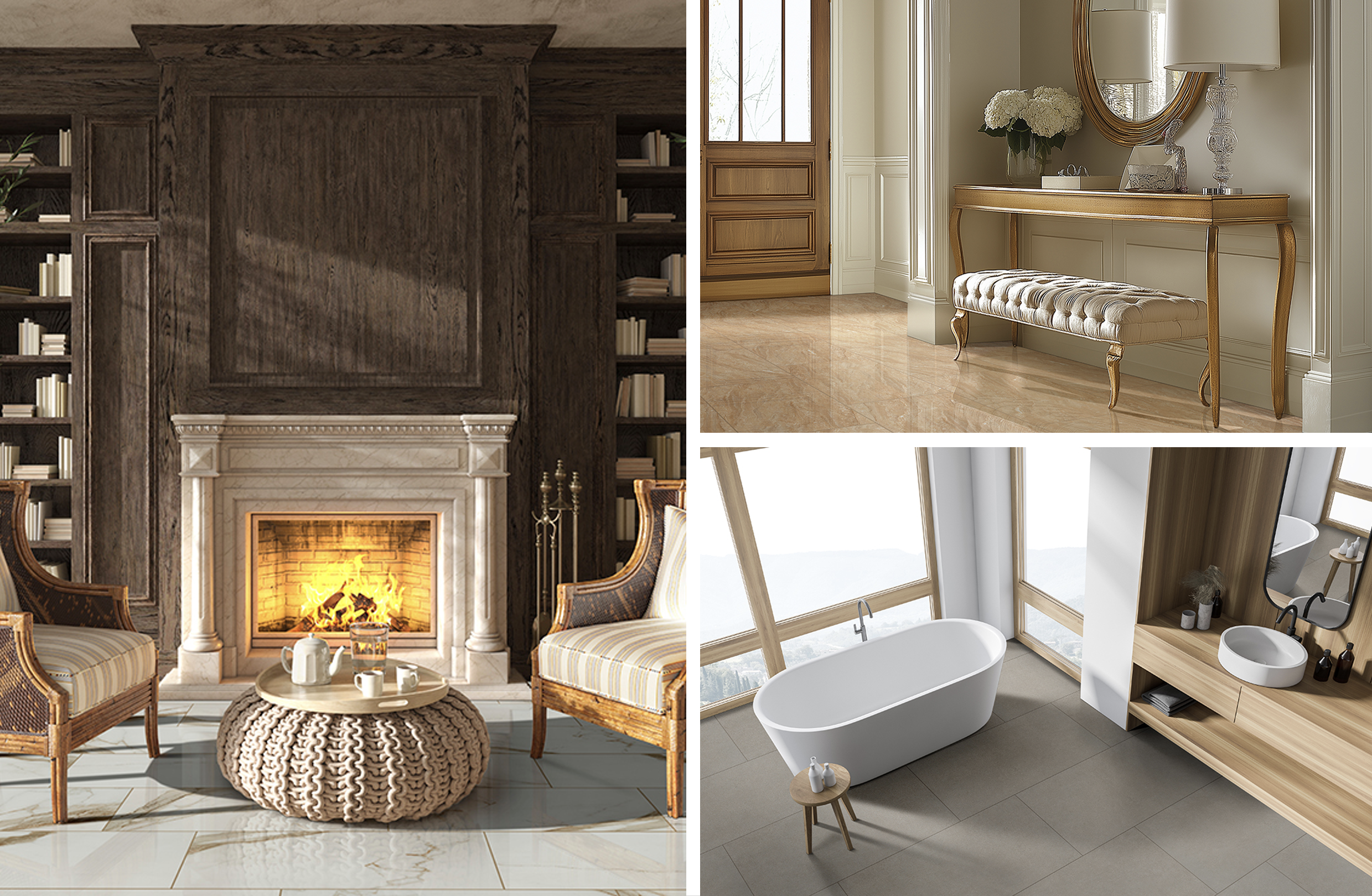
Choosing between porcelain vs matte porcelain tile is a crucial decision, especially when considering design aesthetics and how it will perform long-term in high traffic commercial porcelain tile settings. Polished porcelain tile features a high-gloss, reflective surface that can help boost natural light and provide a more sophisticated atmosphere, whilst matte porcelain tile has a more subtle, low-sheen finish that’s generally more practical for busy floors that see a lot of foot activity.
Make the optimal polished vs matte porcelain tile decision for retail spaces, hospitality venues, office buildings, multifamily properties, and public-use areas. MSI offers a wide variety of polished and matte porcelain tile options in a variety of finishes that make it easy for trade professionals to find the perfect mix of design vision with durability considerations and the performance needs of a specific project.
Matte vs Polished Porcelain Tile
In general, matte porcelain tile is a superior choice for flooring applications that are subject to heavy foot traffic or moisture since it has less brightness, covers footprints better, and, depending on the texture of the surface and slip-resistance rating, can give better grip. Polished porcelain tile is appropriate for locations where sparkle, reflection and richness are more essential than utility.
The kind of finishes on your porcelain tiles will greatly affect cleaning requirements, safety performance and esthetic upkeep expectations. Knowing these basic distinctions before you specify can go a long way toward meeting business objectives.
What Is the Difference Between Matte and Polished Porcelain Tile?
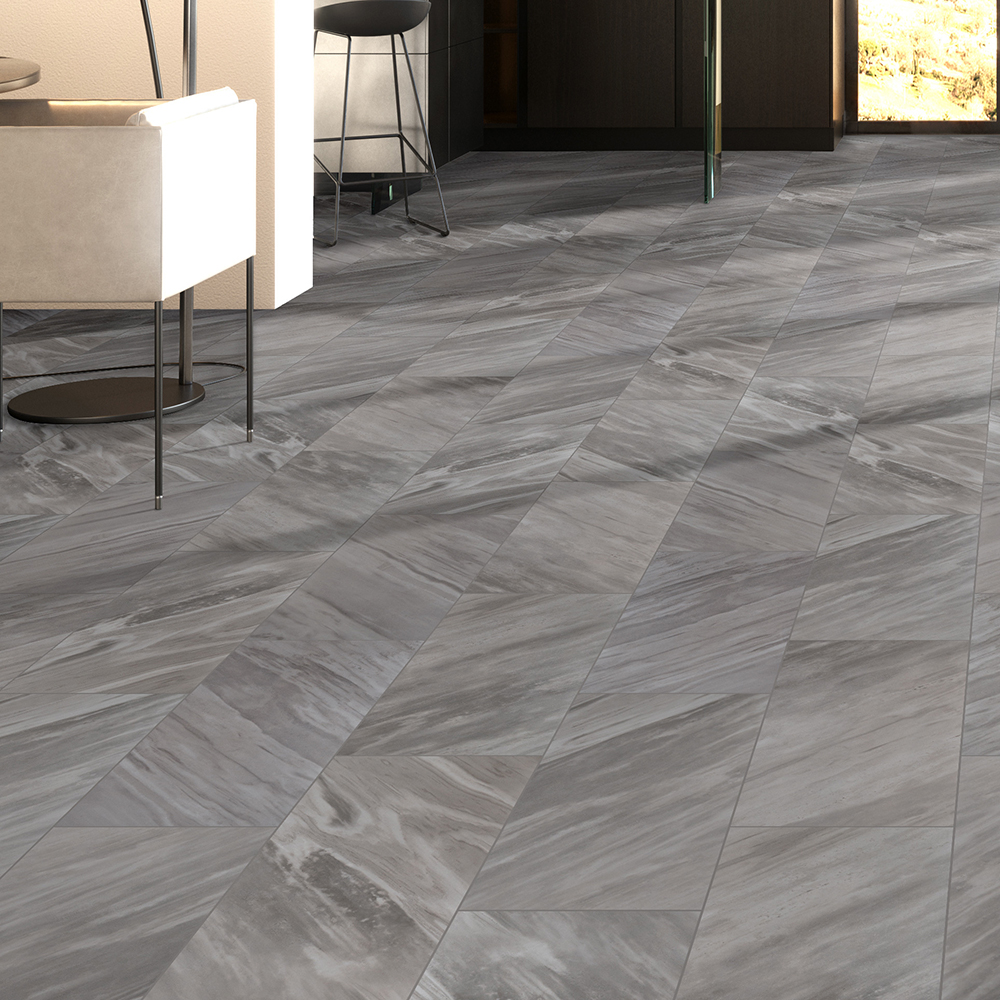
The difference lies in the finish of the surface after it has been burned. The polished porcelain is ground and buffed to a glassy mirror-like finish. Matte porcelain has a more flat, low-sheen surface with some additional roughness. This one stage of production depends on the balance of the process, the grip underfoot, the glare, the visibility of footprints and streaks, and how much cleaning each finish requires.
Matte Porcelain Tile
Matte porcelain tile is a practical choice for floors, bathrooms, kitchens, commercial interiors and any situation where the requirements are glare reduction, traction and simplifying visual maintenance. It’s a coating that helps alleviate eye strain in bright situations and masks the typical wear and tear of heavy traffic installations.
Matte porcelain floor tiles are ideal for heavy foot traffic areas in retail establishments, hospitality corridors and common areas in multifamily buildings that demand durability and easy maintenance. The basic style is consistent with today’s design trends, but it also comes with functional benefits that property managers adore during construction lifecycles. They do a wonderful job masking minor scratches, dust build-up and normal traffic patterns that would be rather visible on a normal surface.
Many matte finish porcelain floor tiles are somewhat textured to help resist slipping without compromising cleanability. Matte floor tile is less likely to get dirty and stained and keeps cleaner for longer between professional cleanings, saving building operators money on upkeep.
Polished Porcelain Tile
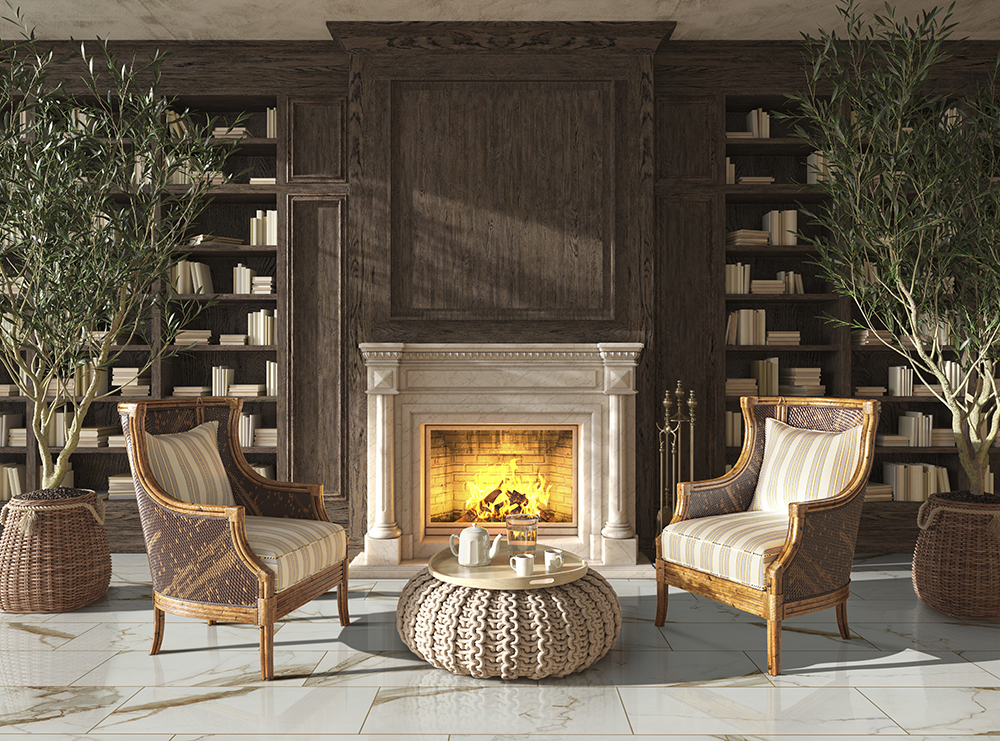
Polished porcelain tile lends itself to lobbies, feature walls, luxury bathrooms, reception areas and low moisture interior areas, where gloss and visual impact are crucial design objectives, to create a bright, upmarket look. These porcelain tiles have a high gloss surface that reflects natural and artificial light, making homes seem larger and more opulent and creating dramatic centerpieces that turn ordinary rooms into show-stopping presentations.
High gloss porcelain tile is perfect for high end shop displays, hotel lobbies and executive office locations where the reflecting surface is in keeping with the overall design scheme. However, the slip resistance & visibility of maintenance of these polished porcelain floor tiles need to be considered in commercial environment. On the finish, water marks, cleaning solution and even dust are immediately evident.
What is the best porcelain tile for high traffic areas?
In wear patterns, everyday care in high traffic areas, the finish choice is easily obvious. Here, matte porcelain is more durable, because the texture helps to hide dust and footprints, and gives better traction for shoes. Here is a comparison of each finish on the aspects that matter most when choosing excellent porcelain tile for high usage areas.
| Performance Factor | Matte Porcelain Tile | Polished Porcelain Tile |
|---|---|---|
| High Foot Traffic | Strong choice | Good with proper rating |
| Slip Resistance | Often better, depending on texture | Can be slippery when wet |
| Glare Control | Better | More reflective |
| Footprint Visibility | Hides better | Shows more easily |
| Luxury Appearance | Subtle and modern | Bright and upscale |
| Maintenance Visibility | Hides dust better | Shows streaks and smudges |
| Typical Wet DCOF Range | ≥ 0.42 to ≥ 0.60+ (Highly slip-resistant) | < 0.42 (Slippery when wet; lower friction) |
Slip Resistance and Safety Concerns
Glossy surfaces can be a slip hazard when wet, particularly compared to a matte or textured one. Their DCOF (Dynamic Coefficient of Friction) ratings should be carefully scrutinized before specifying commercial flooring, bathrooms, entry, hallways, restaurants, and public spaces in an effort to help prevent occupant safety and liability issues.
But polish isn’t the only factor in the safety performance of porcelain floor tile. In the smooth tile category, individual items may have adequate slip resistance from tiny surface changes not readily apparent to the casual viewer. Texture changes can make a huge impact in slip resistance, especially in matte surfaces. This can make the rating go up to 0.60 or better. The difference in slip resistance ratings can be substantial, even with a matte surface – from 0.42 to 0.60 and more, which is why learning about the Different Grades Of Porcelain Tile is so vital.
With building rules requiring minimum DCOF ratings for commercial installations, it’s critical to specify properly for project clearance. The coefficient measurement is the amount of force required to slide an object across the surface. The higher the number, the better the wet traction .
Do not expect a particular style of finish to give safety performance for important applications . Always look for particular certifications on the product.
Maintenance of Matte and Polished Porcelain Tile
The cleaning requirements and the cosmetic maintenance of different porcelain tile coatings vary widely. Textured matte finishes may require a little more washing to get debris out of the surface variations but matte surfaces may hide dust, smudges and footprints better.
Polished surfaces are easier to wipe, but are more likely to display streaks, damp marks, footprints and cleaning residue. The maintenance comparison of matte vs polished porcelain tiles shows that the two finishes need different care routines to stay beautiful and useful.
With equal traffic, polished vs. matte installations have a standard increase in frequency of daily maintenance of 25-30%. The difference isn’t a true performance difference in terms of soil resistance or cleanability, but rather a by-product of the enhanced visibility of surface soil on reflecting coatings. Maintaining the appearance of high gloss porcelain tile is no small task and professional cleaning companies often charge a premium for this service using specific techniques and equipment to ensure streak free results.
How to Clean Matte Porcelain Tiles
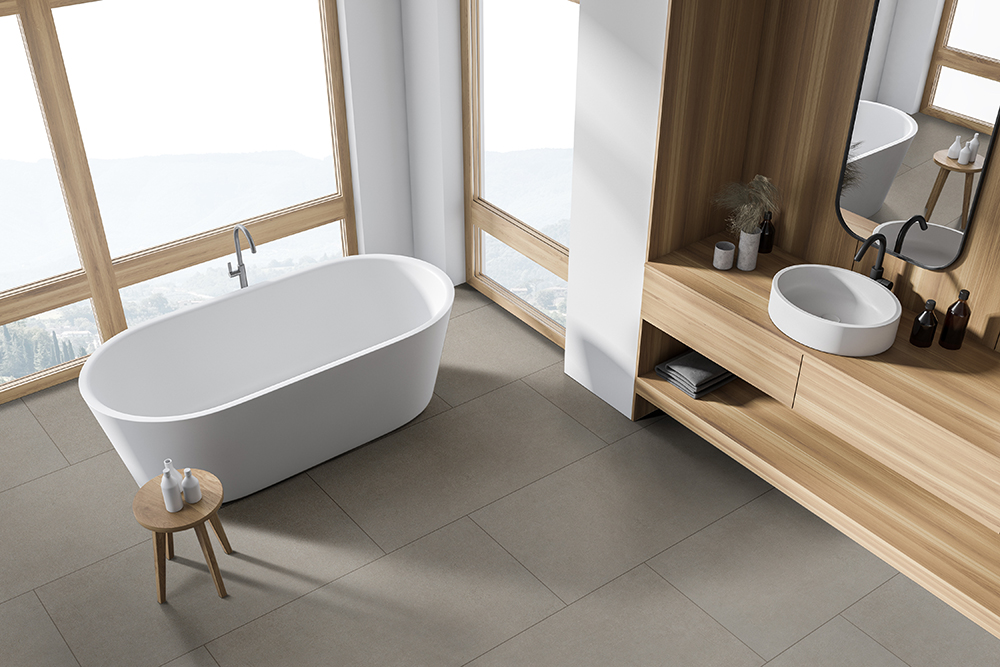
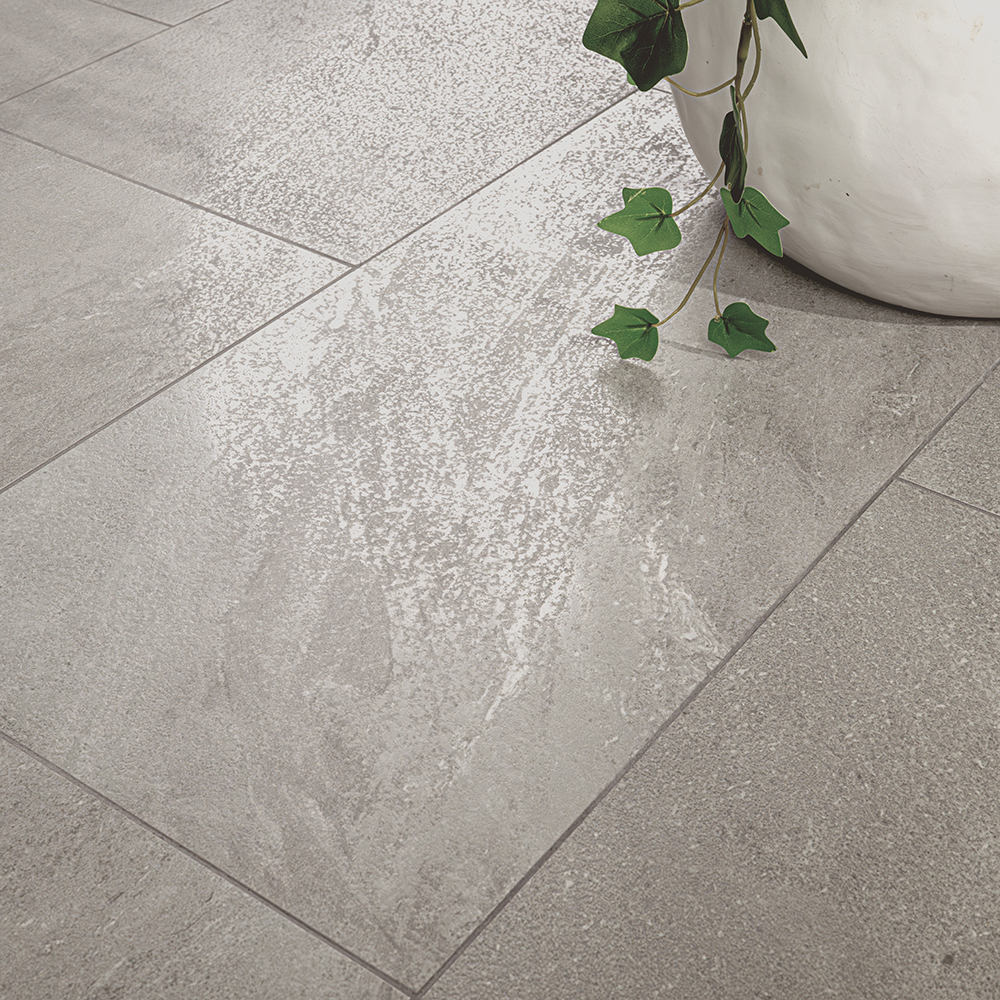
Cementique Silver Arterra® Pavers
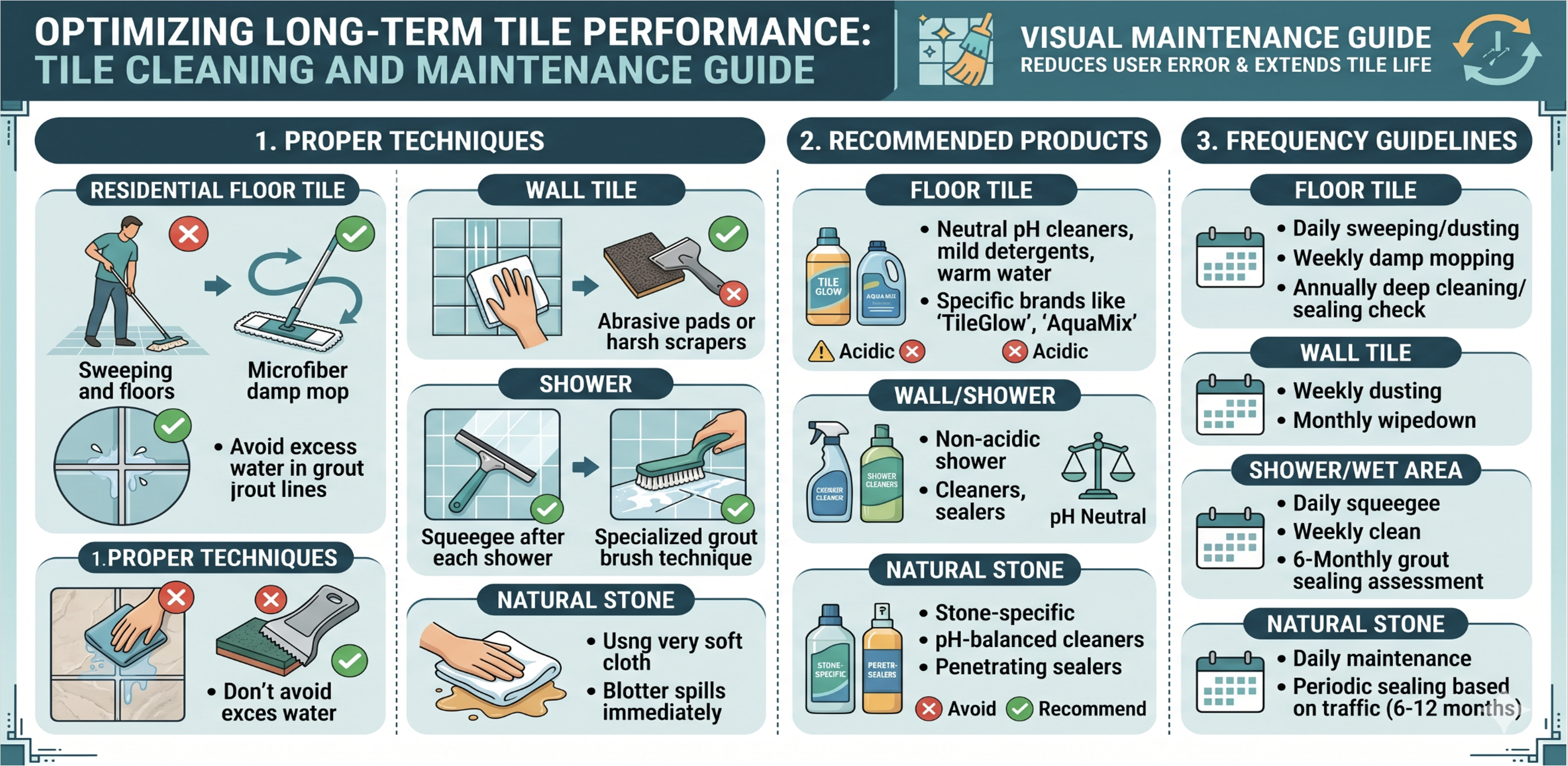
Routine care is accomplished by regular sweeping or vacuuming, use a neutral pH cleaning followed by a good rinse to prevent buildup of residue. The secret to well cleaning the matte porcelain tiles is the texture of the surface, the deeper the texture more labor it takes to remove embedded dirt from the surface of the matte floor tile with a gently scrubbing movement.
Do not use abrasive tools or acidic cleaner, as this can harm the polish over time. Microfiber mops work well for normal cleaning, but soft bristle brushes may be needed for a more thorough cleaning to reach uneven areas where soil may build up. Weekly deep cleaning. Use a suitable commercial grade neutral cleaner to protect the appearance and to remove soil build-up that may impact traction.
How to Clean Polished Porcelain Tiles
To keep the reflective surface at its best, utilize non-abrasive cleaning agents, neutral cleaners and streak-free drying procedures. Avoid using aggressive chemicals and abrasive pads, which can permanently damage the mirror finish of the polished tile floor.
Promptly cleaning up spills can help prevent discoloration and keep the shine that is characteristic of these installations, and will also make it much easier to clean stains from porcelain tile flooring. High traffic areas can be regularly buffed with clean microfiber cloths to help restore shine, as foot activity will slowly reduce reflectivity and develop wear patterns.
Matte vs Polished Porcelain Tile Pros and Cons
| Finish | Pros | Cons | Best Use |
|---|---|---|---|
| Matte Porcelain Tile | Lower glare, hides footprints, practical for traffic, often better traction | Textured surfaces may need deeper cleaning | Commercial floors, bathrooms, kitchens, corridors, multifamily |
| Polished Porcelain Tile | Bright, reflective, luxury look, easy to wipe | Can show smudges and may be slippery when wet | Feature walls, lobbies, luxury bathrooms, reception areas |
Matte porcelain tile pros and cons: matte porcelain tile does a great job hiding wear patterns and daily soiling. They lessen glare and eye strain in bright light and don’t need to be cleaned as often to look excellent. However, they can lose the dramatic visual impression sought in exhibition situations and textured surfaces can trap soil, requiring a thorough cleaning.
Polished porcelain tile pros and cons: The light reflection makes the room open and luxurious, increasing the firm image. It’s dry, smooth, easy to clean and may be used to make beautiful focus pieces. However, the additional slip hazard when wet calls for careful specification and the surface instantly displays fingerprints, water marks and cleaning streaks and requires more regular maintenance.
Best Commercial Space Finish by Type
| Space Type | Recommended Finish | Why | Recommended Minimum DCOF (ANSI A326.3) |
|---|---|---|---|
| Retail Floors | Matte or textured | Better for traffic and visual maintenance | ≥ 0.42 Wet (Interior Wet classification) |
| Hotel Lobbies | Matte or polished based on slip rating | Balances safety and luxury design | ≥ 0.42 Dry (if kept dry); ≥ 0.42 Wet (near entryways) |
| Hospitality Corridors | Matte | Better for frequent traffic and cleaning | ≥ 0.42 Wet (Interior Wet) |
| Office Entries | Matte or polished based on moisture exposure | Depends on design and safety needs | ≥ 0.42 Wet (accounts for tracked-in rain/snow) |
| Multifamily Common Areas | Matte | Practical for traffic and turnover | ≥ 0.42 Wet (Interior Wet) |
| Bathrooms | Matte floors, polished walls | Better floor traction and wall reflectivity | Floors: ≥ 0.42 Wet (up to ≥ 0.50 Wet for commercial showers); Walls: N/A |
| Feature Walls | Polished | Strong visual impact and light reflection | N/A (vertical surfaces are exempt from DCOF) |
| Commercial Kitchens | Matte/textured | Better practicality and slip resistance | ≥ 0.60 Wet (Oils/Grease classification) |
Depending on traffic patterns, exposure to moisture, safety standards and design needs, different corporate environments will need certain porcelain tile surfaces.
Retail Environments: In retail environments, a matte finish is usually preferable where customers are present to disguise wear patterns and to allow comfortable footing during busy shopping times. Matte porcelain tiles, slip resistant, work well for high traffic aisles and checkout areas.
Hospitality Applications A combination of methods is frequently the best option – matte for hallways and service areas, glossy porcelain tile for feature walls and low-traffic accent places. You can utilize glossy porcelain in lobby areas selectively and still have matte floor tile in circulation corridors.
Office Buildings - Matte floor tile is used in work rooms in professional settings with reflective surfaces used in reception and conference spaces to add visual flair. Matte porcelain floor tiles are generally a fantastic choice for patient care areas where slip resistance and ease of cleaning are more important than aesthetics.
MSI’s porcelain tile offerings provide designers and specifiers the opportunity to select the perfect finishes, forms and appearances for various spaces of commercial projects.
Many of these same places also use wood look porcelain tile to bring warmth into lobbies and corridors without losing the resilience a commercial floor demands.
Checklist for Commercial Tile Finishes Before Specifying
For more information on how to evaluate and document these requirements, our Commercial Tile Specification Guide takes you through the complete process of specifying commercial porcelain tile, from substrate preparation to slip rating.
Use this full checklist to examine finish requirements for commercial projects and choose between polished vs matte porcelain tiles correctly:
Key Performance Factors:
- Traffic level expectations: minimal foot traffic vs 500+ persons per day
- Patterns of moisture exposure in regular activities
- Required DCOF slip-resistance rating for local code compliance
- Availability of Building Management Staff, Cleaning Frequency, and Methods
- Lighting conditions and glare effects on occupants’ comfort
Technical Specification Requirements:
- Minimum slide resistance in accordance with commercial building codes
- Warranty conditions, performance guarantees
- Requirements of the installation substrate and climatic conditions
- Cleaning protocols, including chemical resistance needs
Is matte porcelain tile difficult to clean? A normal cleaning with neutral chemicals is usually enough, while textured surfaces may require more attention to dislodge entrenched soil.
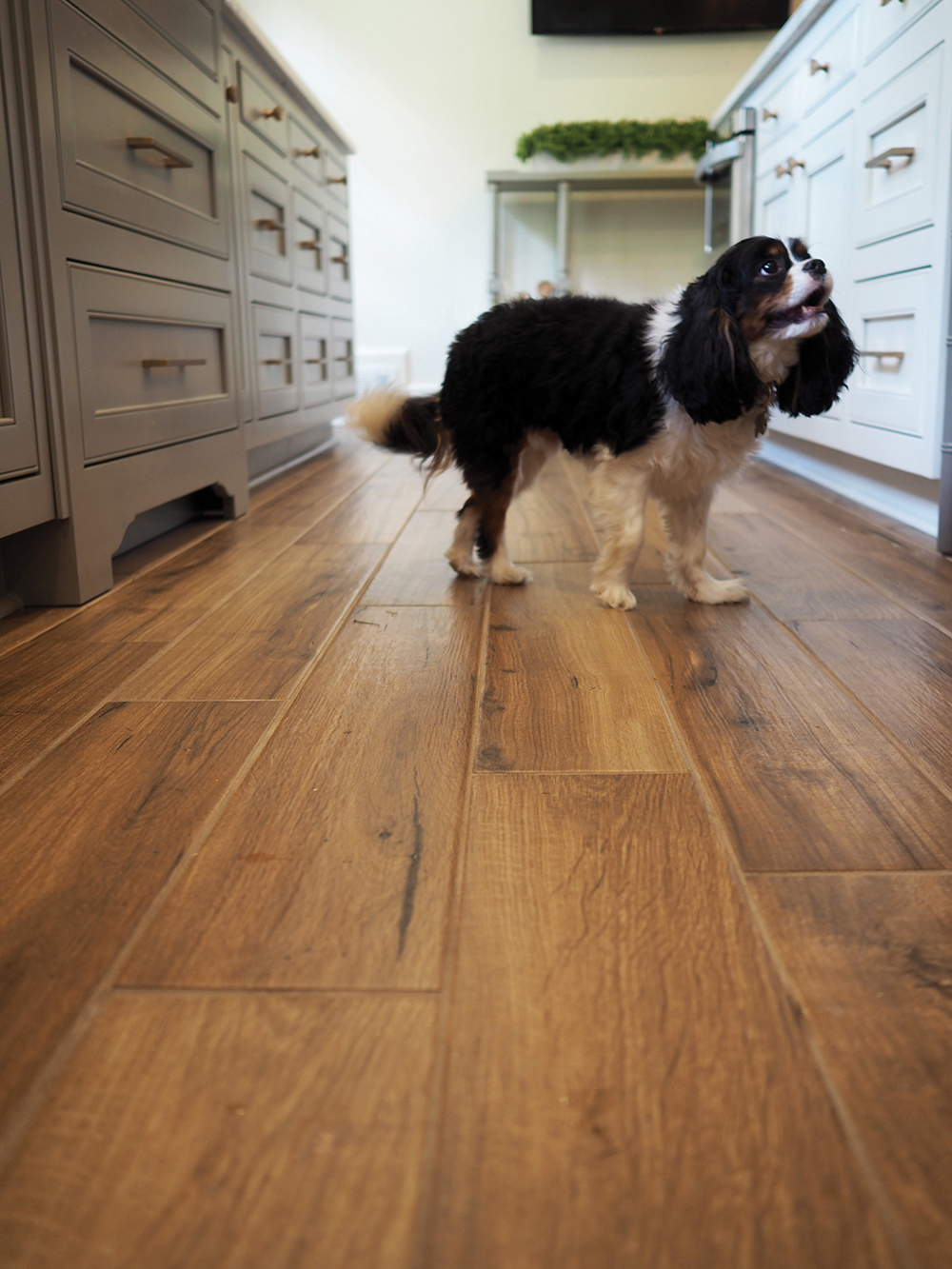
Palmetto Cognac Wood Look Tile
Pick the Right Finish for Your Project
If you are deciding between polished and matte porcelain tile, you need to balance the creative objective with the actual performance requirements of porcelain tile in high-traffic areas. In these locations, both looks and performance are the key to long term project success. The decision impacts the first appearance, operational costs, code compliance, and tenant happiness over the life of the facility.
Our finishes provide a range of solutions for even the most demanding commercial projects where durability and attractiveness are as essential to the long term success.
Looking to finish for your next business project? Chat with us online for expert information on porcelain tile treatments, visit MSI showroom locations to see these collections firsthand, or contact local vendors for recommendations on expert installation.
Frequently Asked Questions
Polished vs Matte Porcelain Tile: Which is Better for High-Traffic Areas?
Matte porcelain tile is typically a better choice for high-traffic flooring or flooring exposed to dampness because it’ll disguise damage and provide better slide resistance. For premium settings where reflection and visual impact are to be considered, polished porcelain tiles are an excellent choice.
What Is the difference Between Matte and Polished Porcelain Tile?
Surface characteristics depend on the method of manufacture. The polished tiles are ground and buffed once again. The primary difference between matte and polished porcelain tile is how they reflect light, how slip-resistant they are, and how much maintenance you want on view.
What Is Its Performance Under Heavy Traffic? Which Finish Is The Best?
Matte porcelain tile is often a preferable choice for commercial flooring in high activity areas, particularly where moisture exposure or slip resistance are issues in specification considerations. Mattes respond well to basic care and neutral cleansers.
Which is better, polished or matte porcelain tile?
Matte porcelain tiles are frequently a better choice for busy traffic areas or wet regions, but polished porcelain tiles perform well in bright, affluent spaces. It’s contingent upon the needs of the specific project and performance priorities.
Is polished porcelain tile slippery?
The finished surface of porcelain tiles can be slippery when wet, especially compared to matte or textured surfaces. The DCOF slip-resistance rating is always confirmed on the actual product prior to specifying for commercial floors or wet areas.
Is matte porcelain tile hard to clean?
Matte porcelain tiles can be cleaned with regular sweeping and neutral cleanser. Textured matte surfaces might need a bit more TLC as the imperfections on the surface might retain dirt.
What's the optimum finish for commercial tile flooring?
Matte or textured porcelain tile is a good choice for commercial flooring. It gives better grip, less glare and is easier to track visually in high traffic places where safety and longevity are critical.
 SHARE
SHARE
 PIN
PIN
 TWEET
TWEET