Best Flooring Options For Radiant Heating Systems
Key Takeaways
- Porcelain tile and natural stone are the most efficient options for radiant heating due to their high thermal conductivity and superior heat retention properties.
- Dimensional stability is a critical performance factor, as materials must withstand temperature fluctuations without warping, shifting, or gapping over time.
- Modern flooring innovations such as hybrid rigid core and engineered wood offer the aesthetic of natural hardwood while maintaining compatibility with underfloor heating systems.
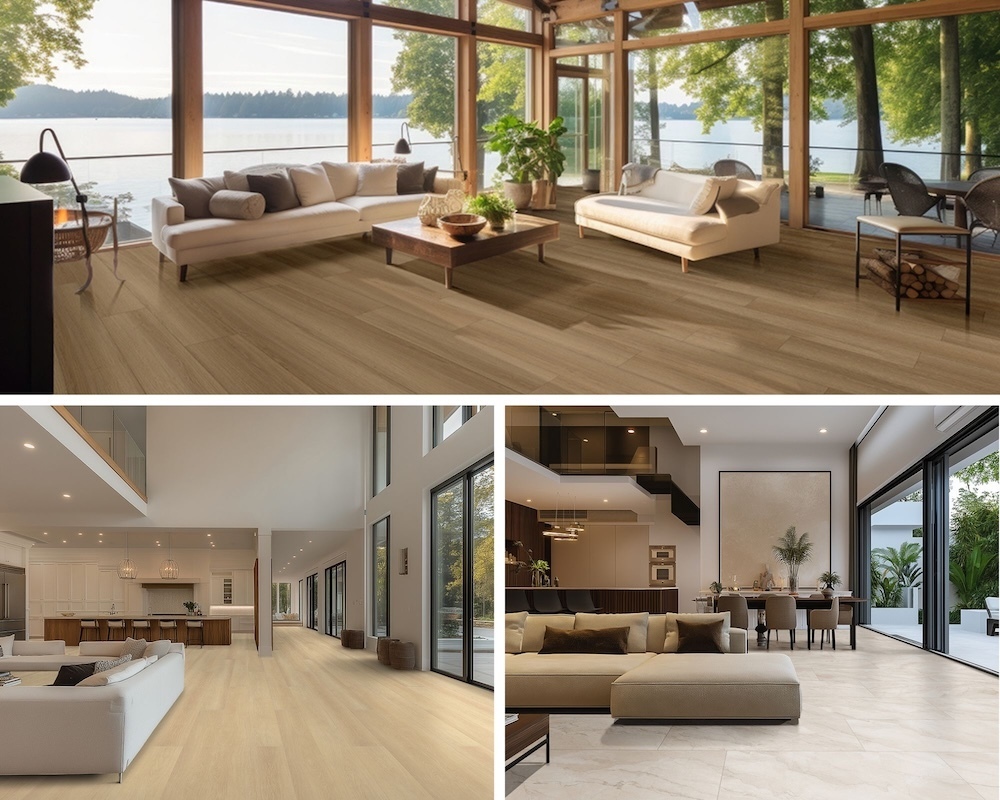
Radiant heating systems continue to rise in popularity among homeowners and designers who seek luxurious, evenly distributed warmth underfoot. Unlike traditional forced-air systems, radiant heating provides a quiet, energy-efficient solution that heats a space from the ground up. To fully enjoy the benefits of this innovative system, it's essential to select the right tile flooring or wood-look surface that can handle and enhance radiant heat performance. Here, we'll explore how different flooring types perform in terms of heat transfer, dimensional stability, and underfoot comfort.
Key Factors for Radiant Heating Compatibility
When integrating flooring or wall tile with radiant heating, two performance factors are particularly important: thermal conductivity and dimensional stability. Flooring with high thermal conductivity transfers heat more efficiently, allowing the system to warm a room faster and use less energy. Meanwhile, materials must also remain dimensionally stable to prevent warping or shifting due to fluctuating temperatures.
Underlayments can also affect performance. Some flooring options require specialized underlayment to optimize heat transfer or provide a vapor barrier for moisture control. Additionally, the type of flooring plays a role in overall comfort and energy efficiency, influencing how heat feels and how evenly it's distributed across a room.
Porcelain Tile: Durable Style with Versatile Appeal
One of the top-performing surfaces for radiant heating systems is porcelain tile. Known for its excellent heat conductivity, porcelain quickly absorbs and radiates warmth, making it both energy-efficient and highly responsive. It is incredibly stable under changing temperatures and won’t expand or contract, which is crucial for long-term durability.
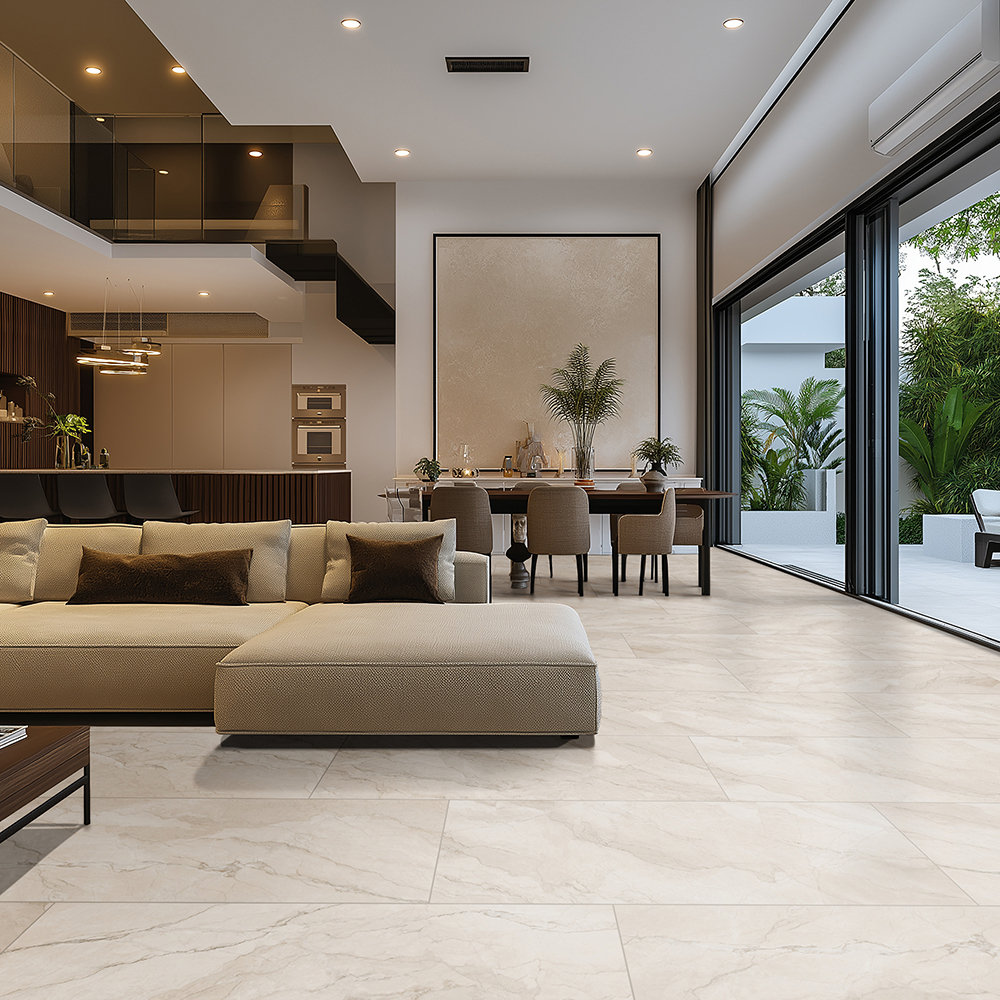 Camuflage Matte Porcelain Tile
This flooring type is also celebrated for its resistance to warping and its low maintenance needs. Whether installed on floors or as wall tile in bathrooms, kitchens, or basements, porcelain tile offers a refined look that complements radiant heating technology seamlessly. Available in an expansive range of styles, finishes, and sizes, porcelain floor tiles allow homeowners and designers to achieve both performance and aesthetic goals.
Waterproof Wood Flooring: Classic Aesthetics Meets Modern Durability
For homeowners who desire the authentic appearance of wood but need a surface that stands up to everyday life, waterproof wood flooring options are an exceptional solution. These planks are designed with advanced core technology and a fully waterproof construction that helps resist moisture, spills, and environmental changes—making them well-suited for radiant heating systems.
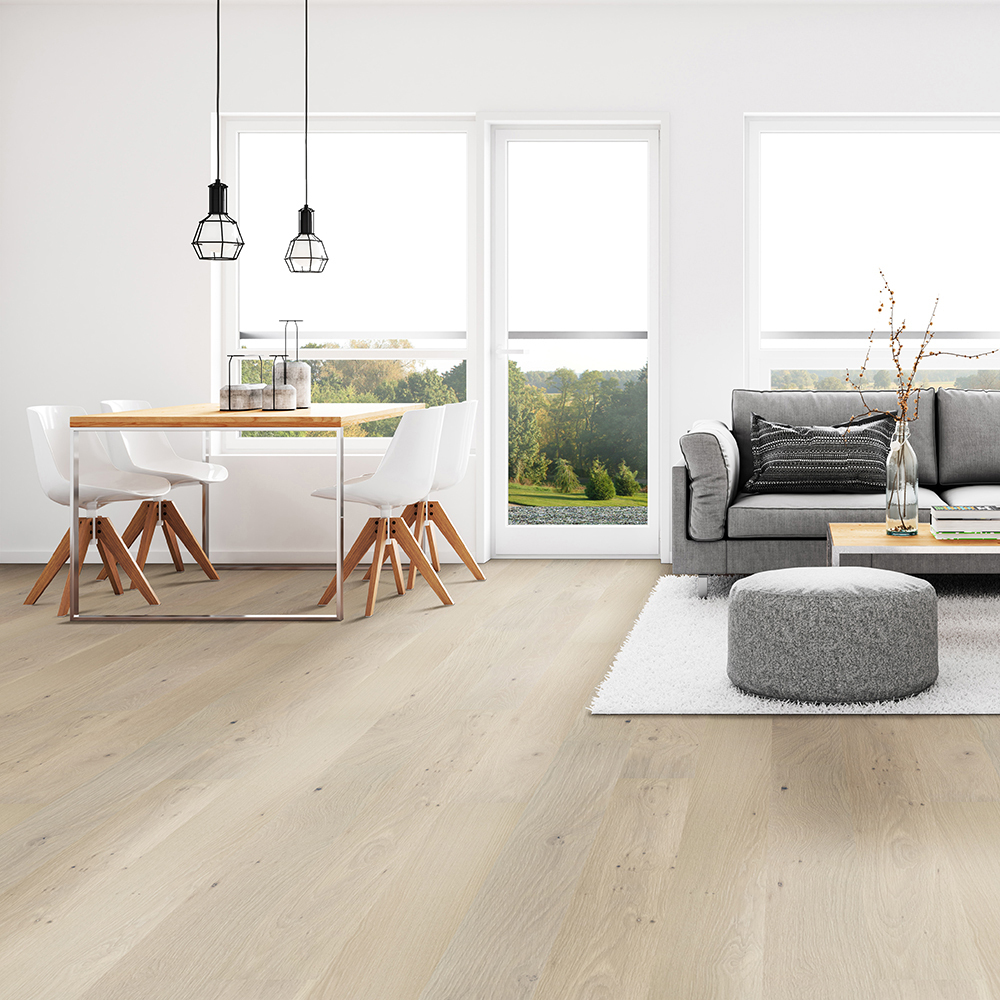 Woodhills® Aaron Blonde® Wood Flooring Oak
This flooring is crafted to mimic the natural grain and tone variations of traditional hardwood while offering greater resilience in moisture-prone areas. Ideal for kitchens, bathrooms, basements, mudrooms, and even laundry rooms, the MSI Woodhills waterproof wood flooring collection offers both beauty and practicality. Its enhanced stability ensures compatibility with underfloor heating, and its wear-resistant surface helps maintain a like-new look over time.
Natural Stone: Organic Beauty with Everyday Strength
Few flooring materials pair with radiant heating systems as beautifully as natural stone. Known for its superior heat retention, natural stone stores warmth longer than many other materials, keeping rooms cozy even after the system cycles off. It performs exceptionally well in high-traffic areas like entryways, living rooms, and open-concept kitchens.
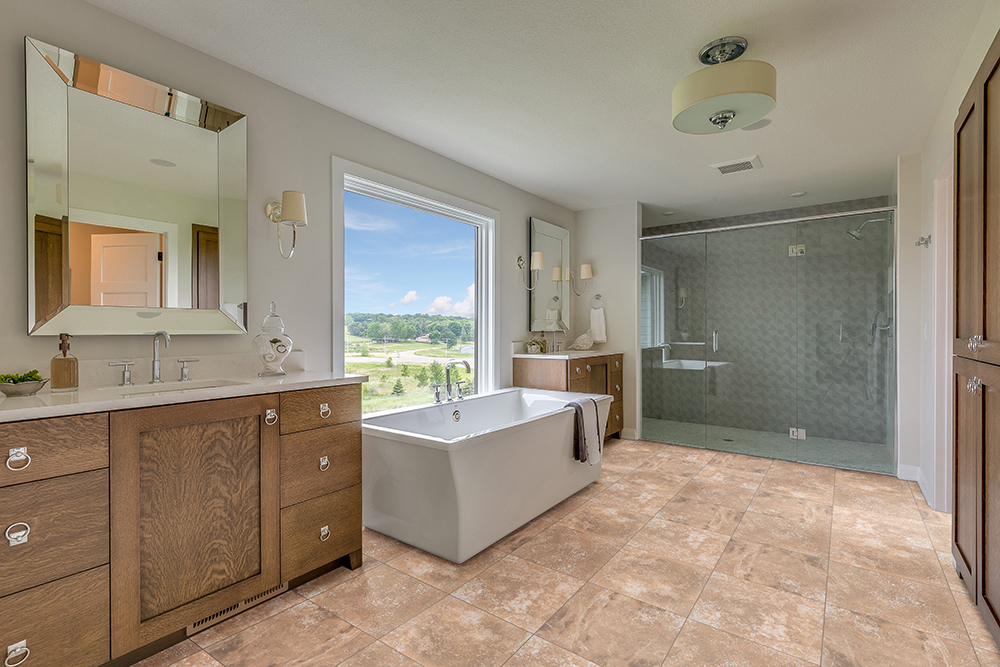
Its natural density and durability make it highly resistant to temperature-related damage, offering long-term performance and elegance. From marble and travertine to slate and granite, natural stone options bring an organic, luxurious touch to interiors, whether used on floors or as wall tile. Each stone is uniquely veined and colored, enhancing design flexibility while maintaining compatibility with radiant heating systems.
Engineered Wood: Timeless Character with Reliable Performance
For those who prefer the warmth and character of wood, engineered wood offers a radiant heat-friendly alternative to traditional hardwood. Its layered construction makes it more dimensionally stable, minimizing the risk of warping or gapping due to heat exposure.
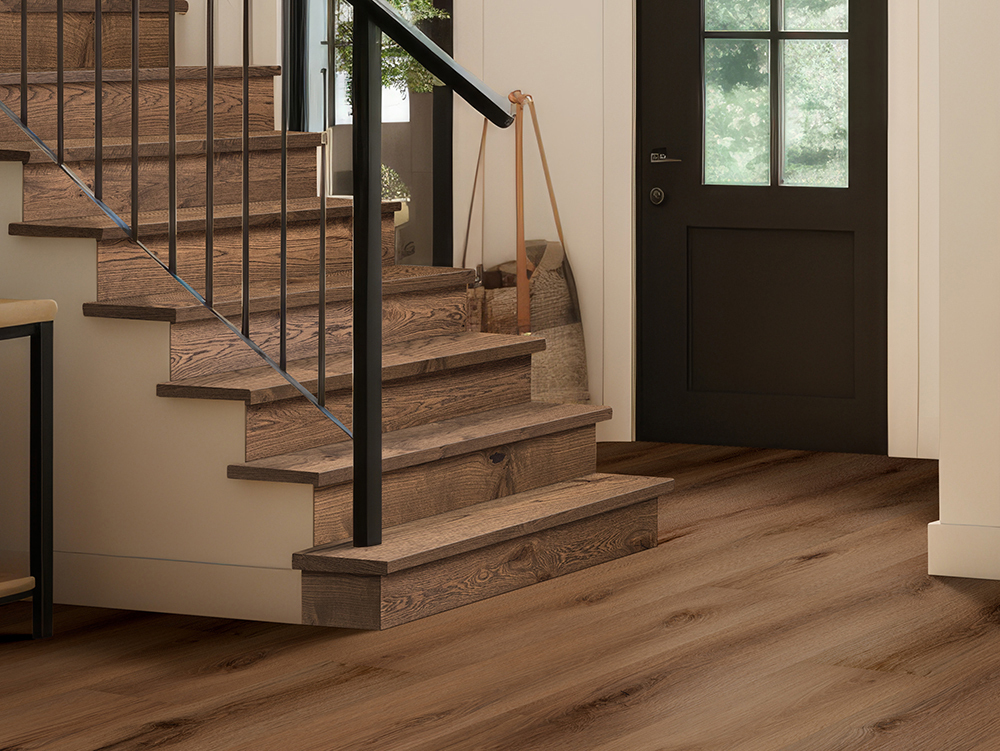 Kelmore Dunova Engineered Hardwood Flooring
Engineered wood brings a natural aesthetic that’s ideal for bedrooms, dining areas, and family rooms. It offers a warm feel underfoot even without heating, and when paired with radiant systems, it enhances comfort while preserving a classic design appeal. Compatible with many underfloor heating systems, engineered wood flooring allows for elegance without sacrificing performance.
Luxury Vinyl: Practical Performance Meets Modern Design
Modern luxury vinyl flooring collections deliver both function and style, and they work well with many radiant heat systems. These floors are crafted to be flexible and moisture-resistant, making them a practical choice for kitchens, basements, and bathrooms.
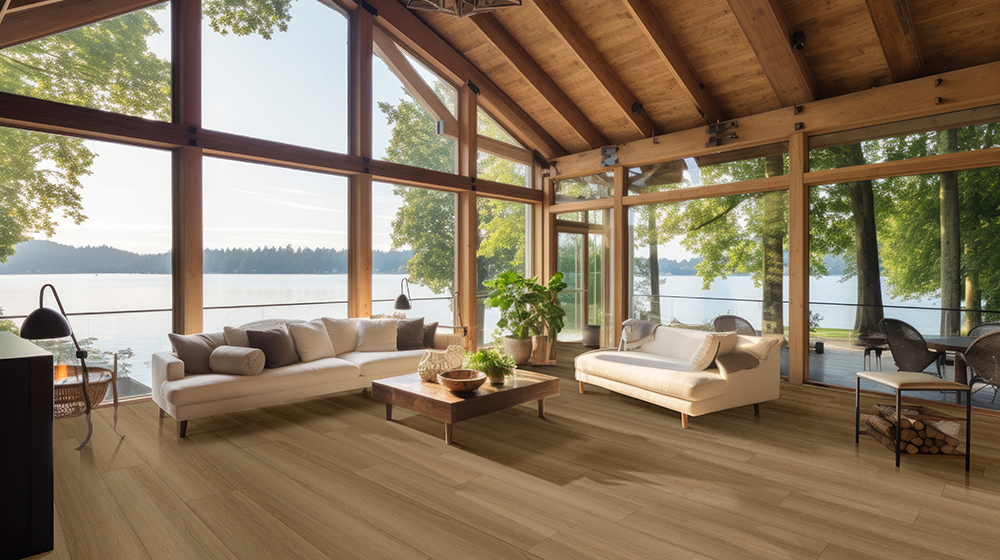 Laurel Reserve Cabana Luxury Vinyl Planks
Luxury vinyl flooring with a CrystaLux Ultra™ Protection Layer adds an extra shield against everyday wear while retaining thermal responsiveness. It is softer underfoot than tile or stone, offering an added comfort bonus in spaces like bedrooms and playrooms. Easy to install and maintain, luxury vinyl flooring continues to be a top contender for radiant heat applications where comfort and durability are key.
Hybrid Rigid Core: Enhanced Strength for Busy Spaces
Combining the best features of luxury vinyl and engineered core technology, hybrid rigid core flooring provides outstanding performance with radiant heat. Known for its dimensional stability and resistance to heat-related expansion, this flooring type excels in temperature-variable environments.
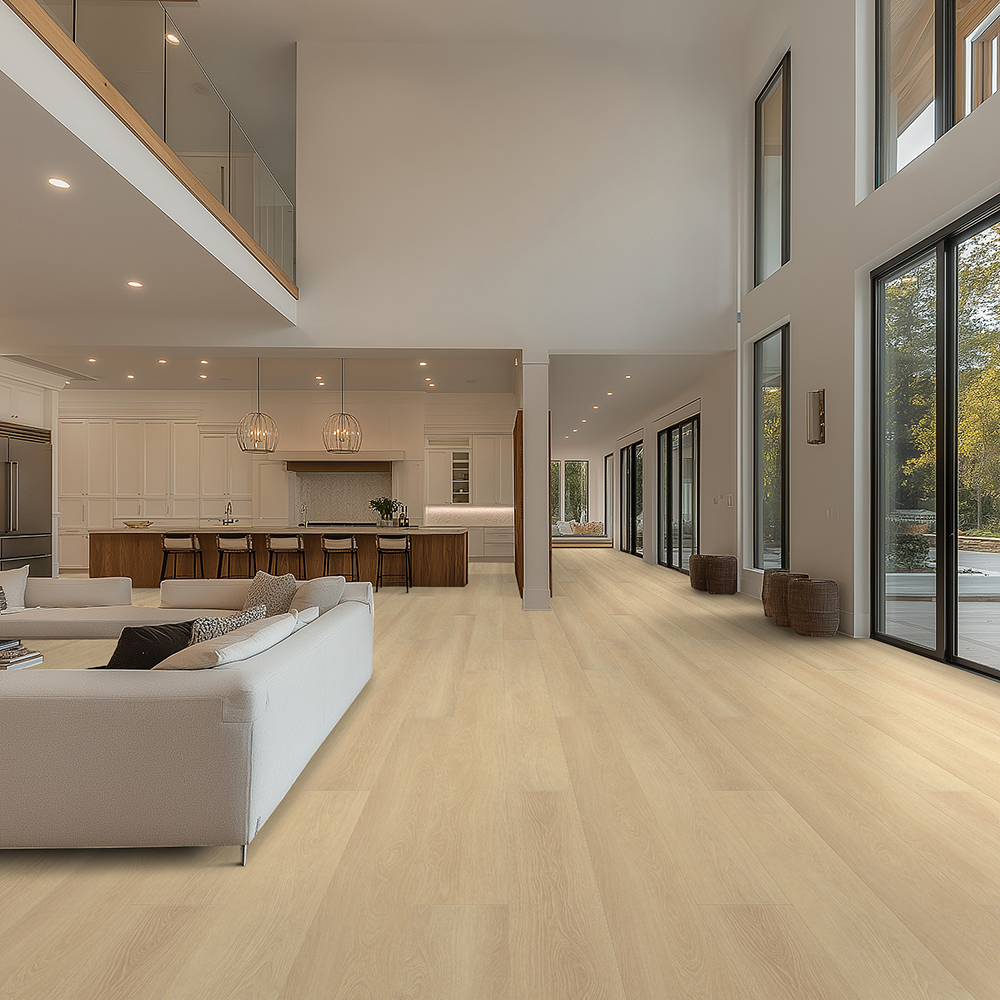 Shorecliffs™ Houston Trail Hybrid Rigid Core Flooring
Collections such as the Smithcliffs™ and Shorecliffs™ collections from MSI feature waterproof construction with advanced rigid cores and are reinforced with the CrystaLux Ultra™ Protection Layer. These surfaces deliver dependable heat transfer and water protection, making them ideal for bathrooms, mudrooms, and kitchens. Hybrid rigid core flooring brings together comfort, resilience, and design flexibility in a single solution.
Final Thoughts on Radiant Heating and Flooring
Choosing the right flooring for radiant heating ensures that the system functions efficiently while enhancing comfort and style. Each tile and flooring option featured here offers unique benefits in terms of heat compatibility, comfort, and durability.
MSI carries all of these flooring types, offering a wide range of styles and finishes to suit any room and radiant heating system. Our experts can help you determine the best fit for your home’s specific needs, combining performance, beauty, and long-term value. If you're looking to install or upgrade radiant heating in your home, selecting a flooring option that complements this technology is essential. MSI offers an extensive range of surfaces engineered to meet these needs. Visit an MSI showroom to explore our full collection of wood look and tile flooring nearby to find the perfect surface for your radiant heat system.
FAQs
Q1: What is the best type of flooring for radiant heat efficiency?
A: Porcelain tile is widely considered the best option because it conducts heat quickly and remains dimensionally stable, allowing for rapid room warming and high energy efficiency.
Q2: Can you install wood-look flooring over radiant heating systems?
A: Yes, engineered wood, waterproof wood, and hybrid rigid core flooring are specifically designed to handle temperature changes, providing a wood aesthetic without the warping risks of solid hardwood.
Q3: Does natural stone stay warm after radiant heating is turned off?
A: Yes, natural stone has excellent thermal mass, which allows it to store and gradually release heat, keeping the room comfortable even after the heating cycle has ended.
Q4: Is luxury vinyl flooring safe to use with underfloor heating?
A: Most modern luxury vinyl flooring is compatible with radiant heat, offering a moisture-resistant and flexible surface that provides a softer feel underfoot compared to tile or stone.
 SHARE
SHARE
 PIN
PIN
 TWEET
TWEET