
It may be used over any wood and cement floor that is structurally sound and dry. In new home construction where plywood is used as a sub floor, it is suggested that an underlayment or backer board needs to be attached to the sub floor to insure rigidity where slate floors will be installed.
Setting
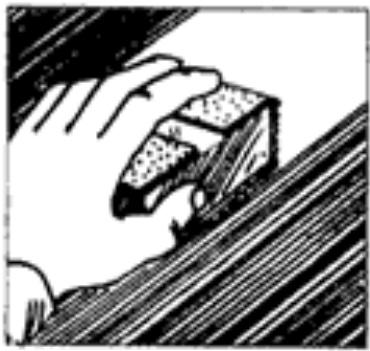
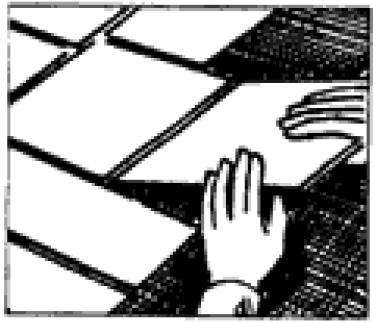
Natural cleft slates have a thickness variation. Spread a good amount of thinset on the floor to make up for any thickness variation. Adding or taking away thinset will ensure all the tiles are evenly set.
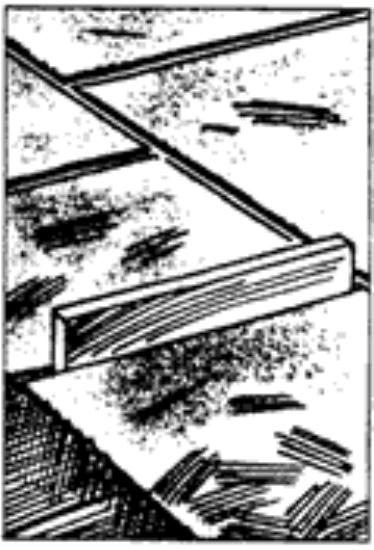
6. After all slate is set in place – allow at least 24–36 hours depending on weather conditions, for drying before grouting joints.
Grouting and Cleaning
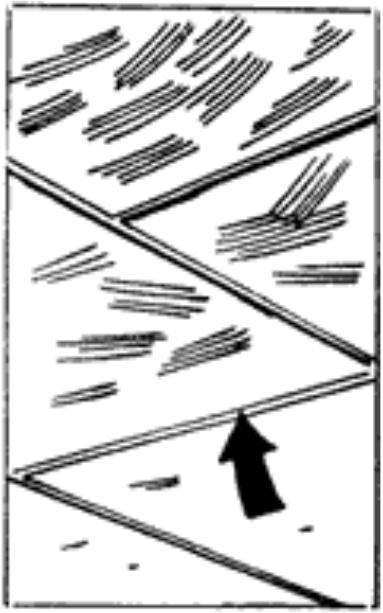
2. Add water slowly while mixing to get the texture of damp sand grout mix according to the manufacturer’s specs, and apply with grout float to press grout deeply between the joints. Mix enough grout to be used in about 30 minutes or difficulty will result in hardening in the pail.
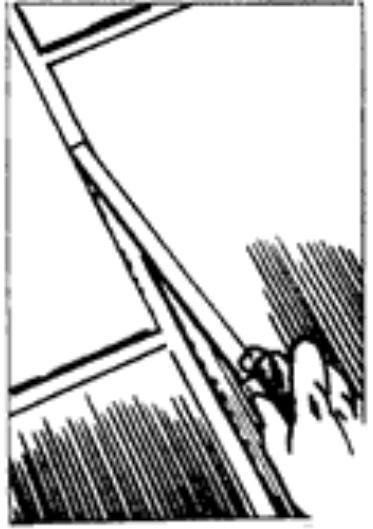
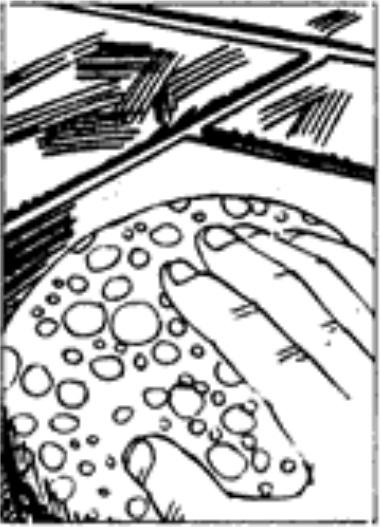
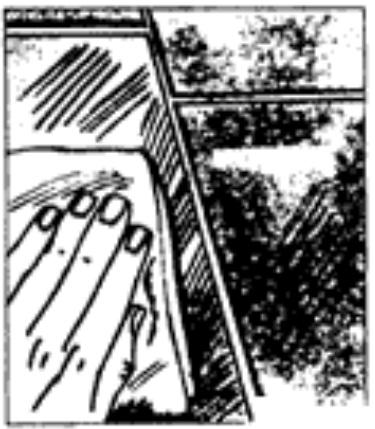
6. Let joints harden for three days.
7. Wash floor completely again by freely applying fresh clean water with sponge on the entire floor and sponging dry.
Finishing
Applying clear sealer or enhancer is recommended after installation to seal the slate tiles and the grout lines using the same sealer used as a grout release prior to grouting, wipe all excess sealer so there is no fogging.
Use the same sealer used as grout release prior to grouting, to seal the floor, apply the 2nd coat on the tiles and grout,wipe of all excess sealer so there is no fogging.
Sealing slate is necessary, it is a matter of choice, whether you choose to retain the natural beauty of the slate or apply a chemical sealer that is available in a shiny or matte finish. Sealers may be purchased at retail stone dealers.
Helpful Hints: Do not apply a sealer over wet, waxed or oiled slate.
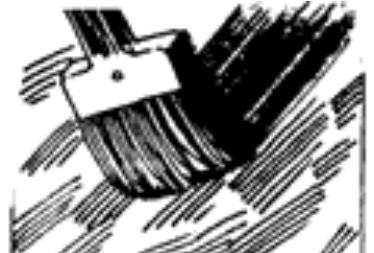
Sealer or enhancer will dry to the touch within two hours, however it is advisable to stay off the floor for 24 hours.